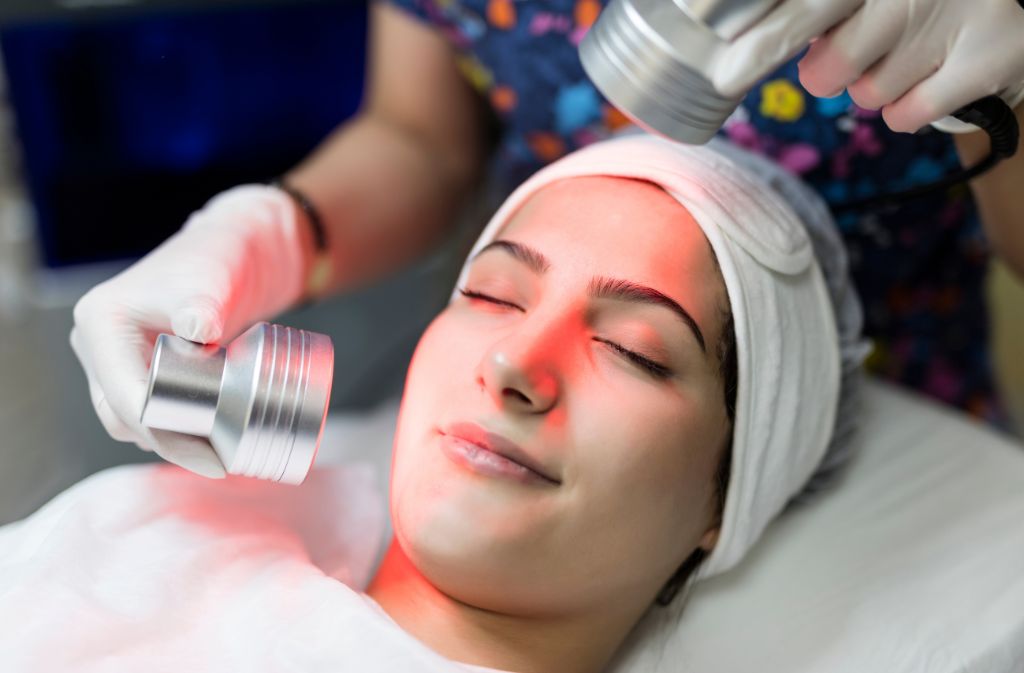
Red light therapy has become one of the most talked-about additions to modern skincare, and for good reason. Unlike treatments that rely on harsh exfoliation or aggressive ingredients, red light works by delivering specific wavelengths of light that support natural cellular activity. Researchers continue to study its long-term potential, yet current evidence already points to meaningful benefits for many people looking to improve their skin. Understanding where red light therapy fits into a complete routine helps set realistic expectations while encouraging healthier habits that support lasting results.
Understanding How Red Light Products Support Healthier Skin
The growing popularity of red light skincare products reflects a shift toward technology that complements traditional skincare instead of replacing it. These devices typically emit wavelengths between 630 and 850 nanometers, allowing light to penetrate beneath the skin’s surface without causing the damage associated with ultraviolet exposure.
Scientists believe this process encourages mitochondria, often described as the cell’s energy producers, to generate more usable energy. With improved cellular function, the skin may repair itself more efficiently while supporting collagen and elastin production. Those structural proteins help maintain firmness, smoothness, and elasticity over time.
Consistency matters far more than intensity. Most manufacturers recommend several short sessions each week rather than occasional lengthy treatments. Results usually develop gradually over several weeks because the skin requires time to rebuild collagen and complete its natural renewal cycle. While red light therapy is not a replacement for sunscreen or a healthy skincare routine, it can become a valuable addition when used alongside proven protective habits.
Why Patience Produces Better Results Than Chasing Instant Changes
One reason some people become disappointed with red light therapy is that expectations often exceed reality. Marketing can create the impression that dramatic improvements happen overnight, but healthy skin rarely responds that quickly to any treatment.
Visible improvements usually begin with subtle changes. Skin may appear slightly brighter, redness may become less noticeable, and overall texture may feel smoother before larger differences develop. Collagen remodeling is a gradual biological process, so meaningful improvements in fine lines or firmness generally require weeks or months of regular use.
Daily habits influence results just as much as the device itself. Adequate sleep, balanced nutrition, hydration, sun protection, and avoiding excessive smoking all affect how efficiently skin repairs itself. Someone who pairs red light therapy with healthy lifestyle choices is more likely to notice steady improvement than someone relying on light therapy alone.
Pairing Treatment With Moisturizers for Better Skin Support
While light therapy works beneath the skin’s surface, topical skincare still plays an important supporting role. Choosing the best moisturizers helps strengthen the skin barrier while reducing moisture loss, creating an environment that supports recovery after each treatment session.
Moisturizers containing ceramides, glycerin, hyaluronic acid, or squalane help replenish hydration without overwhelming the skin. Individuals with sensitive complexions may benefit from fragrance-free formulas that minimize unnecessary irritation, especially when introducing new devices into their routine.
Applying moisturizer after a red light session allows freshly hydrated skin to retain moisture more effectively. This pairing also helps address dryness that can result from environmental conditions rather than the therapy itself. Although no moisturizer can replace collagen production, maintaining a healthy barrier allows skin to function more efficiently throughout its natural repair process.
Who May Benefit Most From Red Light Therapy
Research continues to expand, but current evidence suggests several groups may experience noticeable improvements with regular treatment. Individuals concerned about mild signs of aging often seek red light therapy because of its potential to support collagen production and improve overall skin texture.
Others use it to reduce the appearance of lingering redness after blemishes or to encourage a more even-looking complexion. Since the treatment does not rely on abrasion or chemical exfoliation, many users find it comfortable enough to include several times each week.
That said, red light therapy is not appropriate for every situation. Certain medical conditions, photosensitive medications, or underlying skin disorders may require guidance from a healthcare professional before beginning treatment. Following manufacturer instructions and wearing eye protection when recommended also helps ensure safe use.
Building A Routine That Supports Healthy Skin Every Day
Skincare trends constantly evolve, yet the most successful routines usually rely on consistency rather than constant experimentation. Red light therapy fits naturally into that philosophy because it rewards regular use instead of occasional bursts of effort.
Morning sunscreen remains one of the most valuable investments anyone can make for maintaining healthy skin. Evening routines focused on cleansing, moisturizing, and scheduled red light sessions provide additional support without becoming overwhelming. Keeping the routine manageable increases the likelihood of maintaining it for months rather than abandoning it after a few weeks.
The strongest skincare routine is one that works with your lifestyle, protects your skin every day, and builds gradual improvements over time. Red light therapy may not deliver instant perfection, but used consistently alongside proven skincare habits, it offers another promising tool for supporting healthier, more resilient skin.
For more, visit Pure Magazine