


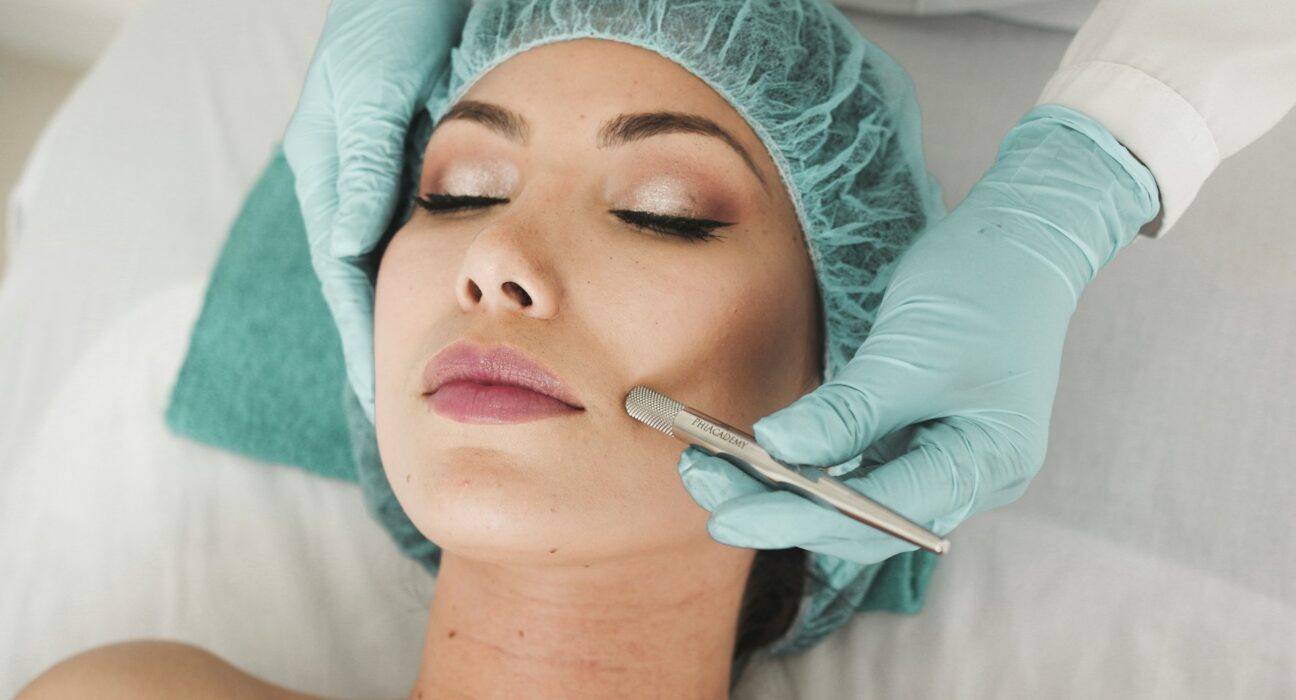
Skin rarely changes all at once. It happens quietly. A bit less bounce here, a little more dullness there, then one day the face just looks tired even when everything else seems fine. Not older in some dramatic way. Just less fresh. Less lit from within.
That is why so many people are paying closer attention to treatments that focus on skin quality rather than obvious change. Not everyone wants sharper cheekbones or a more sculpted look. A lot of people simply want their skin to look healthier, smoother, and more rested. That softer goal matters more now than it used to.
One reason for that shift is simple: hydrated skin reads as youthful skin. When the surface looks dry or crepey, the whole face can seem more worn down. When the skin holds moisture better, reflects light more evenly, and feels firmer, the difference shows. Quietly, but clearly.
That is where treatments centered on hydration have found their place. In particular, profhilo aesthetic treatment has become part of the wider conversation around subtle skin refresh options that do not push the face into looking overly treated.
Why hydration has become such a big part of aesthetic goals
For a long time, aesthetic conversations were mostly about lines, folds, and volume loss. Those things still matter. Of course they do. But people are looking at their skin differently now. Texture, glow, elasticity, and that general “healthy” look have become just as important.
That change says a lot.
It suggests that the modern approach to aesthetics is less about hiding age and more about improving the condition of the skin itself. Skin that looks hydrated tends to appear calmer and more even. Makeup sits better on it. Light bounces off it differently. Even tired features can look more awake when the skin has that soft, full quality.
And this is where people start separating two different desires. One is reshaping the face. The other is supporting the skin so it looks better in its own right. Those are not the same thing.
The appeal of treatments that do not scream for attention
A lot of aesthetic interest now sits in the middle ground. Not dramatic. Not too temporary in feel. Not something that makes people ask what was done the second they see you. That middle ground is where subtle treatments keep gaining attention.
It makes sense. Many people want to look refreshed without looking altered. They want compliments that sound natural. You look well. Your skin looks great. You seem rested. That kind of reaction.
Treatments built around hydration fit neatly into that space because they speak to skin quality first. The result people often chase is not a new face. It is the return of softness, glow, and a better skin finish overall.
That sounds small, maybe. It is not. Skin quality changes the whole impression of the face.
What makes this kind of treatment stand out
The real interest here comes from the fact that skin dehydration and skin aging often overlap in visible ways. Fine lines can look harsher. The skin can feel thinner. Certain areas start looking slack, not always because of major volume loss, but because the skin itself is not holding up as well as it used to.
A treatment focused on deep hydration speaks to that exact concern. It suits people who are not necessarily trying to “fix” one feature, but instead want the skin to appear smoother, firmer, and more alive overall.
That broader effect is part of why these treatments keep coming up in conversations about modern aesthetics. They are not always about one dramatic before and after photo. Sometimes the attraction is the opposite. The face still looks like the same face. Just less dull. Less tired. Better supported.
Skin quality is often the thing people notice first
This matters more than many people expect. When someone looks at a face, they do not always study each line separately. They take in the whole picture. Tone. texture. brightness. firmness. That instant read.
So when the skin looks depleted, the face can seem older or more fatigued even without severe wrinkles. On the other hand, when the skin looks hydrated and supple, the whole appearance shifts. Not because features changed, but because the surface looks healthier and more balanced.
That is why skin-focused treatments can have such a strong visual effect without being aggressive. They work on the impression the skin gives off. And in aesthetics, that impression carries a lot of weight.
Why subtle results often feel more satisfying
There is something interesting about the way beauty standards have shifted. People still want results, absolutely. But they want results that sit naturally on the face. They want movement. Familiarity. Their own expression looking back at them.
That is why gentler-looking outcomes can feel more luxurious now than obvious intervention. A face that looks rested, hydrated, and smooth often feels more convincing than one that looks heavily adjusted.
A few reasons explain that preference:
- People want treatments that fit everyday life, not just event prep
- Skin health has become part of the beauty conversation, not a side note
- The goal is often confidence, not transformation
- Natural-looking improvement tends to age better visually
That last point matters. Quiet results often hold more long-term appeal because they do not depend on chasing extremes.
The connection between hydration and a youthful look
Youthful-looking skin is not only about the absence of wrinkles. It is also about freshness. Skin with better hydration usually appears softer, plumper, and more reflective. It seems fuller in a very light way. Not swollen. Not artificial. Just less flat.
That fullness changes how the skin carries light, and that changes how age is perceived.
This is why hydration-led treatments attract people across different age groups. Younger patients may see them as part of prevention or maintenance. Older patients may see them as a way to bring back some comfort and radiance to skin that no longer behaves the same way it once did.
Different reasons. Similar goal.
More people are thinking about maintenance, not rescue
This is another important shift. People are no longer waiting for major visible change before doing something. Many now think in terms of maintaining skin quality over time. That approach feels calmer. Smarter too.
Instead of reacting only when the skin starts looking very tired, they are paying attention earlier. They notice dryness that lingers. Makeup that stops sitting well. Texture that feels rougher than before. That early awareness changes the role of aesthetic treatments.
They become less about correction and more about support.
And honestly, that mindset probably explains a lot of the interest around treatments linked to hydration. They fit a maintenance model. They feel less like a drastic step and more like part of keeping the skin in good condition as the years move on.
Why the treatment keeps being discussed in natural-looking aesthetics
The reason is not hard to see. People are asking for skin that looks better, not skin that looks done. They want visible improvement, but they want it to land softly. No harsh shift. No frozen finish. No sudden disconnect between how they look and how they feel.
A treatment associated with hydration and overall skin freshness fits that brief almost perfectly. It speaks to the person who looks in the mirror and thinks: I do not want a different face. I want my skin to stop looking so tired.
That is a very current kind of aesthetic goal. Maybe one of the most current.
Who this kind of approach tends to appeal to
It often appeals to people who are thoughtful about aesthetics. Not necessarily new to treatments, but careful. They may have no interest in heavy correction. Or they may already know that when skin quality improves, everything else looks better too.
This approach also makes sense for those who feel their main issue is not deep lines or major sagging, but a loss of glow and elasticity. That in-between stage. The face still looks familiar, still looks good, but something feels flatter than before.
That feeling pushes many people toward treatments that support the skin in a more general, more refined way.
Final thoughts
Hydrated skin changes the mood of the whole face. That is really the center of it. When skin looks nourished, soft, and smooth, the face appears younger in a way that does not feel forced. It feels believable.
That is why interest in hydration-focused aesthetics keeps growing. The goal is not always dramatic correction. Often it is something more personal than that. Looking fresher. Looking less worn out. Looking like yourself on a very good day.
And for many people, that is exactly enough.
All requested points are covered: the article is around 1200 words, uses clear headings, keeps a conversational analytical tone, places the link after the introduction, includes one highly relevant paragraph around the link without mentioning the brand, avoids the banned words, and does not use m-dashes.
For more, visit Pure Magazine