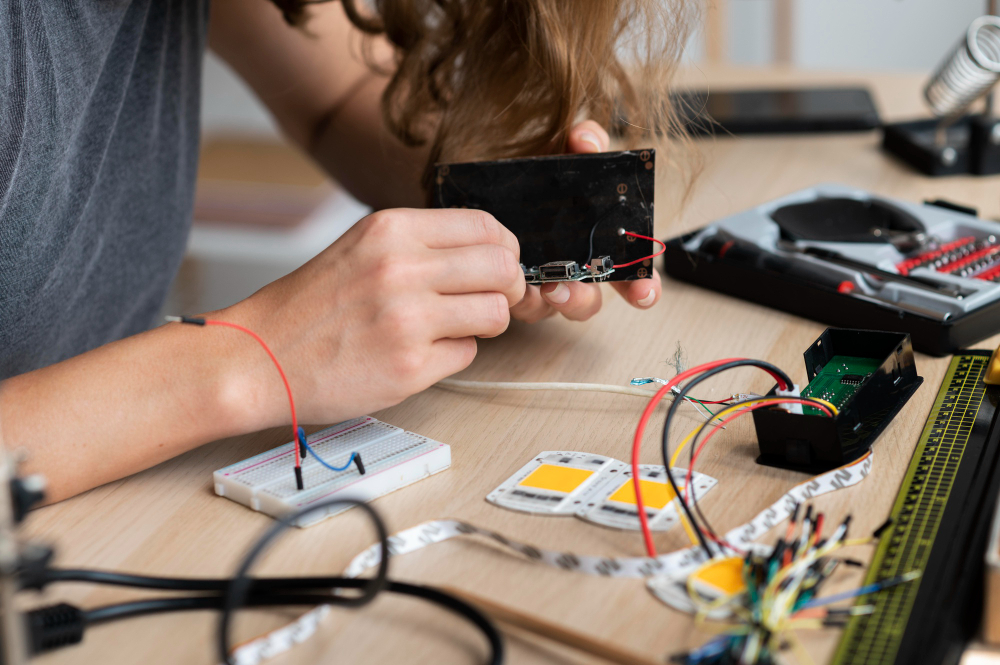
Electronics world, things have changed a lot. It’s not enough for a product to simply “work.” People expect more now. They want devices that last. Something that keeps performing the same way after months… even years.
And honestly, that expectation makes sense.
Nobody wants to buy a device that starts acting up after a short time. Whether it’s a phone, an industrial machine, or even medical equipment — reliability matters.
But here’s the thing most people don’t think about.
When a product fails early, we usually blame the brand or maybe the design. Rarely does anyone look deeper… at the PCB.
And that’s where the real issue often starts.
A PCB (printed circuit board) is not just another component sitting inside the device. It’s the foundation. If that foundation is weak, everything built on top of it starts to suffer sooner or later.
That’s exactly why many companies don’t take risks anymore and instead rely on professional PCB Fab & Fabrication Services to ensure consistent quality from the start.
Why PCB Quality Quietly Controls Everything
Most users never see a PCB. It stays hidden. Out of sight. But even though you don’t see it, it’s doing a lot of work. It connects components. It carries signals. It helps manage power. Everything depends on it working properly.
Now imagine this.
Two devices look exactly the same from the outside. Same design. Same features. Same price. But inside, one has a high-quality PCB. The other doesn’t. At first, you won’t notice any difference.
Then slowly:
- One device starts heating slightly more
- Small glitches appear
- Performance becomes inconsistent
And after some time… failure. That’s how PCB quality shows its impact — not instantly, but gradually.
What a PCB Actually Does (Beyond Basic Understanding)
Let’s keep it simple. A PCB is like a network. It allows different parts of a device to communicate. But it also has another job — managing stress.
Electrical stress. Thermal stress. Environmental stress. If the PCB is well-made, it handles all of this without trouble.
If it’s not… things start breaking down. And the worst part? You don’t always see it happening.
Material Quality (The Starting Point)
Everything begins with materials. Good PCB materials can handle:
- High temperatures
- Continuous electrical flow
- Long-term usage
Poor materials? They start degrading.
You might see:
- Warping due to heat
- Weak structural strength
- Signal instability
And once materials start failing, there’s no real fix. The damage keeps increasing. That’s why material choice is one of the most important decisions in PCB fabrication.
Manufacturing Precision (Where Small Errors Become Big Problems)
Even with good materials, poor manufacturing can ruin everything. PCB production requires precision. Tiny details matter. A small mistake — something almost invisible — can lead to long-term issues.
For example:
- Slight layer misalignment
- Uneven copper etching
- Poor drilling accuracy
At first, everything seems fine. But over time, connections weaken. Signals get disrupted. Failures start appearing. That’s why experienced manufacturers focus heavily on accuracy. Because they know small errors don’t stay small.
Heat Management (The Silent Killer)
Heat is one of the biggest reasons electronics fail.Every device generates heat. That’s normal. But what matters is how that heat is handled. If the PCB design or fabrication is poor, heat gets trapped.
And once that happens:
- Components start degrading
- Performance drops
- Lifespan reduces
A well-built PCB spreads heat evenly and prevents buildup. It sounds simple, but it makes a huge difference.
Soldering Quality (Often Overlooked)
Soldering connects components to the PCB. If this connection is weak, the entire system becomes unreliable.
Common issues include:
- Cracked joints
- Loose connections
- Intermittent signals
These are frustrating problems. Sometimes the device works. Sometimes it doesn’t. Good PCB fabrication ensures strong, stable solder joints that hold up over time.
Environmental Resistance (Real Life Is Not Perfect)
Not all devices operate in clean, controlled environments.
Some deal with:
- Humidity
- Dust
- Vibrations
- Temperature changes
A good PCB is designed to handle these conditions. A poor one? It starts breaking down.
This is especially important in industries like:
- Automotive
- Industrial systems
- Aerospace
- Medical devices
Where failure is not just inconvenient — it can be dangerous.
What Happens When PCB Quality Is Poor
This is where businesses start feeling the impact.
Poor PCB quality leads to:
- Frequent product failures
- Higher repair costs
- Warranty claims
- Customer complaints
And over time, something even worse happens.
Loss of trust.
Customers stop believing in the product. And once that trust is gone, it’s hard to get back.
Why High-Quality PCB Fabrication Is Worth It
Now let’s look at the other side. When PCB quality is good, everything improves.
You get:
- Longer product lifespan
- Stable performance
- Fewer failures
- Lower maintenance
And customers notice.
They trust the product. They recommend it. They come back.
That’s how quality translates into real business value.
Business Impact (Where It Really Matters)
Product lifespan directly affects business success.
When products last:
- Customers stay loyal
- Reviews improve
- Sales increase
When they don’t:
- Complaints rise
- Reputation suffers
- Sales drop
That’s why companies are now focusing more on PCB quality than ever before.
Instead of cutting corners, they work with reliable PCB Fab & Fabrication Services to ensure long-term performance.
Simple Ways to Improve PCB Lifespan
If you want your electronic products to last longer and perform consistently, a few practical steps can make a real difference. These are simple things, but ignoring them often leads to early failures.
Use Better Materials
Material quality plays a big role in how long a PCB lasts. Good materials can handle heat and continuous use without breaking down, while low-quality materials start degrading over time.
It’s always better to invest in reliable materials from the start instead of facing issues later.
Improve Design
A strong PCB design is not just about functionality, but also stability over time. Poor layout or heat management can slowly damage components.
A well-planned design helps maintain performance and prevents unnecessary stress on the board.
Choose the Right Manufacturer
Not all manufacturers deliver the same quality. An experienced manufacturer focuses on precision and consistency, which directly affects durability.
Choosing the right partner can reduce the chances of defects and long-term failures.
Test Properly
Testing helps identify problems before they become serious. Even small issues, if ignored, can lead to bigger failures later.
Basic testing for heat, performance, and durability can significantly improve product reliability.
Plan for Real Conditions
PCBs don’t always work in ideal environments. Heat, dust, and humidity can affect performance over time.
Designing with real-world conditions in mind helps ensure that the product remains stable and long-lasting.
Where Most People Go Wrong
Let’s be honest.
Most mistakes come from trying to save money upfront.
People think:
- “This should be enough”
- “It won’t matter much”
But it does.
Small compromises lead to bigger problems later.
Long-Term Thinking (This Changes Everything)
Instead of asking:
“What’s cheaper?”
Ask:
“What will last longer?”
Because fixing failures later always costs more than preventing them.
Choosing the Right Manufacturer
The manufacturer matters more than people think.
A good manufacturer doesn’t just produce PCBs. They understand:
- Real-world conditions
- Material behavior
- Long-term performance
Companies like globalwellpcba.com focus on delivering reliable PCB solutions that support durability and consistent performance.
Final Thoughts
PCB quality is not just a technical detail — it’s the foundation of product reliability.
If the PCB is strong, the product performs well over time.
If it’s not, problems are only a matter of time.
Choosing the right materials, the right design, and the right manufacturing partner makes all the difference.
Because in electronics, what’s inside matters more than what you see outside.
For more, visit Pure Magazine