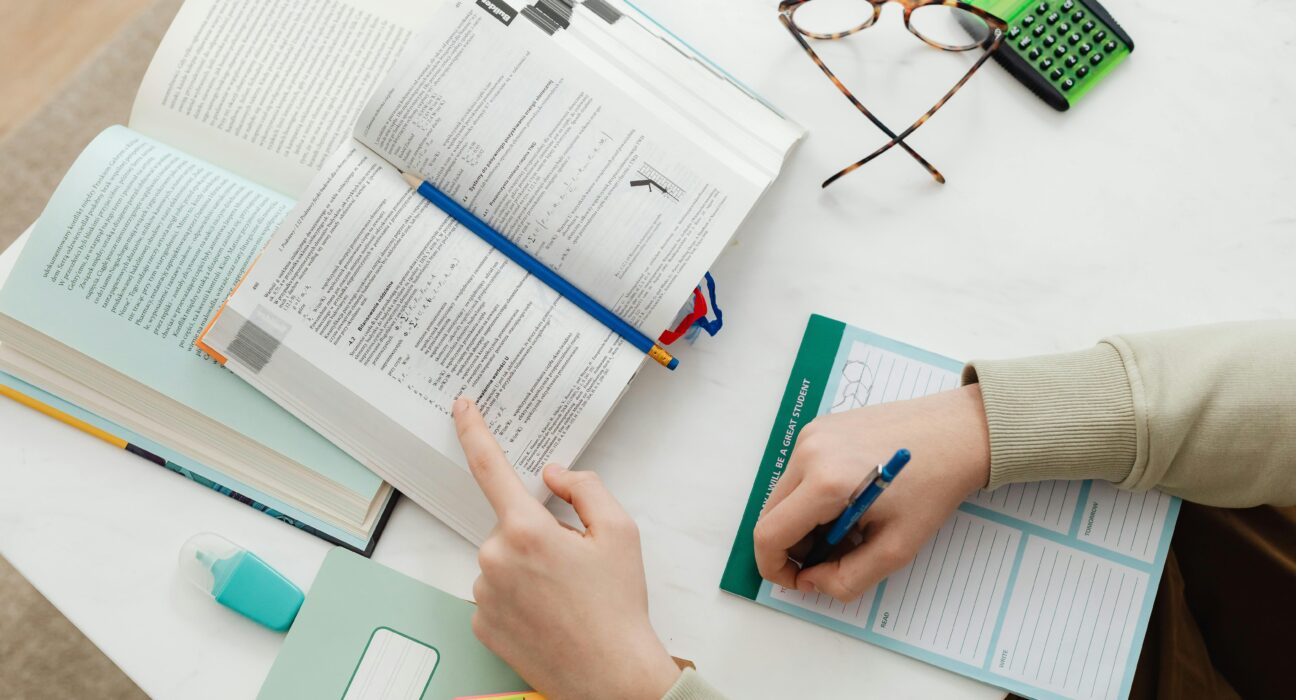
Mathematics is a subject that improves through consistency, repetition, and understanding. Unlike subjects that rely heavily on memorisation, mathematical skills develop gradually through regular application and problem-solving practice. Many students struggle not because they lack ability, but because they revise inconsistently or only focus on Mathematics before examinations.
Using a structured primary Mathematics book regularly can help students strengthen concepts, improve accuracy, and become more confident in handling different question types. However, one common question parents ask is how often children should practise in order to see meaningful improvement without feeling overwhelmed.
The answer depends on the student’s learning pace, current ability, and academic goals, but consistency remains the most important factor.
Why Regular Mathematics Practice Matters
Mathematics concepts are interconnected. Students who miss foundational understanding in one topic may struggle with more advanced concepts later.
Consistent practice helps students:
- Reinforce understanding gradually
- Improve problem-solving confidence
- Reduce careless mistakes
- Build familiarity with mathematical methods
Children who revise regularly are usually more comfortable handling challenging questions during assessments.
Daily Short Practice Is Often More Effective
Long revision sessions are not always necessary for primary school students. In many cases, shorter but focused practice sessions produce better results than irregular intensive studying.
A balanced revision routine may include:
- 20 to 30 minutes of Mathematics practice daily
- Topic-based revision instead of random exercises
- Review of previous mistakes regularly
- Gradual progression through different question levels
Daily exposure keeps concepts fresh in a child’s mind and strengthens retention naturally.
Younger Students Need Simpler and Shorter Sessions
Primary school students have different concentration levels depending on their age and learning stage. Younger children generally benefit from shorter and more engaging revision activities.
For lower primary students, practice should focus on:
- Number sense and basic operations
- Simple problem-solving exposure
- Visual learning methods
- Confidence-building exercises
The goal at this stage is to make Mathematics feel approachable instead of stressful.
Upper Primary Students Require More Structured Revision
As students move to higher primary levels, mathematical concepts become more complex and application-based. Problem-solving questions also require stronger analytical thinking skills.
At this stage, revision with a primary Mathematics book should become more structured and consistent.
Upper primary students often benefit from:
- Scheduled weekly topic revision
- Exposure to multi-step problem-solving questions
- Timed practice sessions occasionally
- Regular review of weaker topics
This gradual increase in revision intensity helps students prepare more confidently for school assessments and examinations.
Consistency Is More Important Than Volume
Some parents believe students need to complete a large number of worksheets daily to improve in Mathematics. However, excessive practice without understanding can lead to frustration and burnout.
Effective learning focuses more on:
- Understanding concepts clearly
- Applying methods correctly
- Learning from mistakes carefully
- Building confidence progressively
Even moderate daily revision can produce strong results when students remain consistent and focused.
Reviewing Mistakes Is a Critical Part of Practice
One of the most overlooked parts of Mathematics revision is error analysis. Students improve more effectively when they understand why mistakes happen.
Instead of simply marking answers wrong, students should:
- Rework incorrect questions independently
- Identify patterns in repeated mistakes
- Understand the correct solving method
- Keep notes on weaker concepts
This reflection process strengthens long-term understanding and reduces repeated errors.
Problem-Solving Skills Need Continuous Exposure
Singapore Mathematics places strong emphasis on logical reasoning and application-based problem-solving. Students need regular opportunities to think critically instead of relying only on memorised methods.
To support this, many parents now use additional learning resources alongside school materials. Across different learning levels, SAP Books Singapore provides structured exercises and progressive practice that help students strengthen analytical thinking while building confidence gradually.
Consistent exposure to problem-solving activities helps students:
- Improve logical reasoning abilities
- Apply concepts more flexibly
- Develop patience with complex questions
- Build confidence through repetition
These skills become increasingly valuable in upper primary levels.
Balancing Practice with Rest Is Important
While regular revision is beneficial, students also need time to rest and recharge mentally. Overloading children with excessive academic pressure can reduce motivation and concentration.
Healthy revision habits should include:
- Short breaks between practice sessions
- Time for hobbies and physical activity
- Positive encouragement during learning
- Realistic and manageable study goals
Balanced routines often help students stay more focused and motivated in the long term.
Parents Play an Important Supportive Role
Children usually respond better to Mathematics when parents create a calm and encouraging learning environment.
Parents can support learning by:
- Establishing regular revision schedules
- Encouraging effort rather than perfection
- Helping children review mistakes positively
- Celebrating gradual improvement consistently
Supportive guidance helps students feel more confident during revision.
Every Student Learns at a Different Pace
There is no single revision schedule that works for every child. Some students require more reinforcement in certain topics, while others progress more quickly.
Parents should observe:
- The child’s attention span
- Confidence level in Mathematics
- Ability to retain concepts
- Stress levels during revision
Flexible and personalised practice routines are usually more effective than rigid study expectations.
Final Thoughts
Regular and structured practice plays a major role in helping students build confidence and stronger mathematical understanding. A well-designed primary Mathematics book becomes far more effective when students use it consistently, review mistakes carefully, and focus on gradual improvement rather than speed alone.
With progressive exercises, guided problem-solving support, and meaningful revision opportunities, educational resources can help children strengthen analytical thinking and academic confidence over time. Through carefully developed learning materials and student-focused educational support, Singapore Asia Publishers continues to help students build stronger mathematical foundations for long-term success.
Frequently Asked Questions
1. How often should primary students practise Mathematics?
Most students benefit from short and consistent daily practice sessions rather than long and irregular revision routines.
2. Why is reviewing mistakes important in Mathematics?
Reviewing mistakes helps students understand concepts more clearly, reduce repeated errors, and improve problem-solving confidence gradually.
3. Can additional Mathematics books improve student performance?
Yes, structured educational resources provide extra reinforcement, guided practice, and problem-solving exposure that support stronger understanding and confidence.
For more, visit Pure Magazine