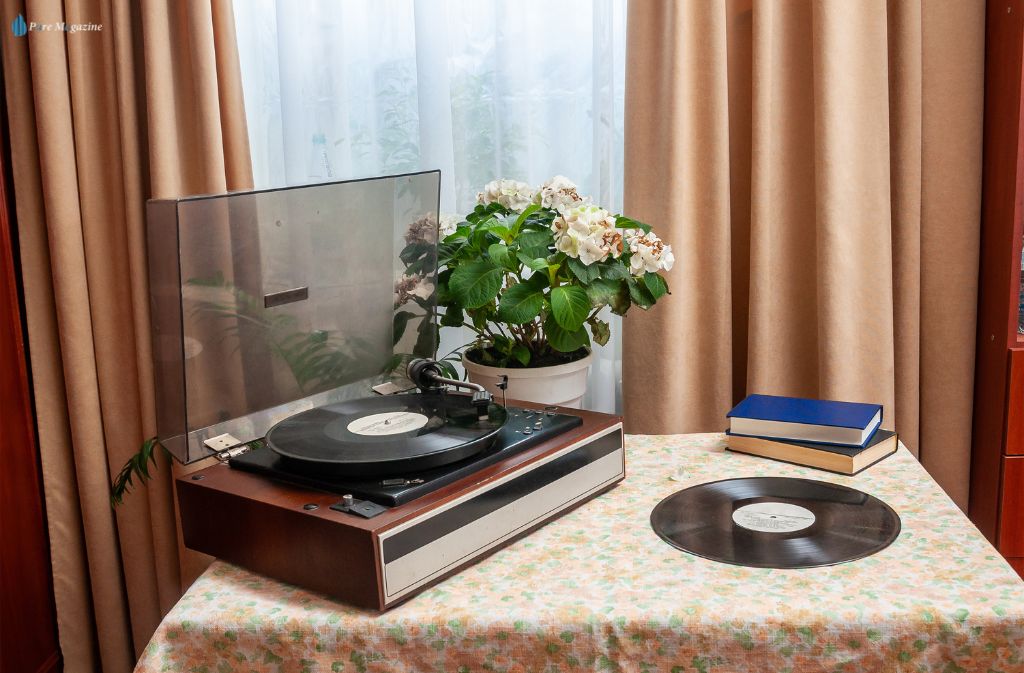
For many, music is the centre of home life. As we work, rest and socialise under the same roof, sound carries real weight in how a room feels and how you feel inside it. You already sense this when silence feels flat or when the wrong playlist drains the energy from an evening. Music does more than fill gaps; it shapes behaviour, attention and comfort. When you choose sound with the same care you give to lighting or furniture, your home starts to respond to you rather than the other way round.
Setting the tone: How sound shapes space and mood
Sound changes how large or intimate a room feels. Slower tempos and warmer tones encourage you to slow down, which suits bedrooms and reading corners, while brighter rhythms add momentum to kitchens and hallways where you move more.
Volume matters as much as genre. A track played quietly blends into the room and softens edges, while the same track played loudly takes control of the space. To use this deliberately, match volume to activity and ceiling height rather than personal habit. Place speakers at ear level where you spend the most time sitting, so sound reaches you evenly instead of bouncing harshly off walls.
The psychology of listening: Mental wellbeing at home
Your brain reacts to music before you consciously judge it. Familiar melodies lower stress because they reduce uncertainty, while new music stimulates curiosity and focus. You can work with this by keeping a short rotation of trusted albums for difficult days and saving discovery listening for moments when your mind feels open.
Vinyl works particularly well here because the physical act of playing a record slows you down and limits skipping, which encourages deeper listening. One deliberate listening session each day can anchor your mood more effectively than background noise running for hours.
Crafting atmosphere: Soundscapes for different rooms and moments
Every room already has its own rhythm based on how you use it. Morning bathrooms benefit from clear, upbeat tracks that help you wake fully, while living rooms suit layered music with space between notes so conversation can sit comfortably alongside it.
Match playlists to routines rather than genres: music for cooking, music for unwinding, music for late evenings when lights dim and attention softens. Create these soundscapes by timing playlists to the length of the activity, so the music ends naturally when the moment does.
Social spaces: Encouraging connection through sound
Music guides how people interact without announcing itself. When guests arrive, steady mid-tempo tracks keep energy flowing and prevent awkward silences, while later in the evening slower songs invite longer conversations.
Keep control of the sound source near where people gather so adjustments feel natural rather than disruptive. Let one shared playlist run for the night instead of constant requests, because continuity helps everyone relax into the same emotional pace.
For more, visit Pure Magazine