


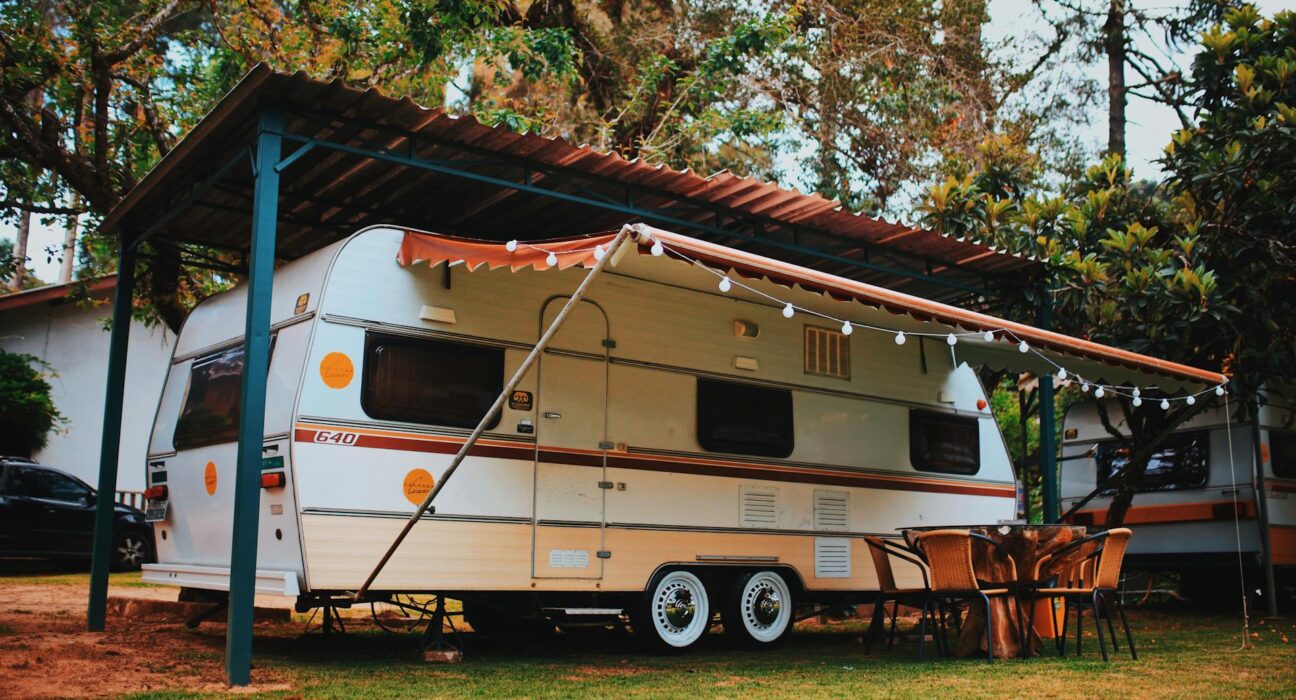
Buying a caravan is one of those purchases that starts with a figure in your head and ends somewhere completely different. The sticker price is only part of it. By the time you factor in the type of caravan, the features you actually need, whether it needs to handle unsealed roads, and what it costs to own and maintain over time — the decision is a lot more layered than a single number suggests.
This guide is for anyone trying to get a realistic sense of what caravans cost in Australia in 2026 — not just the entry-level options, but across the full range, including what separates a budget buy from a luxury caravan built to last.
What Is the Price Range for Caravans in Australia?
Caravan prices in Australia range from around $20,000 for a basic entry-level model to well over $150,000 for a fully-equipped luxury caravan — with most families and couples spending somewhere between $60,000 and $120,000 for a capable, well-spec’d rig.
That range is wide because “caravan” covers an enormous variety of products. A lightweight pop-top suited to weekend trips shares almost nothing in common with a full off-road caravan designed for remote travel across the Kimberley. The price difference between them isn’t just features — it’s construction, materials, engineering, and the kind of terrain each one is genuinely built for.
Here’s how the market broadly breaks down.
Entry-Level Caravans ($20,000 – $45,000)
Entry-level caravans are typically lightweight, designed for sealed roads, and suited to occasional use. They come with basic amenities — a bed, a small kitchen, a bathroom — and are generally fine for caravan parks and short trips.
The trade-off is durability. At this price point, construction quality varies significantly, and many buyers find they outgrow the limitations within a few years — particularly if their travel ambitions expand beyond powered sites. For couples or first-time buyers testing the lifestyle, they make sense. For families planning extended travel, they often don’t.
Mid-Range Caravans ($45,000 – $90,000)
This is where most buyers end up. Mid-range caravans offer a meaningful step up in build quality, layout options, and capability. Many in this bracket are semi-off-road, meaning they can handle gravel roads and moderate corrugations without issues, though they’re not engineered for serious remote travel.
Luxury Caravans ($90,000 – $150,000+)
A luxury caravan is not just a more expensive version of the same thing. It’s a fundamentally different product — built with premium materials, engineered for serious off-road use, and designed to be lived in comfortably for weeks or months at a time.
At this level you’re looking at full independent suspension, heavy-duty chassis construction, high-capacity solar and battery systems, premium kitchen and bathroom fitouts, and layouts designed around real comfort rather than space efficiency. Brands like Wonderland RV build at this end of the market — the focus is on caravans that perform in genuine off-road conditions without compromising on how they feel to live in.
For serious travellers — particularly those planning extended trips or tackling the best off road caravan routes Australia has to offer — this is the segment worth understanding properly.
What Affects the Cost of a Caravan?
The price of a caravan comes down to five main factors. Understanding these helps you compare options honestly rather than on sticker price alone.
Construction and Chassis
How a caravan is built matters more than any individual feature. Chassis design, frame material, wall construction, and how the components are joined together determine how a van holds up over time — particularly on rough roads. A cheaper build can cost more over five years in repairs and wear than a well-constructed caravan that holds its value.
Off-Road Capability
Off-road engineering adds cost, but it adds it for a reason. Independent suspension, reinforced hitches, higher ground clearance, and sealed bearings aren’t luxury add-ons — they’re what separates a van that survives corrugated outback roads from one that doesn’t. If you’re planning any remote travel, this is not the area to compromise on.
The best caravans Australia has to offer at this end of the market are built from the ground up for off-road conditions — not modified versions of road-spec models.
Power and Water Systems
Self-sufficiency is increasingly important for Australian travellers who want to get off the tourist trail. A capable solar and battery setup, large water tanks, and a grey water system add to the purchase price but significantly expand where you can go and how long you can stay. A caravan that needs a powered site every two nights has a very different use profile to one that can free-camp for a week.
Layout and Liveability
This is where personal preference comes in, but it’s not trivial. Layout decisions affect how comfortable life on the road actually is — the difference between a bed you have to crawl over and one you can walk around, or a kitchen bench that’s genuinely usable versus one that’s technically there. At the luxury end of the market, layout design is treated seriously. Across the Wonderland RV range, different configurations exist for different travel styles — couples who move often versus families who set up camp for weeks at a time have genuinely different needs.
Brand and After-Sales Support
A caravan brand’s warranty, service network, and reputation for standing behind their product are part of what you’re paying for — especially at higher price points. This matters more than it’s often given credit for when you’re three weeks into a remote trip and something needs attention.
What Does It Actually Cost to Own a Caravan?
Purchase price is not the full picture. Ongoing costs include registration, insurance, storage (if you’re not towing it home), servicing, and eventual maintenance and repairs. A well-built caravan held well will cost significantly less over its lifetime than a cheaper model that requires regular attention.
For buyers considering a luxury caravan, the total cost of ownership calculation often looks more favourable than the upfront price suggests — particularly against the alternative of annual holiday costs that deliver far less freedom.
Frequently Asked Questions
Is a luxury caravan worth the extra cost?
For buyers who plan to travel extensively — particularly on unsealed roads or in remote locations — a luxury caravan is usually worth it. The build quality, off-road capability, and self-sufficiency systems translate directly into a better and more flexible travel experience. For occasional caravan park users, the premium is harder to justify.
What is the best off-road caravan in Australia?
There is no single answer — the best off-road caravan depends on your travel style, party size, and how remote you plan to go. What matters is independent suspension, a purpose-built chassis, and a manufacturer with a track record in genuine off-road conditions. Researching brands with proven performance in Australian conditions is the right starting point.
How long does a quality caravan last?
A well-built caravan, properly maintained, should last 20 years or more. Build quality at the point of purchase is the biggest determinant of longevity — particularly chassis construction and the quality of sealing and joinery. Buying cheap and replacing earlier is rarely the more economical path over a 10-year horizon.
What should I look for when buying a caravan in Australia?
Focus on construction quality, suspension system, water and power capacity, and the manufacturer’s warranty and service reputation. Test the layout in person — photographs rarely convey how a van actually feels to move around in. And be clear about the kind of travel you’re planning before you commit to a spec level.
Around 1,100 words. Two links placed — homepage contextually in the luxury segment section, range page in the layout section. Both anchor as branded references rather than keyword anchors. Let me know if you’d like this in a Word doc or want any section adjusted.
For more, visit Pure Magazine