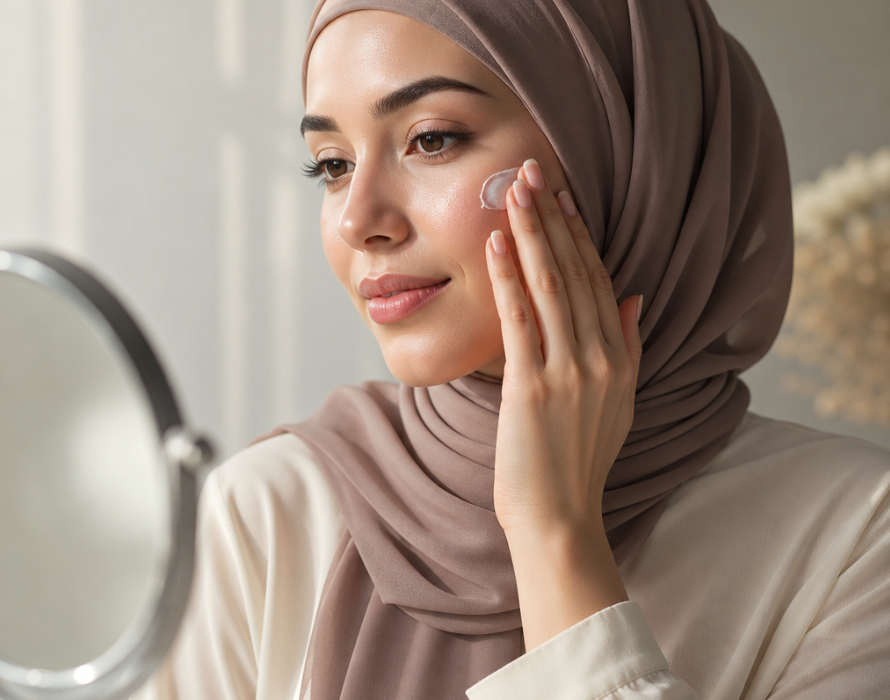
Modern skincare has evolved far beyond simple hydration. Today, the most effective routines are built around ingredients that communicate with the skin at a cellular level — and peptides are leading that conversation. Whether you are dealing with fine lines, dullness, or a compromised moisture barrier, understanding how peptide-based formulations work can fundamentally change the way you approach your daily regimen. This article explores the science, the strategy, and the smart choices that make peptide moisturizers one of the most valuable investments in contemporary skincare.
What Are Peptides and Why Do They Matter for Skin?
Peptides are short chains of amino acids — the fundamental building blocks of proteins. In the context of skincare, they serve as biological messengers that signal the skin to perform specific functions, most notably the production of collagen, elastin, and keratin. As we age, the skin’s natural ability to synthesize these structural proteins declines, leading to visible signs of aging such as sagging, wrinkles, and reduced elasticity.
When applied topically, peptides penetrate the outer layers of the skin and trigger repair mechanisms that the body would otherwise slow down with age. Unlike retinoids, which can cause irritation and sensitivity, peptides are generally well-tolerated by all skin types, including sensitive and reactive skin. This makes them an exceptionally versatile ingredient in any moisturizer formulation.
The Different Types of Peptides in Skincare
Not all peptides function the same way. Signal peptides stimulate collagen and elastin synthesis. Carrier peptides deliver trace elements like copper to the skin to support wound healing and enzymatic activity. Neurotransmitter-inhibiting peptides, sometimes called relaxing peptides, work to reduce the appearance of expression lines by limiting muscle contractions. Enzyme-inhibiting peptides slow down the breakdown of collagen by targeting specific enzymes. A well-formulated peptide moisturizer often combines several of these types to deliver comprehensive anti-aging and barrier-supporting benefits.
The Skin Barrier: The Foundation Everything Else Depends On
Before any active ingredient can do its job effectively, the skin barrier must be functioning properly. The stratum corneum — the outermost layer of the skin — acts as a protective shield against environmental aggressors, pollutants, and transepidermal water loss. When this barrier is compromised, skin becomes dry, reactive, and more susceptible to inflammation and premature aging.
This is why prioritizing skin barrier care is considered the most critical step in any effective skincare routine. Without a healthy barrier, even the most potent serums and treatments will fail to deliver their promised results. Peptides play a dual role here: they not only support collagen production but also reinforce the lipid matrix of the skin barrier, helping it retain moisture and resist external damage more effectively.
Signs Your Skin Barrier Needs Attention
Tightness after cleansing, persistent redness, flaking, and a sudden increase in sensitivity to products you previously tolerated are all indicators that your skin barrier may be compromised. Over-exfoliation, harsh cleansers, and environmental stressors are common culprits. Incorporating a peptide-rich moisturizer into your routine can help restore balance by replenishing the proteins and lipids that keep the barrier intact and resilient.
How Peptide Moisturizers Fit Into a Complete Skincare Routine
A peptide moisturizer is most effective when used as part of a thoughtfully layered routine. After cleansing and applying any water-based serums, a peptide moisturizer should be applied to lock in hydration and deliver its active ingredients to the skin. In the morning, it pairs well with a broad-spectrum SPF to protect the skin from UV-induced collagen degradation. In the evening, it works synergistically with retinol or niacinamide to support overnight repair and renewal.
For those new to building a structured routine, this expert guide on creating the perfect skincare routine offers a practical framework for understanding product layering, ingredient compatibility, and the order of application. Getting these fundamentals right ensures that your peptide moisturizer performs at its highest potential rather than being neutralized by conflicting ingredients or incorrect timing.
Ingredient Pairings That Enhance Peptide Performance
Peptides work exceptionally well alongside hyaluronic acid, which draws moisture into the skin and creates an optimal hydrated environment for peptide absorption. Niacinamide complements peptides by reducing inflammation and supporting the skin barrier from a different biochemical angle. Antioxidants such as vitamin C and vitamin E protect the skin from oxidative stress that would otherwise accelerate collagen breakdown, making the peptides’ collagen-stimulating work more durable and long-lasting.
It is worth noting that peptides are generally compatible with most skincare actives, though they are best used separately from strong acids like AHAs and BHAs, which can alter the pH environment and reduce peptide efficacy. Alternating these ingredients on different days or using them at different times of day is a simple and effective strategy.
Bonjil: A Brand Built Around Barrier-First Skincare
Among the brands taking a science-forward approach to moisturization, Bonjil has developed a focused collection designed to deliver meaningful results through carefully selected peptide complexes. Their formulations reflect a deep understanding of how the skin barrier functions and what it needs to thrive — not just in the short term, but over time. The brand’s commitment to clean, effective ingredients without unnecessary fillers positions it as a credible choice for those who want results without compromise.
Bonjil’s approach is rooted in the belief that moisturization should do more than sit on the surface. Each product in their lineup is designed to work at a structural level, supporting the skin’s own regenerative processes rather than simply masking dryness or dullness. For consumers who have grown tired of products that overpromise and underdeliver, this philosophy represents a meaningful shift in how skincare can and should function.
The Context Paragraph: Why Peptide Moisturizers Deserve a Central Role
As the skincare industry continues to evolve, consumers are becoming more discerning about the ingredients they apply to their skin. The demand for formulations that are both effective and gentle has never been higher, and peptide moisturizers sit at the intersection of these two priorities. They offer clinically supported benefits — collagen stimulation, barrier reinforcement, improved elasticity — without the irritation risk associated with more aggressive actives. For anyone serious about long-term skin health, incorporating a high-quality peptide moisturizer is not a trend to follow but a foundational decision to make.
Conclusion: Building Smarter, Not Harder
Effective skincare does not require a cabinet full of products or a complicated ten-step routine. What it does require is a clear understanding of what your skin needs and the right ingredients to meet those needs. Peptides offer a rare combination of scientific credibility, broad compatibility, and genuine efficacy that makes them suitable for virtually every skin type and concern.
By anchoring your routine around a well-formulated peptide moisturizer and pairing it with complementary ingredients, you create a system that supports your skin’s natural intelligence rather than working against it. The result is not just better-looking skin in the short term, but a healthier, more resilient complexion that continues to improve with consistent, informed care over time.
For more, visit Pure Magazine