


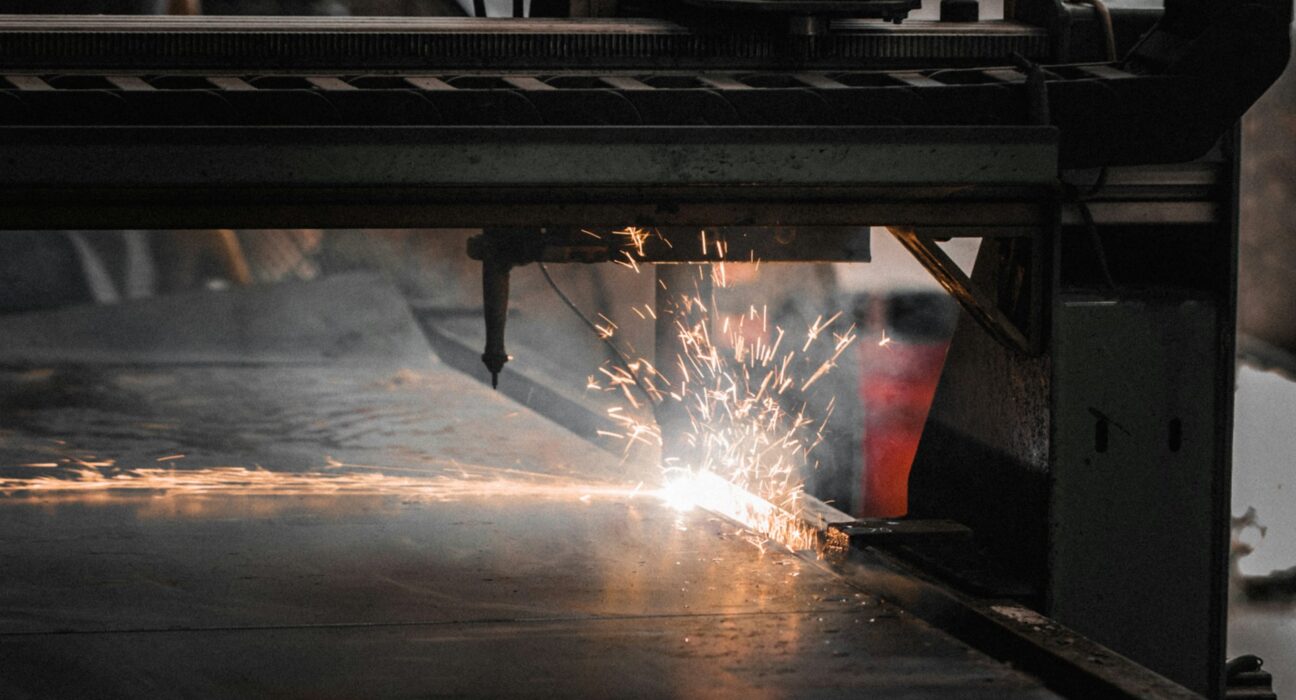
Modern manufacturing demands precision, speed, and consistency. Whether you are producing automotive parts, medical devices, or aerospace components, the margin for error continues to shrink. Traditional welding methods remain valuable, but industries increasingly look for cleaner seams, reduced distortion, and better repeatability. Even small imperfections can lead to costly rework, product failure, or delays in production schedules, especially in industries where quality standards are tightly regulated.
This is where the laser welder has become a critical tool in advanced production environments. By using a highly concentrated beam of light to fuse materials, you can achieve accurate welds with minimal heat impact on surrounding surfaces. This makes laser welding especially useful for thin metals, sensitive components, and complex assemblies where controlling distortion is essential. As industries continue shifting toward automation, higher output, and tighter tolerances, laser welding technology plays an increasingly important role in helping you meet modern production demands while improving long-term efficiency and weld reliability.
What Makes Laser Welding Different?
Laser welding uses a highly concentrated beam of energy to fuse metals and certain alloys. Unlike conventional arc welding, which spreads heat over a larger area, laser welding directs energy into a small, controlled zone.
Key Characteristics
- Narrow weld seams
- Minimal thermal distortion
- High processing speed
- Strong and consistent joints
Because of these features, you can maintain structural integrity while improving production efficiency.
Automotive Industry Applications
The automotive sector was one of the earliest adopters of laser welding technology.
Body and Structural Components
Automotive manufacturers use a laser welder to join:
- Body panels
- Roof seams
- Chassis components
- Transmission parts
The precise heat control reduces warping in thin sheet metal, which is critical when working with lightweight materials.
Battery and EV Manufacturing
Electric vehicles require highly reliable battery connections. Laser welding provides consistent electrical conductivity and mechanical strength. You benefit from reduced defects and improved production throughput.
Advantages in Automotive Production
- Faster production cycles
- Reduced post-weld finishing
- Improved weld aesthetics
These benefits directly support high-volume manufacturing environments.
Aerospace Industry Applications
In aerospace, precision and safety are non-negotiable. Components must withstand extreme conditions, including temperature changes and high stress.
Engine Components
Laser welding is widely used for:
- Turbine blades
- Fuel nozzles
- Exhaust components
The narrow heat-affected zone helps preserve material strength, which is crucial for high-performance alloys.
Lightweight Structures
Aircraft manufacturers rely on laser welding to join thin materials without compromising structural integrity. This helps maintain weight efficiency while meeting strict regulatory standards.
Why Laser Welding Works in Aerospace
- High repeatability
- Excellent joint strength
- Compatibility with advanced alloys
These characteristics make laser welding ideal for mission-critical applications.
Medical Device Manufacturing
Medical equipment demands extreme cleanliness and precision.
Surgical Instruments
Laser welding is commonly used to assemble:
- Stainless steel instruments
- Titanium components
- Precision cutting tools
The clean weld finish minimizes contamination risks and reduces the need for additional polishing.
Implants and Micro Components
Implants and small medical parts require micro-welding capabilities. A laser welder allows you to work at a microscopic level with exceptional control.
Benefits for Medical Applications
- Minimal surface damage
- High aesthetic quality
- Strong and durable welds
These factors contribute to patient safety and regulatory compliance.
Electronics and Microelectronics
As devices shrink in size, joining techniques must adapt.
Circuit and Sensor Manufacturing
Laser welding is used in:
- Sensor housings
- Battery tabs
- Micro connectors
The precision beam reduces heat spread, protecting sensitive electronic components.
Hermetic Sealing
In electronics, airtight sealing is critical. Laser welding ensures consistent seams that protect internal components from moisture and environmental exposure.
Why Electronics Manufacturers Prefer Laser Welding
- Precise energy control
- Compatibility with small components
- Reliable and repeatable results
This makes it a key solution in advanced electronics production.
Jewelry and Fine Metalwork
Laser welding has also transformed jewelry manufacturing and repair.
Repairing Delicate Pieces
You can repair:
- Fine chains
- Rings
- Prongs
- Detailed engravings
Because the heat is localized, surrounding stones and delicate materials remain protected.
Design Flexibility
Jewelry makers benefit from the ability to join intricate parts without visible seam lines.
Industrial Manufacturing and Heavy Equipment
Laser welding is not limited to small or delicate components. It is also used in heavy industries.
Sheet Metal Fabrication
Industrial manufacturers use laser welding for:
- Enclosures
- Panels
- Structural brackets
The process improves productivity and reduces distortion in large-scale fabrication.
Tool and Mold Repair
Laser welding allows precise repair of molds and dies without removing significant material. This reduces downtime and extends tool lifespan.
Comparing Laser Welding With Traditional Methods
| Feature | Laser Welding | Traditional Welding |
| Heat Control | Highly precise | Wider heat spread |
| Speed | High | Moderate |
| Distortion | Minimal | Higher |
| Automation Integration | Excellent | Moderate |
This comparison highlights why industries increasingly adopt laser technology for demanding applications.
Practical Considerations When Using a Laser Welder
If you are evaluating laser welding for your operations, consider the following:
Material Compatibility
Laser welding works well with:
- Stainless steel
- Aluminum
- Titanium
- Nickel alloys
Material thickness and reflectivity can influence performance.
Operator Training
Proper training ensures safety and consistent weld quality. Laser systems require understanding of power settings, focal distance, and material response.
Equipment Selection
Choosing the right system depends on production volume, material type, and application precision.
Manufacturers seeking reliable and industrial-grade laser welding systems often explore advanced product lines such as those available through Denaliweld, which offers a range of professional laser welding equipment designed for industrial applications.
The Future of Laser Welding Across Industries
Laser welding continues to evolve with improved automation and integration into smart manufacturing systems.
Integration With Robotics
Many industries now combine robotic arms with laser welders to achieve:
- Fully automated production lines
- Reduced human error
- Consistent weld quality
Advanced Monitoring Systems
Modern laser welders incorporate sensors that monitor weld depth and seam integrity in real time. This improves quality control and reduces scrap rates.
Conclusion
Laser welding has become a cornerstone technology across industries ranging from automotive and aerospace to medical and electronics manufacturing. Its ability to deliver precise, strong, and consistent welds with minimal thermal distortion makes it highly adaptable to both micro-scale and heavy-duty applications. This versatility allows you to work with advanced materials and complex components while maintaining tight tolerances and high-quality standards.
As manufacturing demands continue to rise, the laser welder stands out as a solution that balances speed, accuracy, and efficiency. Whether you are producing high-volume components, delicate medical parts, or precision electronics, laser welding supports cleaner seams, reduced rework, and stronger long-term durability. With automation and smart production systems becoming more common, laser welding is also positioned as a future-ready technology that helps you improve output while maintaining consistent results.
Ultimately, adopting laser welding is not only about improving weld quality, but also about staying competitive in modern industrial environments. As more industries move toward faster production, higher reliability, and lower waste, laser welding remains one of the most valuable tools for meeting evolving performance expectations.
For more, visit Pure Magazine