


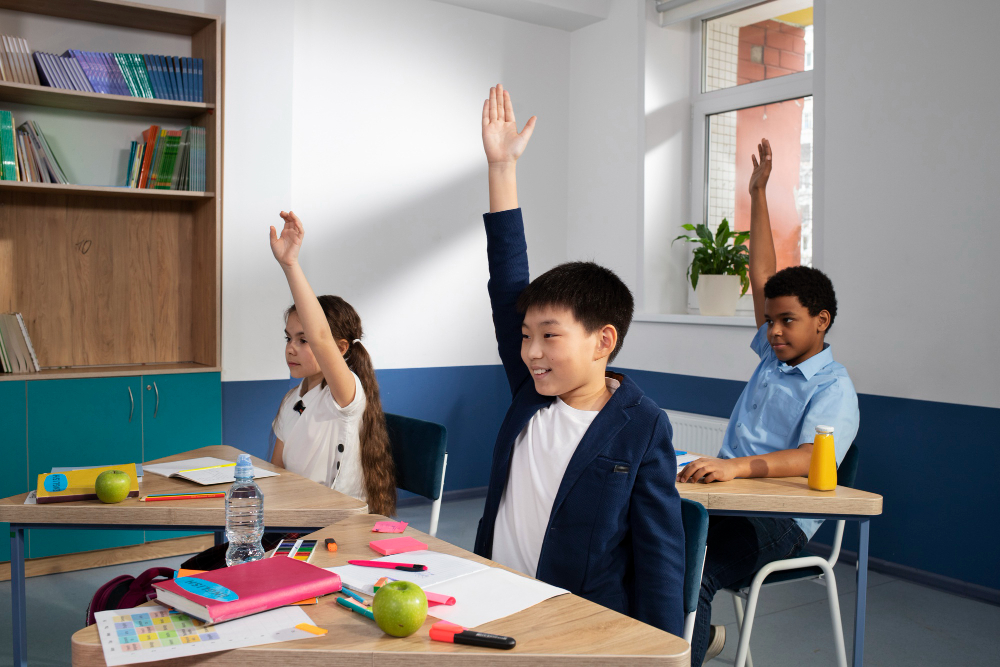
early language acquisition has become a crucial component of a child’s educational journey. As parents seek to equip their children with the skills necessary for success in primary school and beyond, K2 Chinese classes have emerged as an effective solution. These classes not only introduce children to the fundamentals of the Chinese language but also foster cognitive development, cultural awareness, and social skills. Designed with the unique learning styles of young learners in mind, K2 Chinese programs emphasize interactive and engaging methods that stimulate curiosity and creativity.
Through a carefully curated curriculum that incorporates storytelling, games, and hands-on activities, children develop a solid foundation in language skills while simultaneously enhancing their critical thinking abilities. Furthermore, the immersive environment of K2 Chinese classes encourages teamwork and collaboration among peers, promoting essential social skills that are vital for a smooth transition to primary school.
This article delves into the various ways K2 Chinese classes prepare children for the challenges of primary education, highlighting the multifaceted benefits that come with early language learning and its potential to shape a child’s academic and social success.
Bilingual Skills Enhance Early Learning Opportunities
The ability to speak multiple languages offers children a distinct advantage in early learning environments. Research indicates that bilingualism not only enhances cognitive flexibility but also boosts problem-solving skills and creativity. As children navigate between languages, they develop a greater understanding of linguistic structures and cultural nuances, which can significantly enrich their learning experiences. Furthermore, bilingualism has been linked to improved memory retention and a deeper grasp of mathematical concepts, providing a solid foundation for future academic success.
In addition to cognitive benefits, bilingual skills foster social and emotional development. Children who are bilingual often exhibit increased empathy and adaptability, as they learn to communicate with diverse groups of people. This adaptability can lead to more meaningful interactions in both classroom settings and broader social contexts. As such, providing opportunities for bilingual education in early childhood not only prepares children for primary school but also equips them with essential life skills that will serve them well beyond their academic pursuits.
Social Interaction Through Group Activities
Engaging in group activities plays a crucial role in enhancing communication and collaboration skills among young learners. These activities encourage children to work together towards a common goal, promoting the exchange of ideas and fostering a sense of community. By participating in team-based exercises, children learn to navigate social dynamics, develop leadership qualities, and cultivate a sense of responsibility towards their peers. This cooperative engagement not only enriches their social experiences but also enhances their ability to express themselves articulately in both their native and target languages.
Moreover, group activities create an environment where children can practice their language skills in authentic contexts. Interaction with peers allows for real-time feedback, which is invaluable for language acquisition. As they engage in conversations, share resources, and solve problems collectively, children become more confident in their abilities to articulate thoughts and feelings. This practice not only solidifies their language proficiency but also reinforces their social skills, enabling them to build strong, supportive relationships that will benefit their personal and academic journeys.
Creative Teaching Methods Foster Engagement
Incorporating innovative teaching strategies into the curriculum significantly enhances student engagement by stimulating curiosity and encouraging active participation. Techniques such as gamification, interactive storytelling, and project-based learning not only make the learning process enjoyable but also cater to diverse learning styles. By integrating elements of play and creativity, educators can capture the attention of young learners, making complex subjects more accessible and relatable. This dynamic approach facilitates deeper understanding and retention of knowledge, as children become invested in their learning experiences.
Additionally, these methods promote critical thinking and problem-solving skills by challenging students to explore, inquire, and collaborate. As learners engage with the material in varied and hands-on ways, they develop a sense of ownership over their education, which fosters intrinsic motivation. By creating a classroom atmosphere that values creativity and exploration, educators can empower children to take risks and express themselves freely, ultimately laying a strong foundation for their academic journey ahead.
Cultural Awareness Through Language Immersion
Language immersion provides children with a unique opportunity to engage deeply with another culture, fostering a sense of cultural awareness that transcends mere vocabulary and grammar. By participating in an environment where the target language is actively spoken, students are not only learning to communicate but are also absorbing the cultural nuances, traditions, and values associated with that language. This holistic approach encourages learners to view the world through a different cultural lens, cultivating empathy and understanding of diverse perspectives.
Furthermore, immersion programs create a natural context for students to practice language skills while simultaneously exploring cultural practices, such as traditional celebrations, culinary experiences, and storytelling. Engaging with native speakers and experiencing cultural artifacts firsthand enriches the learning experience, enabling children to make connections between language and culture. This foundational understanding is invaluable as it prepares them for an increasingly interconnected world, allowing them to navigate social dynamics and foster meaningful relationships across cultural boundaries.
Confidence Building for Future Success
Building confidence in young learners is essential for their overall development and future success. When children experience a supportive and encouraging environment, they are more likely to take risks and embrace challenges, which can significantly enhance their problem-solving abilities and resilience. Participation in interactive language classes fosters a sense of achievement, as students gradually improve their communication skills and navigate new linguistic terrains. The positive reinforcement they receive not only boosts their self-esteem but also equips them with the confidence to express themselves and collaborate with peers in diverse settings.
In addition, the skills gained through language learning extend beyond verbal communication. Children develop critical thinking and adaptability raits that are invaluable in an increasingly globalized world. As they engage in group activities and cultural explorations, they learn to work collaboratively, respect different viewpoints, and approach learning with an open mind. This foundation of confidence, coupled with the ability to navigate multicultural environments, prepares students not only for primary school but also for the broader educational and social challenges they will face in the future.
Conclusion
K2 Chinese classes play a pivotal role in preparing children for primary school by fostering language acquisition, cognitive development, and cultural understanding. Through engaging and interactive learning methods, these classes help young learners build a strong foundation in Mandarin, enhancing their communication skills and confidence. Moreover, the emphasis on social interaction and collaboration in these classes not only supports academic readiness but also cultivates essential life skills such as teamwork and problem-solving. As parents and educators seek to equip children for a successful academic journey, K2 Chinese classes offer a valuable resource that paves the way for a smooth transition into the demands of primary education and beyond.
For more, visit Pure Magazine