


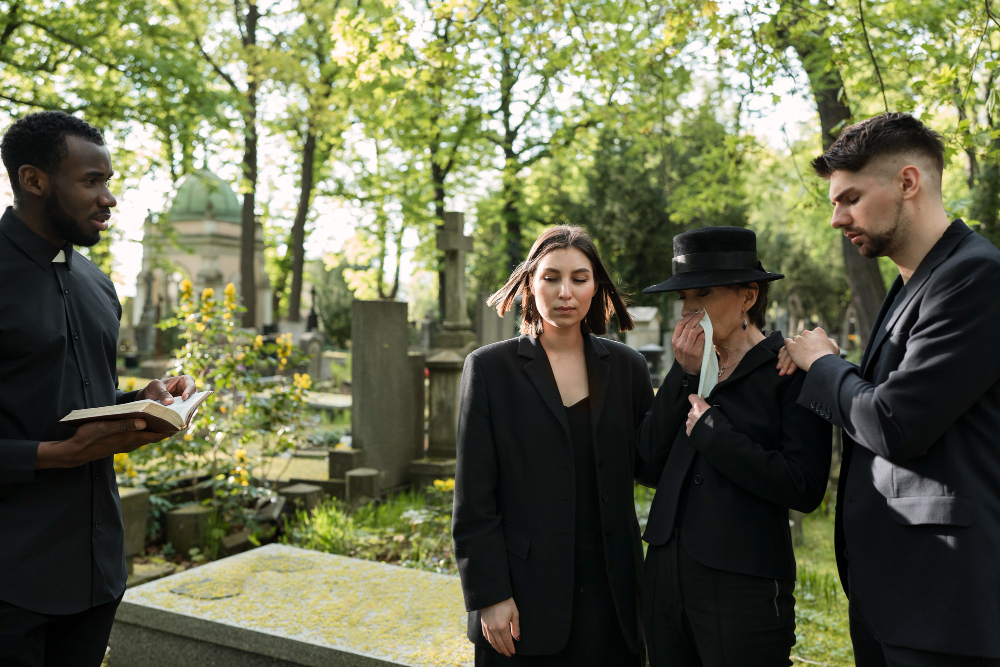
In an increasingly fragmented world where many of us live far from extended family and childhood communities, funerals serve a function that has become rare: they bring people together in person, united by grief and love. Funeral homes Sunshine Coast understand that the physical act of gathering of being in the same room with others who knew and loved someone creates a healing power that cannot be replicated through texts, emails, or video calls. In these moments of shared presence, something profound happens that helps restore our sense of connection and hope.
The Function of Physical Presence
There’s something about being in the same physical space with others that words alone cannot accomplish.Hug someone in a way that video calls don’t permit. We can sit in silence together without it being awkward. We can observe people we haven’t seen in years and feel the continuity of relationship and community. Physical presence creates a kind of permission to be vulnerable in ways that digital communication doesn’t quite allow.
When we gather at a funeral, we create a container for grief that our individual grief cannot provide. The collective acknowledgment of loss is more powerful than isolated acknowledgment. The shared silence is more comforting than isolated silence. The collective tears somehow make individual tears more bearable. This is not something that happens when we grieve alone, even if we’re connected to others through technology.
Reconnecting with Community
For many people, a funeral is the occasion to reconnect with a community they’ve become distant from. Old friends reconnect. Distant cousins embrace. Neighbors gather. In the process of honoring someone who has died, we reaffirm the community that surrounded them in life. We reweave connections that had perhaps become frayed through distance or time.
This reconnection often has surprising secondary effects. People reconnect not just at the funeral but afterward. Friendships resume. Family relationships are renewed. People who had drifted apart find themselves committed to maintaining contact. A funeral gathering can become the catalyst for strengthening the fabric of a community.
Funeral homes Sunshine Coast note that families often report that the funeral, despite its sadness, created unexpected opportunities for healing in relationships and reconnection in community. People often speak of feeling more connected to their extended family and community after the funeral than they had felt in years.
Witnessing and Being Witnessed
One of the profound functions of funeral gathering is the act of bearing witness to each other’s grief. When we gather at a funeral, we’re saying to the bereaved: “Your pain is real. Your loss matters. Your loved one mattered. We see you in your grief and we’re here with you.” This witnessing is powerful and healing.
Being witnessed in our most vulnerable moments paradoxically makes us feel less vulnerable. The bereaved often describe the funeral gathering as one of the most painful and yet most comforting experiences of their grief journey. They feel the weight of loss most acutely, and yet they feel held and supported in a way that transforms the experience.
Conversely, those gathering often report that witnessing others’ grief and showing up for them is meaningful and even transformative. Rather than feeling helpless in the face of someone’s loss, they feel they’ve done something important simply by being present. This action of showing up creates a sense of purpose and connection.
Shared Meals and Rituals
Often accompanying the funeral ceremony itself are shared meals and rituals—the reception following the service, the gathering at someone’s home, the communal eating and drinking together. These seemingly simple activities carry profound significance. Breaking bread together is one of humanity’s oldest rituals for creating community and connection.
Sharing a meal in the context of grief does something particular. It acknowledges that even in the midst of profound sadness, we continue to live. We nourish our bodies. We sit together. Share food and conversation. This simple act of continued living, done collectively, helps people move from the acute shock of loss into the ongoing reality of living in the aftermath.
Many cultures recognize the importance of these rituals, creating specific traditions around food and gathering following death. These traditions provide structure and continuity, helping people navigate what to do and how to be during the disorienting time following loss.
Continuity and Hope
A funeral gathering also serves to affirm continuity. The community that gathered around the deceased during their life continues after their death. The values they held, the relationships they formed, the community they were part of—all of these continue. New members of the family witness the strength of the family bonds. Colleagues see the ongoing impact of someone’s work. Friends recognize that friendship and community persist.
This continuity, experienced in the gathering, paradoxically helps restore hope in the face of loss. Yes, someone is gone. And yes, we remain. We remain connected to the person through memory and to each other through the bonds they helped create. We remain part of a community that continues forward. In that continuation is a kind of hope.
The Sacred Container
Ultimately, the funeral gathering creates what many describe as sacred space—a moment outside of ordinary time where grief and love can exist together, where community can be fully present to each other, where the significance of one human life can be fully honored. This sacred container, held by the collective presence of those gathered, makes the unbearable bearable and transforms the experience of loss into something that includes pain but also includes connection, meaning, and hope.
In a world that increasingly isolates us, the funeral gathering reminds us of our fundamental need for each other and the healing power of showing up, being present, and honoring each other through the most difficult experiences of human life.
For more, visit Pure Magazine