


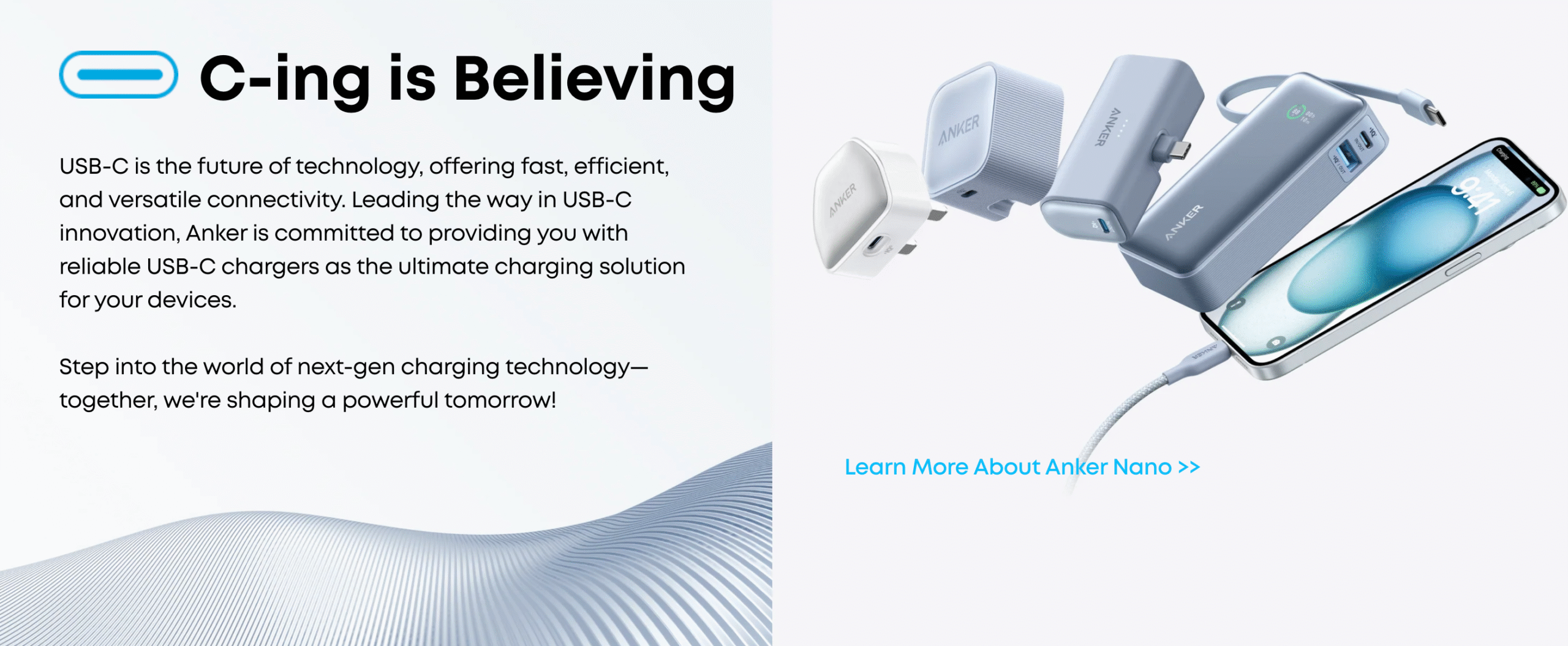
A safe USB charger protects your devices from overheating, overcharging, and electrical faults. Knowing how to spot a reliable charger prevents damage and potential fire risks. From build quality to certifications, every detail matters. Understanding what makes a charger trustworthy helps you make smart buying decisions. With a few checks, you can ensure every charge is safe, efficient, and gentle on your phone’s battery.
Understanding USB Charger Safety Standards
How Safety Certifications Ensure Reliable Charging
Safety certifications confirm that a charger meets international standards for electrical stability and fire resistance. Certified products undergo testing for voltage control, temperature management, and insulation safety. These approvals protect both users and devices from power fluctuations. Always check for genuine marks on packaging and the device itself. Certification guarantees that a charger performs consistently under normal and heavy loads without compromising safety.
Key International Safety Labels and What They Mean
Recognized marks like CE (Europe), UL (USA), and FCC (global compliance) indicate a charger has passed strict testing. Other symbols, such as RoHS or PSE, confirm environmental and electrical safety. These labels aren’t just decorative—they show the product meets regulated limits for heat, voltage, and durability. Choosing chargers with visible, authentic labels ensures dependable performance and helps avoid dangerous, uncertified electrical products.
Why Cheap, Uncertified Chargers Pose Serious Risks
Low-cost, uncertified chargers often skip essential safety components to reduce manufacturing expenses. Poor insulation and unstable voltage output can overheat devices or damage batteries permanently. Some even pose fire and shock hazards due to low-quality internal circuits. Saving a few dollars isn’t worth the risk. Investing in trusted brands like Anker charger models provides consistent safety and performance, backed by rigorous quality testing and verified certifications.
Physical Signs of a Safe and Well-Built USB Charger
Build Quality, Weight, and Design Indicators
Safe chargers feel solid and balanced, not hollow or flimsy. A slight weight often indicates robust internal components, such as transformers and protective circuits. Look for smooth edges, tight seams, and well-fitted plugs. Inferior units usually have poor molding or uneven finishes. Quality chargers also use fire-retardant materials that resist heat and wear. A premium build protects against electrical shock and ensures long-term reliability under daily use.
Cable and Connector Quality: What to Check
Inspect the cable’s texture and flexibility—good cables bend smoothly without cracking. Reinforced connectors prevent fraying where the cord meets the plug. Thick insulation helps resist damage from pulling or twisting. Avoid cables with exposed wiring or thin, stiff sheathing, as these often overheat or break quickly. Using durable, certified cables ensures steady current flow and reduces risk, especially during extended charging sessions across multiple devices.
Detecting Counterfeit or Poorly Assembled Chargers
Counterfeit chargers mimic brand logos but lack safety features. Warning signs include misspelled labels, loose ports, or uneven screws. Poor soldering or cheap materials cause short circuits and overheating. Authentic chargers always include serial numbers, manufacturer details, and proper labeling. If the packaging appears unsealed or missing information, avoid using it. Verifying authenticity before purchase ensures both personal safety and consistent charging performance for your devices.
Internal Protection Features That Prevent Damage
Over-Voltage, Over-Current, and Temperature Protection
Reliable chargers regulate voltage and current flow automatically. Over-voltage protection prevents power surges, while over-current control stops excessive energy transfer. Built-in temperature sensors cut power if the device overheats. These internal systems work together to protect both the charger and connected devices. When functioning properly, they maintain optimal performance while preventing risks like battery swelling, circuit burnout, or unexpected shutdowns during charging.
Surge and Short-Circuit Prevention Systems
High-quality chargers include surge protectors to absorb sudden power spikes caused by unstable electricity. Short-circuit prevention shuts off the current immediately if a connection fails or moisture enters. This automatic response prevents damage to internal components and reduces fire hazards. Chargers without these protections risk catastrophic failure under stress. Always prioritize models that clearly list surge and short-circuit features in their technical specifications.
Smart Power Distribution and Charging Regulation
Advanced chargers use smart chips to recognize connected devices and distribute power efficiently. This technology prevents overcharging and ensures each port receives the right wattage. For example, a phone and tablet can charge together without draining speed or overheating. Smart regulation also adapts to battery status, reducing current as it nears full capacity. The result is faster, safer charging and extended battery lifespan across all devices.
Best Practices for Using and Maintaining a Safe Charger
Avoiding Overuse and Continuous Plug-In Habits
Leaving chargers plugged in continuously strains components and wastes energy. Over time, it may also cause slow degradation or overheating. Unplug the charger when not in use and allow it to cool between sessions. Avoid using while covered by bedding or fabric, which traps heat. Following these small habits keeps chargers efficient, extends their life, and maintains both device and household safety over time.
Regularly Inspecting and Cleaning Your Charger
Check your charger monthly for signs of wear, cracks, or discoloration. Remove dust or debris from ports using a dry cloth—never liquids. Ensure connectors remain tight and free of corrosion. Replace any frayed or bent cables immediately. Proper inspection prevents overheating or spark risks. Consistent maintenance not only enhances safety but also improves power transfer efficiency and the overall charging performance of your devices.
Safe Travel and Storage Tips for Long-Term Use
When traveling, pack chargers in padded cases to prevent cable bending and impact damage. Avoid leaving them in hot cars or damp areas. For long-term storage, keep chargers in a cool, dry space and unplug them from outlets. Coil cables loosely to prevent internal breakage. Following these precautions ensures your charger remains functional, safe, and ready for consistent, dependable use whenever you need it.
Conclusion
Identifying a safe usb charger comes down to quality, certification, and awareness. Always check labels, inspect build quality, and choose trusted brands with proven reliability. Look for protective features like surge control and smart regulation. Regular maintenance further ensures safe performance. A genuine, well-built charger not only powers your devices efficiently but also safeguards them—and you—from preventable electrical risks every single day.
For more, visit Pure Magazine