


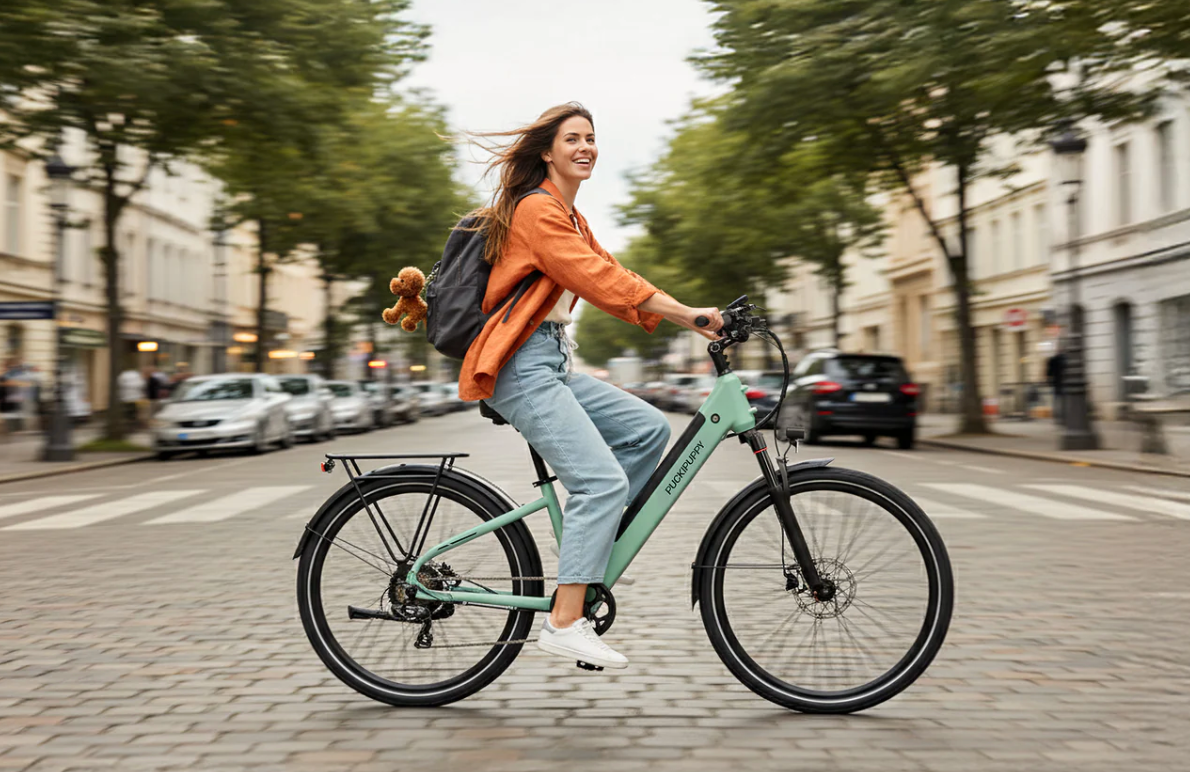
For many city riders, one of the first practical questions that comes up after buying an e-bike is not about riding at all—it’s about where to put the bike when you get home. Apartment living can present unique challenges when it comes to storing a commuter e-bike, especially in buildings without dedicated bike rooms or large storage areas.
Unlike traditional bicycles, commuter e-bikes can be heavier due to their motor and battery systems. At the same time, they are valuable pieces of equipment that many riders prefer to keep indoors for security reasons. The good news is that with the right approach, storing an e-bike in an apartment can be manageable and even convenient.
Understanding the common strategies used by urban riders can help make apartment living with a commuter e-bike much easier.
Understanding the Weight of a Commuter E-Bike
Before thinking about storage solutions, it helps to understand how much a commuter e-bike typically weighs. Most city e-bikes fall within the range of 40 to 65 pounds, depending on the motor, battery size, and frame design.
This weight can make carrying the bike upstairs or through narrow hallways more challenging than handling a traditional bicycle. However, many commuter e-bikes are designed with urban living in mind, meaning they are balanced and manageable even if they are not extremely lightweight.
Knowing the approximate weight of the bike helps riders plan how they will move it through their building and into their living space.
Using Elevators and Hallways Efficiently
In apartment buildings with elevators, transporting a commuter e-bike is usually straightforward. Riders can simply roll the bike into the elevator and walk it to their unit.
However, space can sometimes be tight. A few simple habits can make this process easier:
- Position the bike parallel to the elevator wall
- Use the front brake to control movement while standing
- Avoid turning the handlebars sharply in small spaces
These small adjustments help riders move the bike smoothly without bumping into walls or other residents.
In buildings without elevators, the process may require carrying the bike up stairs. While this can take some effort, many riders develop comfortable techniques for lifting the bike safely.
Removing the Battery to Reduce Weight
One of the easiest ways to make carrying a commuter e-bike easier is to remove the battery before lifting the bike. Most e-bike batteries are detachable, and removing them can reduce the bike’s weight by several pounds.
This small difference can make a noticeable improvement when carrying the bike up stairs or navigating tight spaces.
Removing the battery also provides an additional benefit: it allows riders to charge the battery indoors without needing to bring the entire bike inside if a secure bike storage area is available in the building.
Carrying Techniques for Staircases
If stairs are unavoidable, using the correct carrying technique can help prevent strain or accidents. Many riders find it easiest to carry the bike by holding the frame’s main tube or seat tube, keeping the bike balanced close to their body.
Some riders lift the bike onto one shoulder, similar to how traditional cyclists carry road bikes. Others prefer lifting the front of the bike slightly while rolling the rear wheel up each step.
The best method often depends on the bike’s weight, frame shape, and the rider’s comfort level.
Taking time to practice lifting the bike safely can make daily storage routines much easier.
Indoor Storage Solutions for Small Apartments
Once inside the apartment, the next challenge is finding a place to store the bike without taking up too much living space. Fortunately, several storage options are commonly used by city riders.
Wall Mounts
Wall mounts are one of the most popular solutions for apartment bike storage. These mounts allow riders to hang their bikes vertically or horizontally on a wall, freeing up floor space.
Vertical mounts are particularly useful in smaller apartments because they keep the bike upright and compact.
Floor Stands
For renters who prefer not to drill into walls, freestanding bike racks can provide a simple alternative. Floor stands hold the bike upright without requiring permanent installation.
These stands can often be placed near entryways, balconies, or corners of a room.
Ceiling Hooks
In apartments with higher ceilings, ceiling hooks can be used to suspend the bike above the floor. This approach works well in spaces where wall storage is limited.
However, riders should ensure that hooks are properly installed to support the weight of an e-bike.
Keeping the Apartment Clean
Bringing a commuter e-bike indoors also means bringing in dirt from the street. Tires may carry dust, water, or debris, especially after riding in wet weather.
To keep the apartment clean, many riders place a small floor mat or bike tray near their storage area. This helps catch dirt and moisture from the tires.
Regularly wiping down the tires and frame after rides can also help prevent dirt from spreading throughout the apartment.
These small habits make indoor bike storage much more practical.
Security Considerations
One reason many apartment residents choose to store their e-bikes indoors is security. E-bikes are valuable, and leaving them outside overnight can increase the risk of theft.
Keeping the bike inside the apartment provides peace of mind and protects the bike from weather exposure as well.
Even when stored indoors, some riders still use a lightweight lock to secure the bike to a fixed object such as a heavy rack or furniture. While this may not always be necessary, it adds an extra layer of security.
Choosing a Commuter E-Bike That Fits Apartment Living
For riders living in apartments, the design of the e-bike itself can make storage easier. Bikes with balanced weight, practical frame shapes, and manageable sizes tend to work best in urban living spaces.
Some commuter-focused e-bikes are designed specifically with these considerations in mind. Brands such as Puckipuppy, for example, offer city-oriented models that emphasize everyday usability, manageable weight, and features suited to urban commuting.
Choosing a bike designed for city life can make the process of carrying and storing it at home significantly easier.
Building a Simple Daily Routine
Once a rider becomes familiar with carrying and storing their commuter e-bike, the process usually becomes part of a simple daily routine. Rolling the bike through the building, lifting it briefly if needed, and placing it in a designated spot inside the apartment can take only a few minutes.
Over time, most riders find that storing an e-bike indoors becomes just as routine as hanging up a coat or placing shoes by the door.
With a little planning and the right storage setup, apartment living and e-bike commuting can work together surprisingly well.
Conclusion
Carrying or storing a commuter e-bike in an apartment may seem challenging at first, but many city riders successfully manage it every day. By understanding the bike’s weight, using proper lifting techniques, and choosing smart storage solutions, apartment residents can keep their e-bikes secure and accessible.
Indoor storage offers several advantages, including better protection from theft and weather, as well as the convenience of having the bike ready for the next ride.
As commuter e-bikes continue to grow in popularity in urban environments, more riders are discovering that even small apartments can accommodate them with the right approach. With thoughtful planning, living in an apartment does not have to be a barrier to enjoying the benefits of everyday e-bike commuting.
For more, visit Pure Magazine