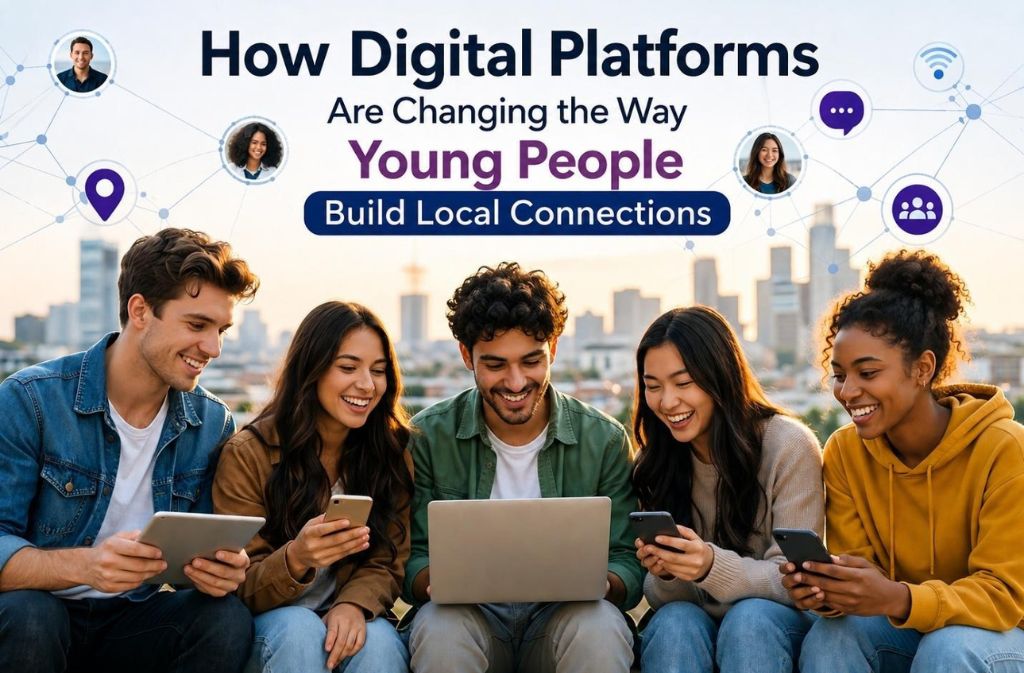
The way young people build relationships within their communities has changed dramatically over the last decade. What once depended on chance meetings, neighborhood gatherings, or introductions through mutual friends has now shifted into a more digital experience. Today, smartphones and online platforms have become a central part of how Millennials and Gen Z discover people, communities, and opportunities close to home.
Technology has not replaced human connection, but it has reshaped the path that leads to it. Digital platforms now act as bridges between individuals who may never have crossed paths otherwise, making local interaction faster, easier, and more intentional.
The Shift from Passive to Active Connection
In previous generations, local connections often happened naturally. People met through school, family circles, workplaces, or social events. While those opportunities still exist, younger generations are taking a more active role in deciding how and when they connect with others.
Digital platforms allow people to search based on shared interests, hobbies, lifestyles, and locations. Instead of waiting for an introduction, users can explore communities that match their preferences and values. This gives them more control over the kind of relationships they want to build.
Whether someone is looking for professional networking, social friendships, or local communities, digital tools make the process more efficient than traditional methods. Just as selecting the right enterprise software requires understanding your specific needs and goals, choosing the right digital platform for building connections comes down to knowing what kind of community you want to find.
Convenience Has Become a Major Factor
One of the biggest reasons digital platforms continue to grow is convenience. Younger generations value speed and accessibility in almost every part of life, including social interaction.
With just a few taps, someone can:
- Discover local events
- Join neighborhood groups
- connect with nearby professionals
- Find people with similar interests
- participate in community discussions
Instead of spending weeks building a social circle, many people can begin forming local connections in a single afternoon.
This convenience fits naturally into modern lifestyles where work, study, and daily responsibilities often leave little time for traditional networking.
Shared Interests Create Stronger Connections
Digital platforms have made it easier to connect through common interests rather than random proximity. This often leads to stronger and more meaningful local relationships.
People can now find others nearby who enjoy fitness, photography, entrepreneurship, music, travel, volunteering, and wellness. Research published on ScienceDirect comparing social media usage between Gen Y and Gen Z confirms that social media has become far more than a connection tool for these generations — it is used for socialization, education, and community-building in ways that are deeply embedded in daily life.
When people already share a common interest, conversations tend to feel more natural. This removes much of the awkwardness that can come with meeting strangers in traditional settings.
Rather than simply meeting someone because they live nearby, younger people can now connect because they genuinely have something in common.
Local Communities Are Becoming More Visible
Many local communities once existed quietly in the background, known only to a small number of people. Digital platforms have helped make these communities more visible.
Neighborhood groups, local forums, and specialized directories now help users discover opportunities that may have been difficult to find before. Even niche platforms such as ListCrawler have shown how digital spaces can organize location-based connections in ways that feel more immediate and accessible.
This increased visibility helps people feel more involved in the places where they live. It also gives smaller communities a chance to grow by reaching individuals who may otherwise remain disconnected.
Confidence in Social Interaction
For many young people, digital platforms reduce the pressure that often comes with face-to-face introductions. Starting a conversation online can feel less intimidating than approaching someone in person.
This creates a more comfortable environment for people who may be shy, introverted, busy, new to a city, or adjusting to a new stage of life. Much like how adaptive learning platforms are designed to meet users where they are — removing friction and creating a more personalized experience — modern social platforms are similarly built to lower the barriers to first contact.
Digital communication allows individuals to build familiarity before meeting in person. That early comfort can make local relationships feel more genuine once they move offline. For younger generations who grew up with technology, this blended form of communication feels natural.
The Role of Trust in Digital Spaces
As digital platforms become more involved in local connections, trust has become increasingly important. Younger users are more aware of privacy, authenticity, and safety than ever before.
Before engaging, many people now look for verified profiles, transparent communication, user reviews, clear platform policies, and secure messaging features.
This shows that convenience alone is no longer enough. People want platforms that support safe and respectful interaction while still making local discovery easier. Platforms that understand this balance are more likely to remain relevant in a rapidly changing digital world.
Blending Online and Offline Life
The most interesting change is that online platforms are no longer separate from real life. Instead, they have become part of how local life works.
A digital interaction may begin online but quickly lead to coffee meetups, business collaborations, community events, creative partnerships, and lasting friendships. The same way that language learning apps bridge digital engagement with real-world communication skills, social platforms are increasingly designed to take users from digital discovery to meaningful face-to-face connection.
For Millennials and Gen Z, online discovery often serves as the first step toward offline relationships. Technology is simply becoming the tool that introduces people who might otherwise never meet.
Looking Ahead
Digital platforms will continue to shape how young adults build local connections in the years ahead. As technology becomes smarter, these platforms may become even better at matching people based on shared values, lifestyles, and goals.
While the methods are changing, the need for local human connection remains the same. People still want belonging, community, and meaningful interaction. The difference is that digital tools are now helping make those connections happen in new and more personalized ways.
For younger generations, building a local network is no longer limited by geography alone. It is now guided by technology, shared interests, and the desire for more intentional relationships close to home.
For more, visit Pure Magazine