Let’s be honest. Comfort food gets unfairly judged. It’s labelled as too heavy, too indulgent, something you should feel guilty about. But those crispy roast potatoes or that creamy pasta? They’re memories. They’re that feeling of being looked after. They’re home.
Cutting them out completely rarely works. You might manage it for a week, maybe two, but eventually you’ll crack. Because restrictive eating isn’t sustainable.
So what if you didn’t have to choose? What if eating well and enjoying your favourite meals weren’t mutually exclusive?
They’re not. You don’t need to give up comfort food to be healthy. You just need to think about it differently.
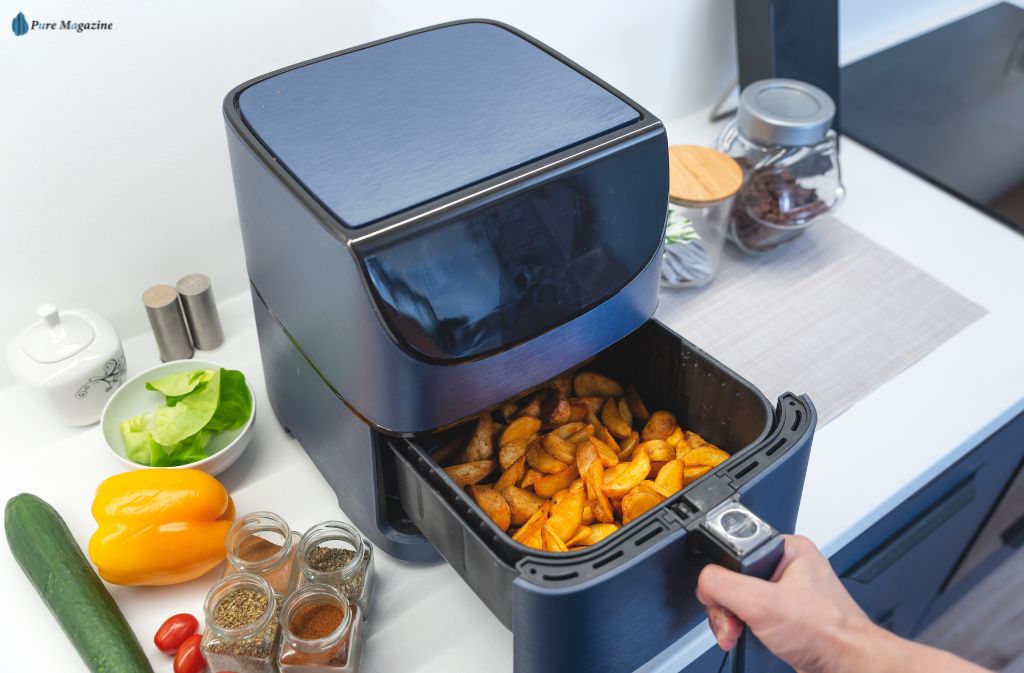
One shift that’s helped loads of people is changing how meals are cooked. Something like an air fryer can make your usual favourites feel lighter without losing what makes them comforting. Same crispy texture, same taste, just without that heavy feeling afterwards.
What “Healthy” Really Means
For years, we’ve been told that healthy eating is all about what you can’t have. Don’t eat this. Avoid that. Follow these rules perfectly or you’ve failed.
No wonder it’s stressful.
Balance matters more than perfection. So does actually enjoying your food. Because if eating becomes miserable, you won’t stick with it.
Comfort food can absolutely fit into a healthy lifestyle. It just needs a bit of a rethink.
Why Comfort Food Actually Matters
There’s a reason certain foods feel comforting. They’re warm. They’re filling. They remind you of Sunday dinners at your nan’s.
When you try to cut these foods out completely, you end up ping-ponging between being super strict and then completely overdoing it. You deprive yourself, then you binge, then you feel guilty. It’s exhausting.
When you let yourself enjoy comfort food without the guilt? That cycle breaks.
The goal isn’t to turn every meal into a maths problem. It’s about enjoying what you love without feeling terrible afterwards.
Small Changes That Actually Stick
You don’t need to throw out your entire kitchen or become a completely different person overnight. Big dramatic changes rarely stick.
Start with how you cook. That chicken you’d usually deep fry? Try it with less oil. You’ll still get that crispy bit everyone loves.
Portion sizes matter too, but not in a “weigh everything” kind of way. More like, chuck some extra veg on the plate. Swap the side. Mix things up throughout the week.
Same Food, Different Feel
Think about your favourites. Roast potatoes. Breaded chicken. Proper chips. These get branded as “bad” foods, but they’re what most of us actually want to eat.
Here’s the thing: if you cook them differently, using less oil or letting the fat drain off, they don’t sit in your stomach like a brick afterwards. They still taste right. They’re still satisfying. You just don’t need a nap an hour later.
And if you’re someone who gets that horrible energy slump after lunch? This kind of change can make a real difference.
Healthy Doesn’t Mean Miserable
One of the biggest myths about eating well? That it has to be boring to work. Dry salads. Tasteless chicken. Food that feels like punishment.
But think about it. When something tastes good, you actually pay attention to it. You eat slower. You notice when you’re full. You enjoy the whole experience instead of just shovelling it down.
Food that feels like a treat, not a chore, is much easier to stick with. Who knew?
It’s Not Just About Your Body
Food and how you feel mentally are more connected than you might think. When you’re constantly restricting what you eat, stress goes up. Anxiety creeps in. You feel like you’re failing at something you should find easy.
But comfort food, when you let yourself have it without the guilt trip? It can actually be quite grounding. Not in a “I’m eating my feelings” way, but in a “this is normal and okay” way.
Even the act of cooking something familiar can be calming. There’s something about making a meal you’ve made a hundred times before that just feels steadying, especially when life’s a bit chaotic.
What This Looks Like in Real Life
Healthy comfort food isn’t complicated. It’s often just small tweaks.
Jacket potato with plenty of veg alongside the cheese. Crispy chicken with a big salad and some decent dressing. Roasted vegetables that are actually seasoned properly.
You’re building a plate that feels satisfying, not like you’re punishing yourself.
And having tools in your kitchen that make cooking easier? That’s huge. When it doesn’t feel like a massive faff, you’re way more likely to actually do it. Consistency matters more than perfection.
Drop the Guilt Already
Here’s the most important bit: stop feeling guilty about food. Seriously. Guilt doesn’t make anything healthier. It just makes eating more stressful and complicated than it needs to be.
When you stop labelling everything as “good” or “bad,” something shifts. You can actually listen to what your body’s telling you instead of what some diet culture nonsense says you should be doing.
Comfort food is just food. Not a moral failing. Not something you need to earn or justify. Just food.
The Bottom Line
Healthy eating doesn’t need to be perfect. It needs to work with your actual life. Busy evenings. Days when you’re knackered. Times when you just need something familiar and comforting.
Focus on how you prepare food rather than constantly policing what’s on your plate. That’s how you build habits that feel supportive instead of restrictive.
You don’t have to give up the meals you love. You just need to find ways to enjoy them that work for you.
When comfort and health stop being opposites, food becomes what it’s meant to be: something that nourishes you and makes you feel good. Not one or the other. Both.
For more, visit Pure Magazine