


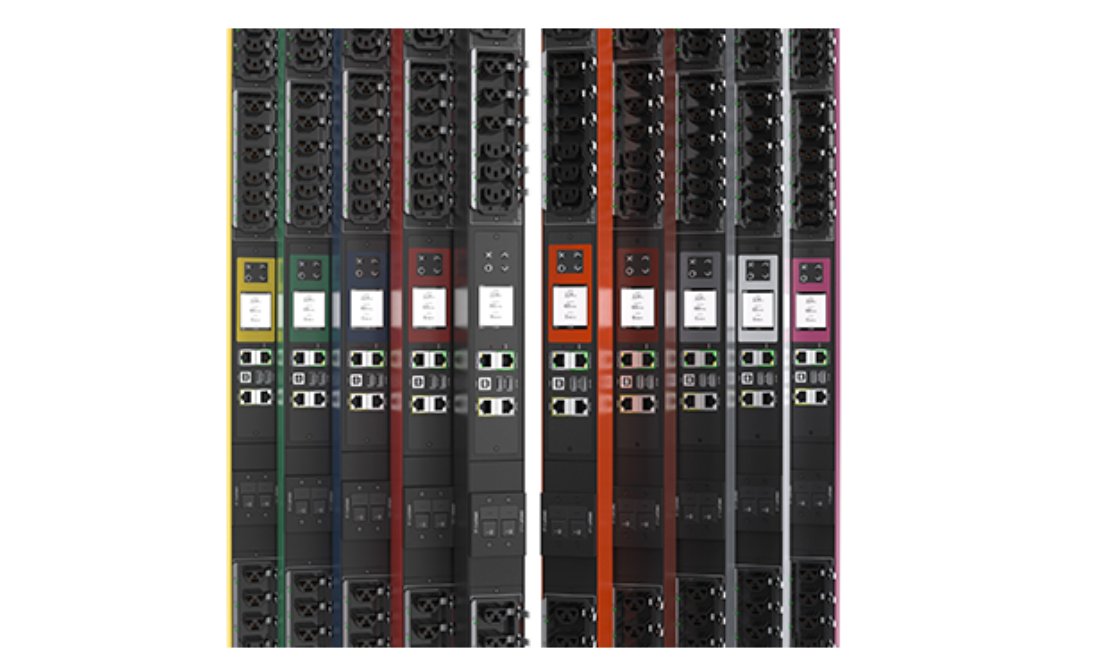
Building a resilient and scalable infrastructure has become a top priority for businesses that rely on uninterrupted digital operations. As data needs surge and computing environments grow more complex, the tools that support these systems must also evolve. One of the most critical components in a modern data center is the rack PDU. Far from being a simple power strip, today’s advanced models offer smart features that help organizations optimize power usage, reduce downtime, and improve overall efficiency. Understanding how to leverage these innovations is key to future-proofing your infrastructure and staying ahead in a fast-changing digital world.
Why Modern Infrastructure Depends on Intelligent Power Management
Businesses now run applications that require real-time processing, consistent uptime, and highly efficient energy use. As a result, every aspect of infrastructure must support these demands. This is where intelligent power distribution becomes essential. A traditional power system cannot provide the level of insight or control needed to optimize performance. With an advanced rack PDU, organizations gain the ability to monitor energy consumption, automate responses to power events, and scale seamlessly as their environments expand.
Intelligent power management is no longer reserved for large enterprises. Even small and midsize businesses are adopting smarter systems because they prevent costly downtime and allow more predictable planning. With IT environments becoming more diverse and distributed, integrated monitoring and advanced automation have become must-have capabilities.
Understanding the Shift From Basic to Advanced Rack PDUs
The evolution of the rack PDU reflects the broader shift in data center environments. Basic models once delivered simple power distribution, offering little more than functional outlets. Today’s advanced versions integrate sensors, network connectivity, environmental monitoring, and remote management tools.
Several key trends have accelerated this transition:
- Rising energy costs have created pressure to understand and reduce power consumption.
- Higher computing density demands more precise power allocation and heat management.
- Remote operations require tools that can be monitored and controlled without physical access.
- Predictive maintenance has become a crucial part of reducing downtime and optimizing hardware lifecycle.
This shift means organizations now expect their power distribution units to provide insights instead of just electricity. By adopting advanced models, businesses can prevent overloads, extend equipment life, and align power usage with real-time needs.
Key Features That Make Advanced Rack PDUs Future-Ready
Selecting the right rack PDU involves more than confirming outlet count or form factor. Advanced models come with features designed to support scalability and long-term efficiency. These capabilities are what make them an ideal choice for organizations preparing for future growth.
- Remote Monitoring and Control
Modern IT environments rely heavily on remote management. Advanced units allow administrators to view power usage, environmental conditions, and device status from anywhere. Remote outlet control also enables teams to reboot devices without visiting the site. - Real-Time Energy Monitoring
Accurate power usage data helps identify trends and inefficiencies. With detailed measurements at the inlet, outlet, or branch level, teams can improve capacity planning and keep energy spending under control. - Environmental Sensors
Temperature and humidity are among the biggest threats to rack equipment. Advanced units integrate environmental sensors that alert teams when thresholds are exceeded. This makes it easier to detect cooling issues early and prevent hardware damage. - High-Density Support
As racks become more crowded to maximize space, power distribution must keep up. Advanced systems handle higher loads while maintaining stability and safety, which is essential for high-performance computing environments. - Network Integration
Support for common management protocols allows seamless integration with existing monitoring software. This unified visibility makes it easier to manage large-scale deployments. - Modular and Scalable Design
Modular rack PDU options provide flexibility for growing environments. Instead of replacing entire units, businesses can upgrade or reconfigure components as requirements change.
These features not only enhance present-day performance but also help organizations prepare for future challenges.
The Role of Rack PDUs in Improving Operational Efficiency
Efficiency is one of the strongest advantages of adopting advanced power distribution systems. Teams are no longer reacting to power issues blindly. Instead, they leverage precise data to make informed decisions.
A smart rack PDU helps streamline operations in several ways:
- It reduces the risk of accidental overloads by alerting teams before issues escalate.
- It enables more balanced power distribution across devices.
- It helps optimize cooling strategies by identifying hot spots.
- It shortens response time during power events through remote management.
This level of proactive management leads to more stable environments and fewer disruptions. In high-demand industries where downtime is costly, even small improvements in power management can have a major impact.
Enhancing Scalability With Smarter Power Distribution
As businesses grow, so do their infrastructure needs. Scalability is a major reason organizations choose advanced rack power solutions. With modular designs and data-driven insights, expanding or adjusting power capacity becomes much simpler.
When planning for scalability, consider how these factors influence long-term readiness:
- Space constraints can be managed by selecting vertical units that optimize rack real estate.
- Workload expansion becomes easier when outlet-level monitoring shows exactly where capacity is available.
- Power redundancy ensures that growth does not compromise uptime.
By understanding current usage patterns and predicting future needs, advanced rack PDUs make scaling a smooth and predictable process.
Improving Resilience and Reducing Risk
A future-ready infrastructure must be resilient. Businesses face increasing risks from power failures, overheating, equipment overloads, and human error. Advanced power distribution units reduce these risks by combining safety, automation, and analytics.
Risk reduction strategies include:
- Automated alerts that warn teams of abnormalities
- Built-in surge protection and safe startup sequencing
- Redundancy for critical equipment
- Historical data analysis to detect unusual patterns
These capabilities help create a stable foundation for growth, ensuring that power-related issues do not disrupt critical operations.
How to Choose the Right Rack PDU for Long-Term Value
Selecting the right unit involves evaluating both technical and operational needs. While price and outlet count are important, long-term value comes from choosing a system that aligns with your infrastructure goals.
Key considerations include:
- The required monitoring level
- Expected rack density
- Environmental conditions
- Power redundancy requirements
- Compatibility with existing management systems
It is also important to choose a solution with strong vendor support and a track record of reliability. A well-designed rack PDU can remain a core part of your infrastructure for years, making quality and scalability essential.
Preparing for the Future With Smarter Power Strategies
Power distribution is no longer a simple, behind-the-scenes function. It plays a central role in efficiency, sustainability, and operational resilience. Businesses that invest in advanced rack power technology position themselves for success in an increasingly digital world.
By integrating smart monitoring, automation, and predictive insights, organizations can stay ahead of evolving demands and ensure their infrastructure remains robust and adaptable. As technology continues to advance, the businesses that prioritize intelligent power management will be the ones best equipped to handle future challenges and growth opportunities.
For more, visit Pure Magazine