


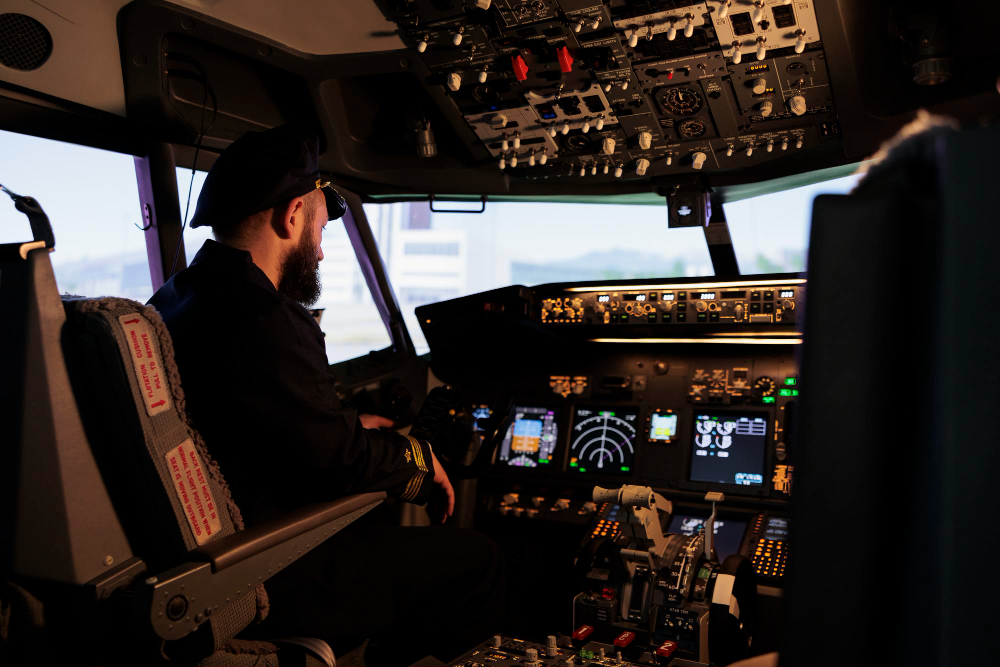
The aviation industry is one of the most dynamic and far-reaching sectors in the world, connecting countries, cultures, and economies. While many people immediately think of pilots when considering aviation careers, the industry offers a wide range of professional paths that extend far beyond the cockpit. From managing aircraft on the ground to ensuring passenger safety in the air, aviation careers suit a variety of skills, interests, and educational backgrounds. Let’s explore the many opportunities available across this exciting field.
Pilot Careers: The Face of Aviation
Pilots are often seen as the heart of the aviation industry. Responsible for flying aircraft safely and efficiently, they undergo extensive training and certification. Career options include commercial airline pilots, cargo pilots, charter pilots, and even roles in emergency services or corporate aviation. Training typically involves flight hours, licensing exams, and continuous skill development. Aspiring pilots may choose specialized training institutions, such as a pilot school in Dallas, to gain the required experience and certifications.
Air Traffic Control: The Guardians of Zthe Sky
Behind every successful flight is a team of air traffic controllers ensuring safe distances between aircraft and smooth takeoffs and landings. This role is high-responsibility and fast-paced, requiring excellent concentration, communication skills, and decision-making abilities. Air traffic controllers work in control towers and radar facilities, guiding aircraft through all phases of flight. While demanding, the career offers strong job stability and competitive compensation.
Aircraft Maintenance and Engineering
Aviation safety relies heavily on skilled maintenance technicians and engineers. These professionals inspect, repair, and maintain aircraft to meet strict regulatory standards. Roles range from avionics specialists and mechanical engineers to maintenance planners. This career path is ideal for those who enjoy hands-on technical work and problem-solving. With aircraft technology constantly evolving, maintenance professionals are always in demand.
Cabin Crew and In-Flight Services
Cabin crew members play a vital role in passenger comfort and safety. Their responsibilities include safety demonstrations, emergency response, and customer service throughout the flight. This career is well-suited for individuals with strong interpersonal skills, adaptability, and a passion for travel. Cabin crew positions also offer opportunities for international exposure and career advancement into supervisory or training roles.
Airport Operations and Management
Airports function like small cities, requiring professionals to manage operations, logistics, security, and customer experience. Careers in airport management include operations coordinators, safety officers, terminal managers, and planning specialists. These roles ensure that airports run efficiently while complying with safety and regulatory standards. A background in business, logistics, or aviation management can be beneficial for this path.
Aviation Safety and Security
Safety is the backbone of aviation. Careers in this area include aviation safety inspectors, compliance officers, and security specialists. These professionals develop and enforce safety protocols, conduct audits, and respond to incidents. Their work ensures that airlines and airports meet national and international regulations, making aviation one of the safest modes of transportation.
Aerospace and Aviation Technology
With advancements in automation, sustainability, and digital systems, aviation technology careers are growing rapidly. Professionals work on flight simulation, aircraft design, data analytics, and unmanned aerial systems (drones). This path is ideal for those with backgrounds in engineering, IT, or data science who want to shape the future of aviation innovation.
Education and Training Roles
Experienced aviation professionals can transition into teaching, training, or consulting roles. Flight instructors, technical trainers, and aviation lecturers help prepare the next generation of industry professionals. These roles allow individuals to share their expertise while staying connected to the aviation world.
Choosing the Right Path
Selecting an aviation career depends on personal interests, strengths, and long-term goals. Some roles require significant training and certification, while others emphasize management, technology, or customer service. What unites them all is a shared commitment to safety, precision, and teamwork.
Final Thoughts
The aviation industry offers far more than just flying planes. From the cockpit to the control tower and beyond, it provides diverse, rewarding career paths with global impact. Whether you’re drawn to technical work, leadership, or hands-on operations, aviation presents opportunities to build a career that truly takes you places.
For more, visit Pure Magazine