


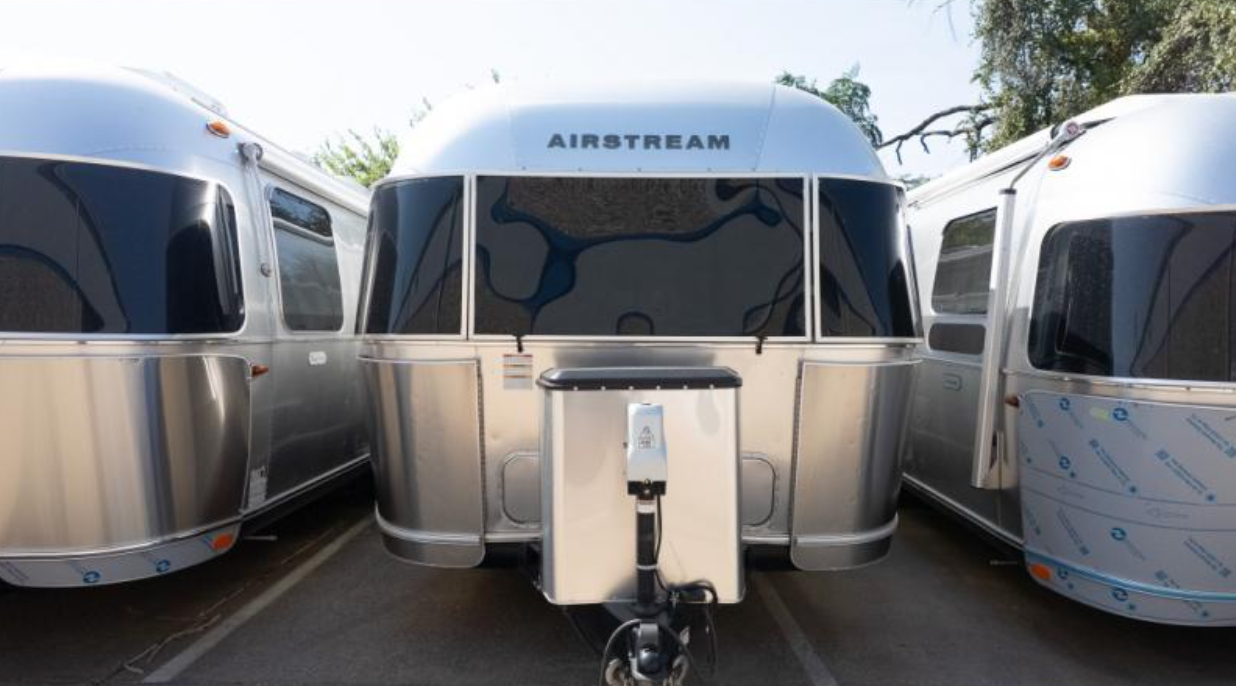
Buying a new motorhome in Texas is not just a purchase; it’s the start of a lifestyle. With wide open roads from the Hill Country to the Panhandle, long travel distances, and intense heat during the summer months, Texans face unique challenges when selecting the right motorhome.
Understanding the key features is critical before you commit. Choosing from New RVs in DFW at a trusted dealer ensures you benefit from full warranty coverage, state‑of‑the‑art systems, and brand-new condition, but only if you know how to compare and choose wisely.
While exploring life on the road in your diesel pusher motorhome, finding cozy stops along the way makes the journey even better. If you love discovering unique coffee spots, check out Best Cafes UK for inspiration on charming cafes and inviting atmospheres
Motorhome Types and Floor Plans
When you stroll a Texas dealership lot, you’ll mostly see three classes of motorhomes: Class A, Class B, and Class C. Each offers distinct trade‑offs.
- Class A motorhomes are built on a bus or heavy‑truck chassis and often provide the most living space, multiple slide‑outs, larger kitchens, and bathrooms.
- Class B units (also called camper vans) are the smallest motorized RVs, easy to drive and park, but with more limited interiors and storage.
- Class C units fall in the middle: built on a cutaway van or truck chassis, often featuring a cab‑over bunk, offering more sleeping capacity than a Class B, but less space and amenities than a Class A.
Floor‑plan considerations:
- Sleeping capacity: Families or friends will need bunk areas, multiple beds, or convertible furniture.
- Kitchen layout: Does it include a full‑size fridge, oven/stove, microwave, and decent counter space?
- Bathroom setup: Full shower, separate toilet and vanity, or a “wet bath”? The more comfort you want, the more you’ll pay.
- Storage & slide‑outs: Slide‑outs increase living space when parked; exterior storage matters especially for Texas outdoor gear.
Choosing the right class and floor plan sets the stage for comfort and usability on Texas roads.
Engine and Performance Features
The engine and chassis you choose will affect your travel experience significantly, especially in Texas, where long highway drives, towing, hills, and big mileage come into play.
Diesel vs Gas engines:
- Gas‑engine motorhomes tend to cost less upfront and have easier service accessibility. They’re often used in smaller motorhomes.
- Diesel engines are more durable, have higher torque (better for towing or climbing hills), and tend to hold resale value better. For example, one source notes that properly maintained diesel motorhomes can exceed 400,000 miles compared to 150,000–200,000 for gas ones.
- Diesel may require specialized servicing and cost more per service event.
Fuel efficiency, power, and reliability: When buying new, the latest motorhome models will come with improved engines, power trains, and possibly better fuel economy than older units. Given the distances in Texas and the possibility of towing a car or boat, engine performance matters a lot.
If your travel involves heavier loads, full‑time use, or extensive towing, opting for a diesel motorhome can be worth the extra upfront cost. If your use is light and you prefer ease and lower initial cost, a gas model might suffice.
Comfort and Living Amenities
Comfort and livability are where a new motorhome really shines, especially given Texas’s climate and the long trips you might take.
- Climate control:
In Texas summers, good air‑conditioning, insulation, and ventilation are essential. Some newer RVs include climate‑shield options (heated under‑belly, reflective insulation) tailored for extreme weather. - Furniture, storage, sleeping arrangements:
Comfortable sleeping (king or queen bed, bunk‑areas, convertible sofas) and generous storage for gear and clothing make a difference when you’re on the road for days or weeks. - Kitchen appliances and bathroom setup:
A full‑size refrigerator, oven/stove, good cabinetry, and counter space improve daily living. For bathrooms, a decent shower, separate toilet/vanity, and water‑holding capacity matter, especially in remote or hot areas where you’ll rely on systems for days. - Entertainment and connectivity:
Modern motorhomes include upgraded entertainment systems, streaming capability, Bluetooth audio, and may include Wi‑Fi boosters or connectivity features. For new models, factory‑installed options often work better and may come with warranties.
When buying new, you get the benefit of untouched interiors and up‑to‑date living amenities, so look for premium finishes, durable materials, and features built to last.
Safety and Technology Features
New motorhomes often incorporate technological advances that enhance both safety and convenience, a major benefit when you’re traveling on Texas highways or in remote areas.
- Backup cameras and tire‑pressure monitoring systems (TPMS):
Backup cameras are practically standard on newer coaches, improving maneuvering and safety. For example, dedicated systems show real‑time video and eliminate blind spots.
TPMS monitors tire pressure and temperature and helps avert blow‑outs or tire failures, important for large motorhomes under heavy load. - Smart RV systems and navigation:
Many new motorhomes include app‑based control for lighting, climate, slide‑outs, tank monitoring, and more, making life easier on the road and campsite. - Solar integration and energy management:
New models may offer factory‑installed solar packages or energy‑efficient appliances, worth considering if you boondock (camp without hookups) or travel to remote Texas locations.
When shopping at a Texas dealer, ask for a demo of the tech systems and verify warranty coverage for the electronics and components.
Warranty and Dealer Support
One of the most compelling reasons to buy a new motorhome from a reputable Texas dealer is the warranty and after‑sales support.
- Manufacturer warranties: New RVs typically come with structural and component warranties that protect against defects in materials or workmanship.
- Dealer service and maintenance: A dealer that provides robust service support helps you maintain your investment. For Texas owners, access to local service centers, mobile technicians, and warranty claim handling makes a difference.
Before you sign, ask about: which parts are covered, how long, what exclusions apply, where you go for service, and how warranty claims are handled.
Optional Upgrades and Customization
Buying new gives you an opportunity to customize your motorhome to your lifestyle,whether frequent Texas road trips, family vacations or full‑time living.
- Exterior upgrades: Consider slide‑outs (for more living space when parked), advanced awnings, automatic leveling systems, upgraded hitches or towing prep.
- Interior upgrades: Premium flooring, upgraded cabinetry, larger appliances or premium entertainment systems.
- Green/energy upgrades: Solar packages, upgraded batteries, LED lighting, better insulation for both hot Texas summers and cool nights.
- Resale impact: Upgrades can boost usability and comfort, but make sure they are dealer‑approved or factory‑installed (to keep warranty intact). Also consider how upgrades might affect resale value later.
Buying new means you can choose the options you care about up‑front, rather than retrofitting later.
Conclusion
Choosing a new motorhome from a Texas dealer is a significant investment, but one that can pay off in lifestyle, comfort, and resale value. By focusing on the right features, type, and floor plan, engine and performance, comfort and livability, safety and tech, warranty and service support, and optional upgrades, you put yourself in a strong position to pick the right unit for your travels. If you’re shopping in Texas, working with a well‑established local dealer ensures you access these advantages plus local knowledge of weather, travel routes, and service networks. Take your time, inspect the models carefully, and let the features speak for themselves. With the right choices, you’ll be heading toward memorable road trips across Texas with confidence.
For more, visit Pure Magazine
