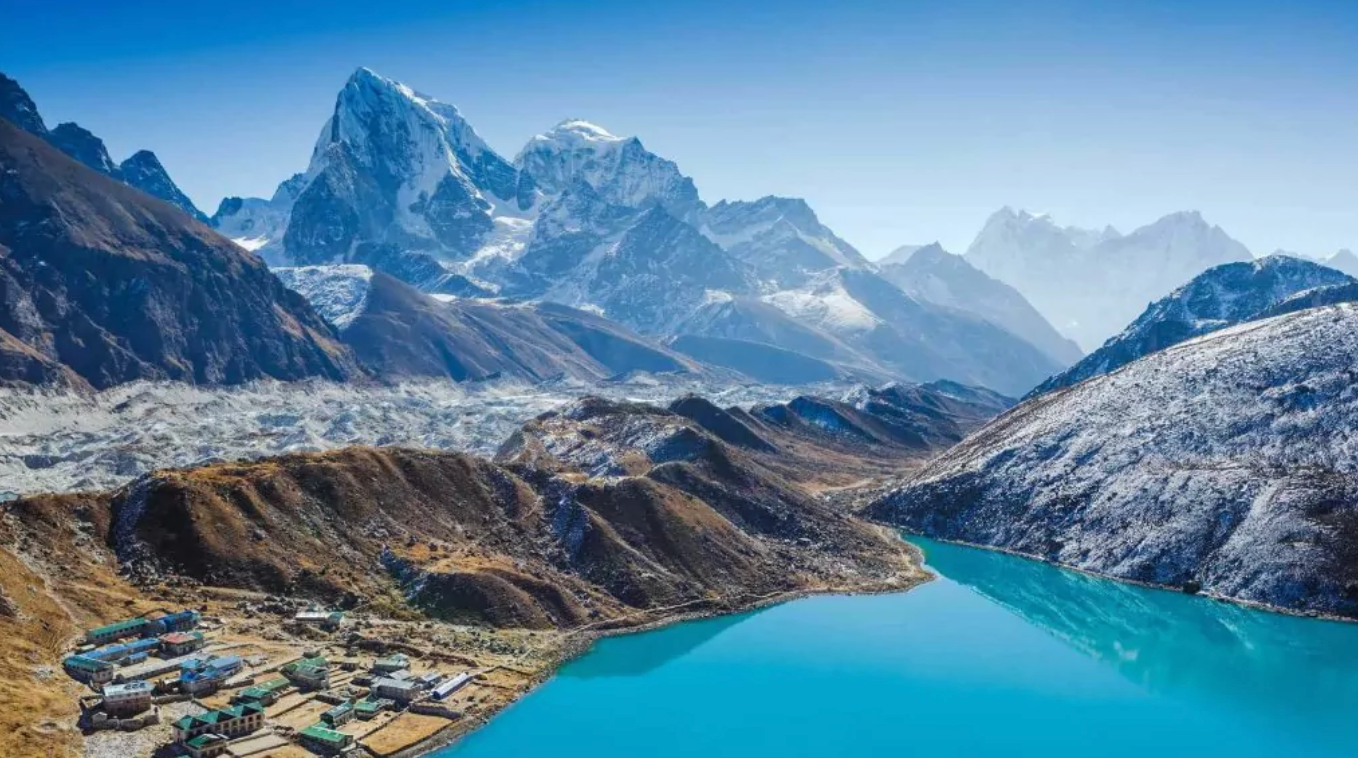
The Everest region is a popular tourist destination for people all over the world, due to the wonderful alpine landscape and iconic hiking trails that end at the highest point on Earth. There is more to the region than just gigantic peaks and stunning glaciers. It is an area of a vast ecosystem that supports life forms that exist in a wonderful and delicate way.
The region features snow leopards on steep ridges while Himalayan tahr graze on rocky slopes. The Himalayan Valleys transform into colorful displays of rhododendrons and other alpine flowers during the spring season. Each river bend, rocky outcrop and forested area contains plants and animals that have developed special abilities to thrive in some of Earth’s most extreme environments.
The environmental elements create an experience that extends beyond physical testing for naturalists, wildlife enthusiasts and high-altitude expeditioners. The complete system of life that exists in the region requires understanding its microhabitats that support alpine mosses and its mountain carnivores that maintain predator-prey relationships to gain deeper knowledge that guidebooks do not provide.
The Himalayas teach people that they must use both scientific knowledge and artistic skills to stay alive. Steep cliffs provide plants with their growing space while animals develop special skills that allow them to survive in extremely cold environments and times of food scarcity. The indigenous people of the area maintain a peaceful relationship with their environment. They practice ancient customs while adapting to contemporary trekking and expedition tourism.
The first hand experience of witnessing these adaptations increases your understanding and appreciation of nature. It enables you to see mountain trails, frozen lakes and high altitude passes through new perspectives.
Unique Wildlife of the Khumbu Region
The Everest region extreme altitude conditions form distinct ecosystems which host different plant and animal species. These creatures have developed unique survival skills which enable them to stay alive in the harsh mountain environment.
Wildlife sightings can vary from short lived encounters to unforgettable ones.
- Snow Leopard – Rare and elusive. It lives in mountainous regions above 4000 meter elevation.
- Himalayan Tahr – These mountain goats have thick fur. They are usually seen feeding on grass that grows on steep mountain slopes.
- Red Panda – These animals inhabit lower temperate forests. They are rarely seen but unforgettable when encountered.
- Himalayan Monal – It is Nepal’s national bird. Its shiny feathers catch the light, making it visible from the edge of the forest.
Alpine Flora
The mountain zones above 3000 meters only support the existence of the most resistant plant species. The Everest region exhibits unexpected vegetation growth during its summer months.
The main points of interest are:
- Rhododendrons – The lower alpine forests of springtime display their pink, red and white flowers which dominate the region.
- Juniper and Birch Trees – They provide shelter and food for bird, insect and animal species.
- Medicinal Herbs – Local communities collect plants such as Yarsagumba which is known as caterpillar fungus and Cordyceps to use in their traditional medical practices.
- Alpine Grasses and Mosses – These plants function as essential components which help maintain soil stability while serving as food sources for yaks and other grazing animals.
The plants support the ecosystem functions while creating beautiful landscapes which trekkers and expeditioners can enjoy during their Himalayan journey.
Experiencing Flora and Fauna During Treks and Expeditions
You can experience the beauty of nature through treks and expeditions which require proper timing and route selection together with local expertise. Well knoen treks in the region such as the classic Everest Base Camp, ultimate Three Passes Trek and the hidden Gokyo Lake Trek all pass through different ecosystems which enable hikers to see various animal and plant species.
- The Sherpas and naturalist guides who accompany you on your journey know where wildlife can be seen while keeping their natural habitat and behavior intact.
- Bring a field journal to record sightings of birds, mammals and rare alpine plants.
- Keep a safe distance from animals and avoid feeding them.
- The spring and autumn seasons produce active wildlife together with floral blooms while winter displays special snow-adapted species.
Mini story: A guide showed us the Himalayan monal on a ridge during an Ama Dablam expedition. We paused and simply observed it for a while. This brief encounter created one of the trip’s most amazing memories.
Conservation and Responsible Exploration
Trekking activities together with climate change effects put growing stress on the sensitive ecosystem of the Everest region. The organizations in Sagarmatha National Park conduct wildlife monitoring activities while they protect trails and promote sustainable tourism methods.
As a visitor, you should reduce waste and choose biodegradable materials for your products. The practice of walking on designated paths helps to stop soil erosion from occurring. Travelers should choose eco-friendly accommodations together with environmentally responsible trekking companies.
Likewise, the responsible observation of plants and animals will allow future trekkers and expeditioners to experience the same natural beauty.
For more, visit Pure Magazine