


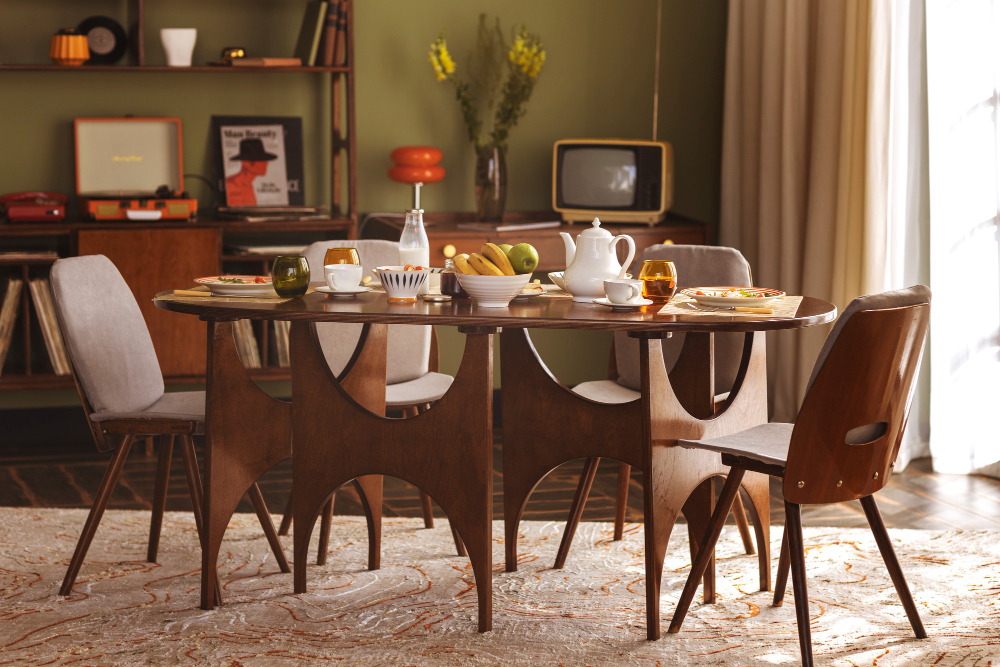
True style isn’t about being on-trend, it’s about being beyond trend. Ercol understood this long before “timeless design” became a marketing buzzword. Since 1920, the British furniture maker has pursued a singular vision: create pieces so well-made and thoughtfully designed that they transcend the moment they were born into. It’s a philosophy you can sit on, dine at, and pass down to your children, embodied in every curve of steam-bent elm and every carefully joined mortise.
A Legacy Built on Steam and Skill
Founded by Lucian Ercolani in 1920, Ercol emerged from a deep respect for traditional furniture-making techniques. The Italian-born craftsman brought his expertise to High Wycombe, England’s historic furniture-making hub, where he revolutionized British design. Ercolani’s innovation lay in adapting Windsor chair-making traditions with steam-bending techniques, coaxing solid elm and beech into graceful curves without compromising strength. This approach created furniture that was both beautiful and remarkably durable—pieces built to last not just years, but lifetimes.
The brand’s evolution through the mid-20th century saw them embrace clean, modernist lines while maintaining their commitment to traditional joinery and natural materials. This fusion created what we now recognize as quintessentially Ercol furniture: organic yet refined, simple yet sophisticated.
The Icons That Define Timelessness
Certain Ercol pieces have achieved iconic status, appearing in design museums and contemporary homes alike. The Windsor Collection, particularly the Goldsmith chair with its distinctive spindle back, represents Ercol’s design DNA. Its elegant proportions and comfortable curves make it equally at home around a dining table or as a standalone accent piece.
The Studio Couch, with its distinctive cushioned platform and exposed wooden frame, exemplifies mid-century versatility. Originally designed as a space-saving daybed for compact post-war homes, it now serves as a stylish sofa that bridges vintage charm with modern minimalism. Its clean lines and honest construction showcase wood grain as a design feature rather than something to hide.
Perhaps no piece captures Ercol’s sculptural sensibility better than the Butterfly Chair. Named for its graceful winged backrest, this chair demonstrates how ergonomic design can be visually striking. The continuous curve of steam-bent wood creates both comfort and visual interest—a functional sculpture that invites you to sit.
The Nest of Tables, affectionately known as Pebble Tables for their organic shapes, represent practical design at its finest. These stacking tables solve the modern problem of flexible living spaces while adding warmth through their natural wood finish and smooth, tactile surfaces.
Why They Endure
Ercol’s timeless appeal stems from several factors that contemporary furniture often lacks. First, there’s the quality of construction. Mortise-and-tenon joints, carefully selected hardwoods, and meticulous finishing mean these pieces are built to survive moves, renovations, and evolving tastes. Unlike flat-pack furniture, Ercol ages gracefully—scratches and patina only add character.
The designs themselves possess a rare versatility. An Ercol Windsor chair complements a rustic farmhouse table as beautifully as it does a glass-and-chrome contemporary dining set. The natural materials and unfussy silhouettes act as neutral anchors that ground eclectic interiors without dominating them. This adaptability means Ercol pieces move seamlessly from room to room, home to home, even generation to generation.
There’s also an investment dimension. Vintage Ercol has developed a robust collector’s market, with certain pieces appreciating significantly in value. A well-maintained Studio Couch or set of original Windsor chairs can command impressive prices, making them not just furniture but financial assets that appreciate while serving daily use.
Living with Ercol Today
Incorporating Ercol into contemporary spaces requires a light touch. The key is contrast—pairing the warm, organic quality of the wood with modern materials like concrete, metal, or glass. A Studio Couch looks stunning against a plain white wall with abstract art, while Windsor chairs gain impact when mixed with more contemporary seating around a modern table.
Avoid creating a time capsule. Ercol pieces shine brightest when they’re the vintage element in an otherwise contemporary room, not when surrounded by period-perfect accessories that can feel dated or museum-like.
For those seeking authentic pieces, the vintage market offers treasures, though careful authentication is essential. Look for the Ercol stamp or label, typically found underneath seats or on drawer bottoms. Original pieces show signs of hand finishing and quality joinery. The current Ercol company also produces faithful reproductions of classic designs, offering a compromise between vintage authenticity and modern manufacturing consistency.
The Sustainable Choice
In today’s climate-conscious world, Ercol’s longevity represents the ultimate sustainability. Furniture that lasts a century doesn’t fill landfills or demand constant replacement. The solid hardwood construction can be refinished, reupholstered, and restored, extending its life indefinitely. This approach, buying quality once rather than cheap furniture repeatedly, aligns perfectly with modern values of conscious consumption.
Ercol furniture endures because it was never designed to be trendy. Instead, these pieces embody principles that transcend time: honest materials, thoughtful proportions, and construction that prioritizes longevity over profit margins. In a world increasingly focused on sustainability and authenticity, Ercol’s century-old philosophy feels remarkably contemporary. These aren’t just classic pieces that never go out of style, they’re proof that truly good design never had to be in style to begin with. It simply is.
For more, visit Pure Magazine