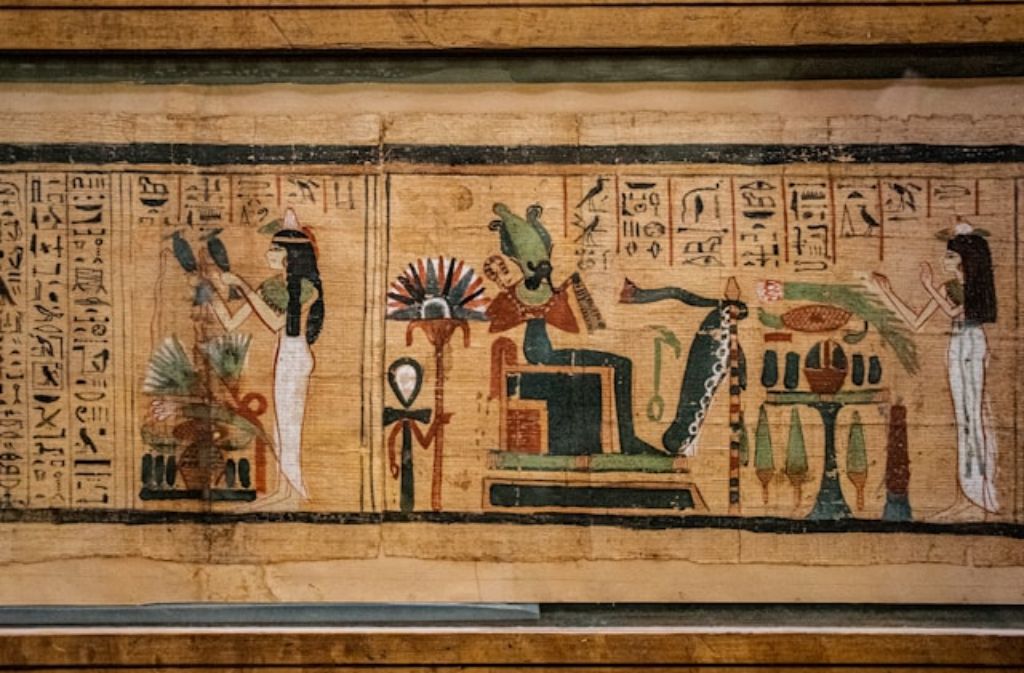
There’s something utterly magnetic about Egypt. Perhaps it’s the pyramids that have stood sentinel over the desert for over 4,500 years, or the treasures of Tutankhamun glittering behind museum glass, or simply the romance of cruising down the Nile as ancient pharaohs once did. Whatever draws you, Egypt delivers an experience that transcends ordinary travel—standing before monuments that predate most of human civilization creates a profound sense of perspective. From Cairo’s chaotic energy to Luxor’s temple-lined banks, from the Sahara’s endless dunes to the Red Sea’s coral gardens, Egypt offers a journey through time itself.
Cairo: Where Ancient Meets Urban Chaos
Cairo assaults the senses in the best possible way. This sprawling metropolis of over 20 million people pulses with an energy that never quite settles. Minarets punctuate the skyline, the call to prayer echoes five times daily, and traffic flows in patterns that seem to defy logic yet somehow function. The city centre buzzes with street vendors, coffee houses filled with locals playing backgammon, and restaurants serving kushari—Egypt’s beloved street food of rice, lentils, pasta, and crispy onions.
The Egyptian Museum in Tahrir Square houses the world’s most comprehensive collection of pharaonic antiquities. Walking through its galleries feels like stepping into an ancient civilization’s treasure chest. The Tutankhamun collection alone occupies numerous rooms, displaying the boy king’s golden death mask, ornate furniture, chariots, and the myriad objects buried with him for the afterlife. The museum’s somewhat chaotic organization, with artifacts seemingly everywhere, adds to its charm, though the new Grand Egyptian Museum near the pyramids will eventually house many of these treasures in more modern facilities.
Islamic Cairo reveals a different historical layer. The Citadel, built by Saladin in the 12th century, offers panoramic city views and houses the stunning Mohammed Ali Mosque with its Ottoman-inspired architecture. Khan el-Khalili bazaar, established in the 14th century, remains Cairo’s commercial heart. Navigating the narrow lanes filled with spice vendors, perfume sellers, and craftsmen requires bargaining skills and patience, but uncovering treasures—handcrafted lamps, silver jewelry, or aromatic oils—makes the effort worthwhile. Sipping mint tea at Fishawi’s Café, which has operated continuously since 1769, provides respite and people-watching opportunities.
The Pyramids: Beyond the Postcard
Nothing quite prepares you for the first glimpse of the Pyramids of Giza. You’ve seen countless photographs, but standing before these monuments to human ambition and engineering genius creates an almost surreal moment. The Great Pyramid of Khufu, built around 2560 BC, originally stood 146 meters tall and remained the world’s tallest structure for nearly 4,000 years. The precision of the construction, with massive limestone blocks weighing up to 80 tons, continues to astound archaeologists and engineers.
The Sphinx guards the pyramid complex with its enigmatic expression. Despite losing its nose to unknown causes centuries ago, the statue radiates mystery and majesty. Visiting at sunrise or sunset provides more dramatic lighting and fewer crowds, though the site never quite empties—these monuments attract visitors year-round, and rightfully so.
Venture beyond Giza to discover lesser-known pyramid complexes. Saqqara, about 30 kilometers south, houses the Step Pyramid of Djoser, the world’s oldest stone monument, dating to around 2670 BC. The site sees fewer tourists than Giza, allowing more contemplative exploration. The recently opened burial shafts and tombs at Saqqara reveal remarkably preserved wall paintings in vivid colors that seem impossibly fresh after millennia underground.
Cruising the Nile: Life on Egypt’s Lifeline
A Nile cruise between Luxor and Aswan offers a uniquely relaxed way to experience Egypt. These multi-day journeys stop at major temple sites while providing perspectives on rural Egyptian life along the riverbanks. Watching farmers work fields using methods unchanged for centuries, seeing children wave from village homes, and observing traditional feluccas with their white sails gliding past creates connections to Egypt’s timeless rhythms.
The Temple of Edfu, dedicated to the falcon god Horus, ranks among Egypt’s best-preserved temples thanks to being buried under sand and silt until the 19th century. The Temple of Kom Ombo, unique for being dedicated to two gods—Sobek the crocodile god and Horus—sits dramatically on a bend in the Nile. Evening illumination of temples creates atmospheric experiences quite different from daytime visits.
Aswan, the cruise endpoint, offers a more relaxed pace than Cairo or Luxor. The Nubian community here maintains distinct cultural traditions, language, and colorful architecture. Visiting a Nubian village provides insights into this often-overlooked culture. The Philae Temple, relocated to Agilkia Island to save it from the Aswan Dam’s waters, demonstrates international cooperation in preserving heritage. Evening sound and light shows here tell the temple’s story through illumination and narration.
The Red Sea: Egypt’s Underwater Treasures
Egypt’s Red Sea coast offers completely different experiences from the historical sites. Sharm el-Sheikh, Hurghada, and Dahab attract divers and snorkelers to some of the world’s finest coral reefs. The underwater ecosystem here rivals the historical sites in wonder, with vibrant coral gardens, schools of tropical fish, and regular sightings of dolphins, turtles, and even whale sharks during certain seasons.
The diving opportunities range from beginner-friendly shallow reefs to advanced wreck diving. The Thistlegorm, a British cargo ship sunk in 1941, ranks among the world’s best wreck dives, with motorcycles, vehicles, and military equipment still visible in its holds. For non-divers, glass-bottom boats and snorkeling trips provide access to the underwater beauty without certification requirements.
The resorts here function as distinct worlds from the rest of Egypt, offering all-inclusive packages that appeal to sunseekers wanting beach relaxation. While they lack cultural authenticity, they provide welcome respite after intense days exploring temples and tombs in the heat.
Staying Connected in Egypt
Modern travel in Egypt benefits enormously from reliable mobile connectivity. Navigation apps help decipher Cairo’s confusing street layouts and locate specific tomb entrances in the Valley of the Kings. Translation apps bridge language gaps, particularly useful when shopping in bazaars or ordering food beyond tourist areas. Booking tours, arranging transportation, and researching current site opening hours all require internet access. In a country where tourist scams unfortunately exist, being able to verify information independently provides security.
Traditional roaming charges can quickly accumulate, sometimes reaching £10-15 daily for UK travelers. Purchasing local SIM cards requires navigating Egyptian mobile shops and registration processes that can be time-consuming and confusing. BazTel eSIM eliminates these frustrations by providing instant connectivity upon arrival in Egypt.
The digital SIM downloads to compatible smartphones before departure and activates automatically when landing in Egypt. BazTel eSIM connects to Egypt’s major networks, ensuring reliable coverage from Cairo’s museums to Luxor’s temples, from desert safaris to Red Sea resorts. Whether you’re negotiating taxi fares in Cairo, booking last-minute balloon flights in Luxor, arranging diving trips in the Red Sea, or simply sharing photos of the pyramids, BazTel remains the best eSIM for Egypt to maintain connectivity without surprise charges.
Plans accommodate various trip lengths, from week-long tours to extended explorations. The convenience proves particularly valuable in Egypt, where having instant access to maps, translation, and communication apps transforms potentially stressful situations into smoothly managed experiences. Rather than worrying about finding WiFi or accumulating roaming bills, travelers can focus on experiencing Egypt’s wonders with the connectivity to navigate confidently.
Practical Egyptian Insights
Egypt’s tourism infrastructure has evolved significantly, with improved facilities at major sites. However, expect persistent vendors and guides offering services—polite but firm refusals work best. Tipping culture pervades Egypt; small bills for minor services smooth many interactions. Learning basic Arabic phrases like “shukran” (thank you) and “la shukran” (no thank you) enhances interactions.
The Egyptian pound’s value fluctuates, making Egypt remarkably affordable for travelers with stronger currencies. While major hotels and tours accept credit cards, cash remains essential for markets, smaller restaurants, and tips. ATMs are widely available in cities and tourist areas.
Egypt’s climate brings intense heat, particularly May through September. Winter months (November through February) provide the most comfortable temperatures for sightseeing, though this coincides with peak tourist season. Shoulder seasons of spring and autumn balance comfort with fewer crowds.
Modest dress demonstrates cultural respect and practical comfort. Covering shoulders and knees is advisable, particularly when visiting mosques and away from resort areas. Women may experience unwanted attention; confidence and assertiveness usually deflect issues, though traveling with others can reduce hassles.
Egyptian cuisine extends far beyond the familiar kebabs and falafel. Try molokhia, a green soup with a distinctive flavor; ful medames, slow-cooked fava beans eaten for breakfast; and konafa, a sweet pastry dessert. Street food is generally safe and delicious, though sticking to busy vendors reduces any risk. Drink only bottled water and avoid ice in questionable establishments.
From the Pyramids’ ancient stones to the Nile’s life-giving waters, from temple columns reaching skyward to coral reefs teeming with life, Egypt offers journeys through both time and landscape. With warm people, fascinating history, extraordinary monuments, and the connectivity to navigate this complex country confidently, Egypt provides experiences that transform casual tourists into passionate advocates for this cradle of civilization. The pharaohs may have departed millennia ago, but their legacy ensures Egypt remains utterly, magnificently unforgettable.
For more, visit Pure Magazine