


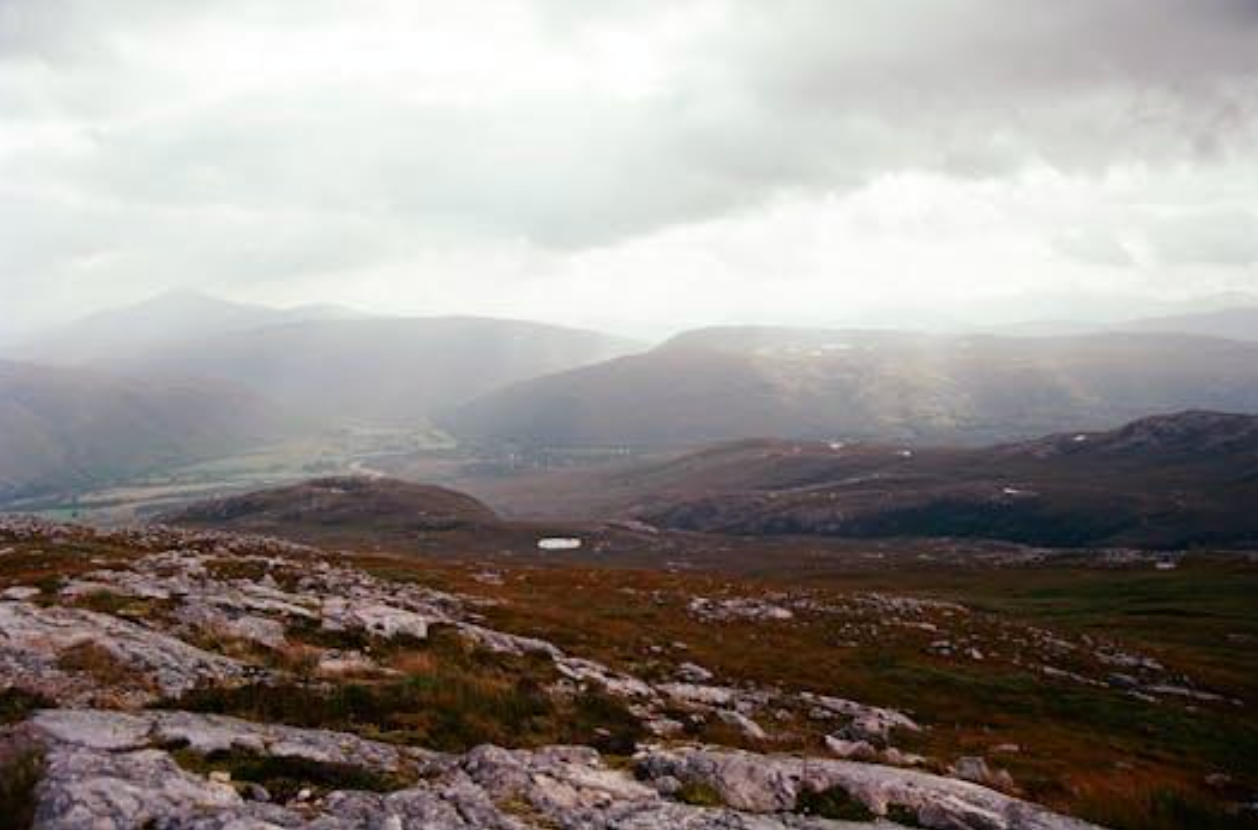
Scotland rewards anyone who moves slowly. While fast travellers quickly cover the surface, rushing from one photo stop to the next, the country quietly preserves its secrets. And those secrets sit between the postcard sights, along back roads, in village shops where the owner still knows every face. The journey north from Edinburgh becomes a lesson in patience. Trains, boots, and quiet lay-bys matter more than checklists. The point stops being covered by distance and becomes attention-grabbing. The mind stops rushing ahead and finally catches up with the body.
Leaving the City at Human Speed
Edinburgh doesn’t push people out. It tempts them to linger. And anyone serious about slow travel listens, then leaves anyway, on their own terms. Motorhome hire Edinburgh firms make that far easier, but the real choice sits elsewhere: rush for the A9 or slip onto smaller roads that twist through Fife, Perthshire, and tiny stone villages. So the wise traveller pauses in farm cafés, watches rain drift over low hills, and lets plans loosen. Time stretches, and the country starts to speak back. And with every unscheduled stop, the map turns from diagram into story.
Trains, Lochs, and Waiting for Weather
Scottish trains behave like moving viewpoints, not just transport. And the line from Edinburgh through Stirling to the north turns every window into a slow film about water, rock, and stubborn sheep. Many tourists complain about the rain. They miss the point. So the weather acts like a strict teacher, forcing changes of plan, extra tea breaks, and long hours in lochside pubs. Hikes shorten, conversations lengthen. The slowness isn’t an aesthetic choice. It’s baked into the climate and schedule. Eventually, the forecast ceases to be an issue and becomes an integral part of the plan.
Villages that Reward Staying Put
Pitlochry, Dunkeld, Aviemore: names that sound like minor stops on a coach route. And yet each one rewards anyone who sits still for more than a night. The baker starts to recognise a face. The barman shares local gossip, and a path behind the hotel turns into a favourite daily walk. Highland villages don’t shout. They wait. The tourist on a 48-hour schedule sees a souvenir shop. The slower visitor sees a community negotiating winter, tourism, and memory every single day. And that quiet negotiation explains far more about Scotland than any glossy brochure.
Mountains as Daily Neighbours, Not Conquests
Fast hikers talk in numbers: Munros bagged, miles logged, summits collected like stamps. And the Highlands roll their eyes at that sort of thing. Mountains here reward repetition. So the same ridge in different light becomes a new place each time, with snow hiding paths that seemed obvious last week. A slow approach treats a glen like a long conversation, not a challenge. Locals understand their surroundings instinctively. They live under the same peaks for decades and never claim to know them completely. And the longer someone stays, the more that uncertainty starts to feel like respect, not ignorance.
Conclusion
Slow travel in Scotland isn’t about romantic suffering or moral superiority. It’s about matching the speed of the place. Roads narrow, weather changes, buses appear when they feel like it, and the whole system quietly demands humility. So the journey from the city to Highlands stops looking like an escape and starts feeling like an adjustment of rhythm. A person accepts fewer sights and gains deeper stories. The country doesn’t shout its gratitude. It just opens up a fraction more with time, and that’s more than enough reward for anyone paying attention.
For more, visit Pure Magazine