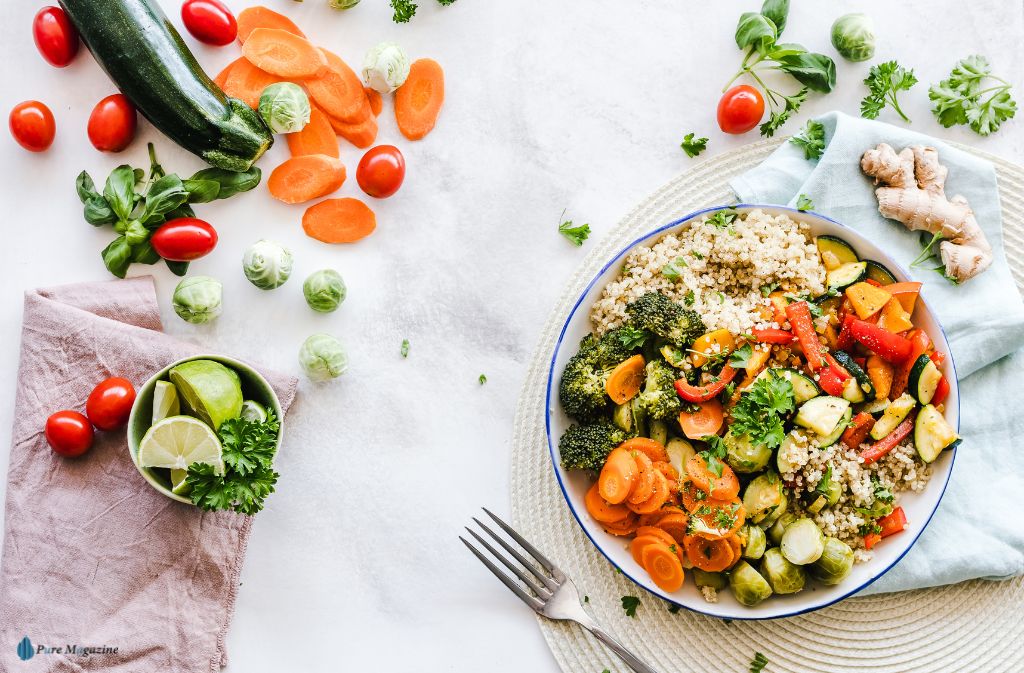
Let’s face it, what you eat has a huge impact on how you feel, think, and even get through the day. Food is so much more than just fuel; it’s the foundation of your mood, your focus, and your long-term health. When you pick meals that actually work for you, energy sticks around, and you feel more like yourself. But if you skip meals, eat on the run, or just grab whatever, you’re probably going to feel tired, cranky, and scattered. Nobody wants that. So, here’s some good news: boosting your energy and wellness doesn’t have to be complicated. This article put together a handful of nutrition tips that are actually easy to follow, and yes, they really do make a difference. We’ll look at what you eat in the morning, afternoon, and evening, plus some thoughts on snacks and routines.
Morning Nutrition: How to Actually Start Your Day
You’ve heard it a thousand times: breakfast matters. Honestly, it does. A good breakfast wakes up your metabolism, keeps your blood sugar steady, and gives you energy that lasts, not just a quick jolt and crash. If you want something that sticks with you, try oats for slow-burning carbs and fiber, or eggs for protein and vitamins. Yogurt with berries is another winner, probiotics for your gut, antioxidants for your immune system. Aim for breakfast to land somewhere between 250 and 400 calories, depending on what your morning looks like. And don’t forget to drink something. Water or herbal tea is perfect to rehydrate after a night’s sleep. When you start your day with simple, real food, you’re setting yourself up for steady energy and sharper focus all day long.
| Food Item | Calories (per serving) | Key Nutrients |
|---|---|---|
| Oatmeal with banana | ~250 kcal | Fiber, potassium, complex carbs |
| Boiled eggs with toast | ~300 kcal | Protein, B vitamins |
| Yogurt with berries | ~200 kcal | Probiotics, antioxidants |
Afternoon Nutrition: Balanced Midday Meals
Lunch keeps you going when the day’s at its busiest. You need a mix of lean protein, complex carbs, and a pile of veggies. Think of grilled chicken, brown rice, and a fresh salad, that’ll land you at about 500 to 600 calories, which works for most adults. Not into meat? Lentils step up as a solid plant-based choice, packed with iron and fiber. Don’t forget to drink water or sip some light herbal tea throughout the afternoon. Fried or super-processed foods just drag you down, so skip them if you want steady energy and to feel good all day.
| Food Item | Calories (per serving) | Key Nutrients |
|---|---|---|
| Grilled Chicken | 165 kcal | Protein, B vitamins |
| Brown Rice (1 cup) | 215 kcal | Complex carbs, fiber |
| Lentils (1 cup) | 230 kcal | Protein, iron, fiber |
| Mixed Salad | 120 kcal | Vitamins A, C, and fiber |
Evening Nutrition: Light and Restful Choices
Let’s talk about dinner. Keep it lighter than lunch, your body will thank you in the morning. Big, heavy meals late at night? Those just mess with your sleep and leave you groggy when the alarm goes off. Try something like fish for those good omega-3s, some tofu for plant protein, and toss in a bunch of veggies for vitamins and fiber. Don’t go overboard on portions. Stick to around 250 to 400 calories so you don’t overload your system before bed. And really, give yourself at least a couple of hours after eating before you hit the pillow. Your body needs time to digest, and that’s how you wake up feeling refreshed instead of sluggish.
| Food Item | Calories (per serving) | Key Nutrients |
|---|---|---|
| Vegetable soup | ~150 kcal | Vitamins, fiber |
| Grilled fish + vegetables | ~200 kcal | Omega-3, protein |
| Tofu stir-fry with greens | ~220 kcal | Plant protein, iron |
Smart Snacking for Energy
Let’s be real, snacks can save your day. The right ones keep you from crashing between meals and stop those wild sugar cravings before they even start. Good snacks aren’t just filler, either. They’re packed with nutrients and actually leave you feeling satisfied, not sluggish. When you snack smart, your energy sticks around, and you’re way less likely to go hunting for junk food later on.
| Snack Item | Calories (per serving) | Key Nutrients |
|---|---|---|
| Almonds (handful) | ~160 kcal | Healthy fats, protein |
| Apple | ~95 kcal | Fiber, vitamin C |
| Smoothie (fruit + greens) | ~180 kcal | Vitamins, hydration |
| Dark chocolate (small) | ~70 kcal | Antioxidants, magnesium |
Nutritional Science Insights
What you eat, and when you eat it, matters more than you might think. Scientific study keeps backing this up. For example, there’s real power in spreading your protein throughout the day instead of just loading up at dinner. Basically, your body handles protein better when you give it a steady supply, breakfast, lunch, snacks, not just a giant steak at night. And don’t forget fiber. Packing your meals with fiber-rich foods helps keep your blood sugar level. This is especially important if you’re following an IBS friendly diet, where choosing the right foods can help manage symptoms and improve digestion. The vitamins and minerals in fruits and veggies? They’re like reinforcements for your immune system. So, it’s not just about counting calories. Timing and balance are key.
Building Healthy Food Routines
It’s not just what’s on your plate that matters, when you eat counts, too. Eating at fairly regular times helps your energy stay steady and stops you from getting so hungry you raid the snack drawer. When you set up a routine, you’re more likely to actually think about what you’re eating, which usually means less junk. If you look at Unimeal app reviews, you’ll see people talking about how meal plans and tracking what they eat help keep them on course. Sure, the right app or tool is a personal thing, but the big idea is the same: being a little more aware makes healthy eating easier. A predictable eating schedule just makes life smoother, better digestion, more energy, and you feel more in control.
Long-Term Wellness Benefits
Good nutrition isn’t just about feeling energized today, it’s your ticket to staying healthy in the long run. According to research, diets packed with fruits and vegetables lower your odds of heart disease. Whole foods load you up with antioxidants, fiber, and all the nutrients your body needs to fight off chronic problems. And it’s not just your body that benefits. Eating well sharpens your mind, helps you sleep, and even keeps your mood on track. These habits pile up over time, cutting your risk of lifestyle diseases and just making life better overall.
Benefits You Can Expect
- Less chance of getting stuck with chronic diseases like heart disease and diabetes.
- You’ll be able to think more clearly and get more done.
- Better sleep, and actually feel rested in the morning, plus lower stress levels.
- A stronger immune system means you’re less likely to get sick and recover faster.
- A better balance between your emotions and your mood.
The Bottom Line
Nutrition is more than just another thing to tick off your to-do list, it’s a long-term investment in how you feel every day. By focusing on balanced meals and snacking smart, you can create habits that really make a difference, not just for your body, but for your mind too. Little tweaks to your eating routine, like grabbing a breakfast that’s a little healthier, choosing lunches with a bit more oomph to keep you going, and winding down with lighter dinners, can make a huge difference to how you feel.
And as time goes on, these habits start to pay off in a big way, you’ll feel less at risk of chronic illness, you’ll sleep better, and you’ll be a lot more emotionally balanced. You don’t need to go on some wild diet or start doing crazy exercise routines. Just taking a bit of thought with what you eat every day can make all the difference. With a bit of steady effort, you’ll be amazed at how good it can feel to be in control of your own health and energy levels.
For more, visit Pure Magazine