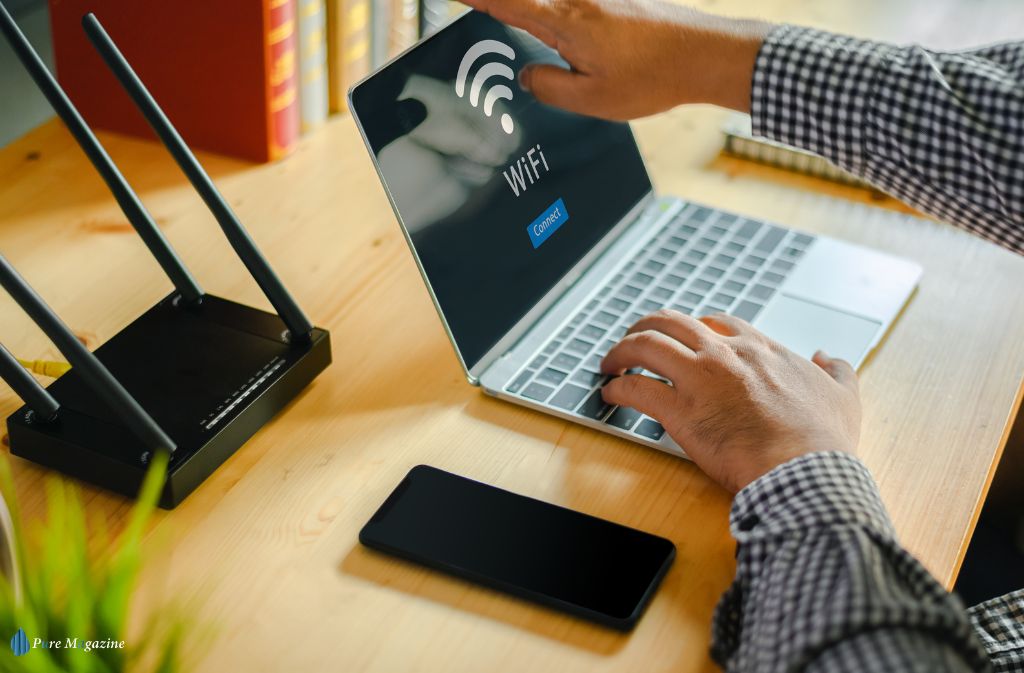
With nearly everything in our lives now connected to WiFi, it is permanently on…in bed browsing, streaming, working from home, gaming, video conference and even using it to manage your smart home devices. As WiFi routers are on all the time, maybe you are wondering if you save money by turning them off.
Weirdly enough, the probable answer is no. Sure, WiFi routers are technically working all the time, but they won’t be breaking the bank. The upcoming sections will analyze three aspects of WiFi energy consumption which include its operational power usage and related costs and the effectiveness of powering down the system for reducing electricity expenses.
How Much Electricity Does a WiFi Router Use?
Most standard WiFi routers are very energy efficient. They generally use between 5 and 15W, depending on model, features and number of computers connected to the network.
A rough calculation of electrical consumption would be:
- Low-power router: 5 watts
- Average router: 10 watts
- High-performance router: 15 watts
Most consumer routers are powered on all the time (as is the case with enterprise routers); they stay up 24 hours a day, 365 days a year.
Example yearly energy usage
If a router uses 10 watts:
- Daily energy use: 0.24 kWh
- Monthly energy use: 7.2 kWh
- Annual energy use: 87.6 kWh
The yearly expenses for operating the router total approximately $13. The power consumption of the device appears minimal when compared to the energy requirements of refrigerators and air conditioners and electric water heaters.
Does Using WiFi All Day Increase Your Electricity Bill?
Technically, yes—but only slightly.
Your WiFi router requires power to transmit signals to handle data processing and to maintain connections with wireless devices. The electricity usage remains unchanged during your active internet sessions and your times of no internet activity.
In other words:
- Streaming movies
- Browsing social media
- Downloading files
The activities do not lead to any substantial effects which would change your router’s electricity usage. The router uses the most energy when it operates continuously throughout the day instead of using your internet activity for power management.
Why WiFi Routers Stay On All the Time
WiFi routers need to operate without interruption because they function as continuous running devices. The process of turning them off and on repeatedly will lead to network connection interruptions which will affect their ability to connect.
- Smartphones
- Laptops and tablets
- Smart TVs
- Security cameras
- Smart thermostats
- Voice assistants
- Smart lights
Due to necessity some homes also use WiFi to operate remote monitoring and smart home automation, which means that the WiFi router has to be permanently switched on.
Thus, in the majority of homes, the WiFi wireless routers are powered on constantly.
What Actually Uses the Most Electricity in Your Home?
What would trouble an individual most is to figure out how to manage its usage. It can bring
a lot of money back even if we are slightly more vigilant.
Meeting the aggravation, humans might feel while building up anything meaningful.
- Heating and cooling systems
- Electric water heaters
- Clothes dryers
- Refrigerators
- Dishwashers
- Ovens and stoves
Compared to these different appliances in our homes, Wi-Fi routers do not draw that much electricity.
For example:
- Air conditioner: 1,000–3,500 watt
- Electric dryer: 3,000 watts
- Refrigerator: 150–400 watts
- WiFi router: 5–15 Watts
This infers that a router actually consumes much less power than other day to day appliances.
Factors That Affect WiFi Router Energy Use
Despite the fact that routers usually consume relatively little power, there are some variables that can affect it.
Router Type
High-end routers which manufacturers design for use in very large residences and gaming environments consume additional power because their more powerful antennas and faster central processing units require more energy.
Number of Connected Devices
Increased processing activity can be slightly enhanced by a swelling number of networked devices, while their energy footprint will not soar.
Router and Modem Setup
A few families use a separate router and modem while other families use a tandem device. Both pieces may increase the amount of power used overall by a bit.
Age of the Equipment
In terms of energy efficiency, older models don’t boast as much as these days as modems constructed with power-saving features.
Should You Turn Off Your WiFi at Night?
There are those that turn off the routers so as to save on electricity consumption during the night, and this may surely assist in saving up some energy, although the energy so saved remains minute.
For example:
If a 10 watt router is off for 8 hours a night, it could save 29kWh a year. That might be around $4–$5 a year depending on the electricity bills.
This small saving may not be enough to justify the bother of restarting appliances every single morning.
That said, if you, like me, are comfortable shutting down unneeded gadgets before bed, then great! That is a sound practice.
Tips to Reduce Energy Use From Home Electronics
Despite the fact that a WiFi router consumes a very low amount of electricity, there are a few ways that you can make your whole house more energy efficient.
Use Energy-Efficient Networking Equipment
Modern routers tend to have chips that are low,power, hence less energy used.
Place Routers Strategically
By putting your router in a central location it may be possible to get a better signal and therefore not require any other equipment; such as a WiFi extender.
Use Smart Power Strips
Consumers can use smart power strips to turn off the power to several appliances at the same time when using LED bulb.
Compare Energy Plans
When it comes to reducing electrical bills, the solution isn’t to reduce the use of small appliances but to find a “more competitive energy plan”. For example, reviewing ambit electric rates may help identify opportunities for overall savings.
Frequently Asked Questions (FAQs)
Q. Does leaving WiFi on all day waste electricity?
A Wifi router is always using electricity, but it is a very tiny amount. It’s probably a couple of dollars a year running it all the time.
Q. Does internet usage affect electricity consumption?
Not very much. Streaming, browsing and downloading data do not increase the electricity used by a router very much. A lot of the energy is used by leaving the router turned on.
Q. How much does it cost to run a WiFi router 24/7?
On the usage and consumption of a given modem within the network, its initial cost per year varies between 10 and 15 USD.
Q. Should I unplug my WiFi router when not in use?
The average cost is about 10–15 USD yearly, based on the amount of electricity consumed by the router.
Q. Do WiFi extenders increase electricity usage?
It is relative. However, the power consumption of most WiFi signal extenders falls in the range of 3 – 8 watts, which is comparatively only a small increase in overall consumption.
Q. Are newer routers more energy efficient?
Yes. Routers of recent design and hardware may consume less energy than a previous version.
Final Thoughts
WiFi usage throughout the day consumes power. The actual costs of WiFi usage mycost estimates because most routers consume between 5 to 15 watts which results in yearly electricity expenses of $10 to $15.
The most practical choice for most households is to maintain their WiFi connection because it allows them to access the internet and operate their smart devices and home automation systems.
You should focus on your most significant electricity consumers which include heating, cooling and large appliances instead of testing your WiFi router.
The ability to track your actual electricity consumption helps you optimize your energy usage while maintaining your online connectivity.
For more, visit Pure Magazine