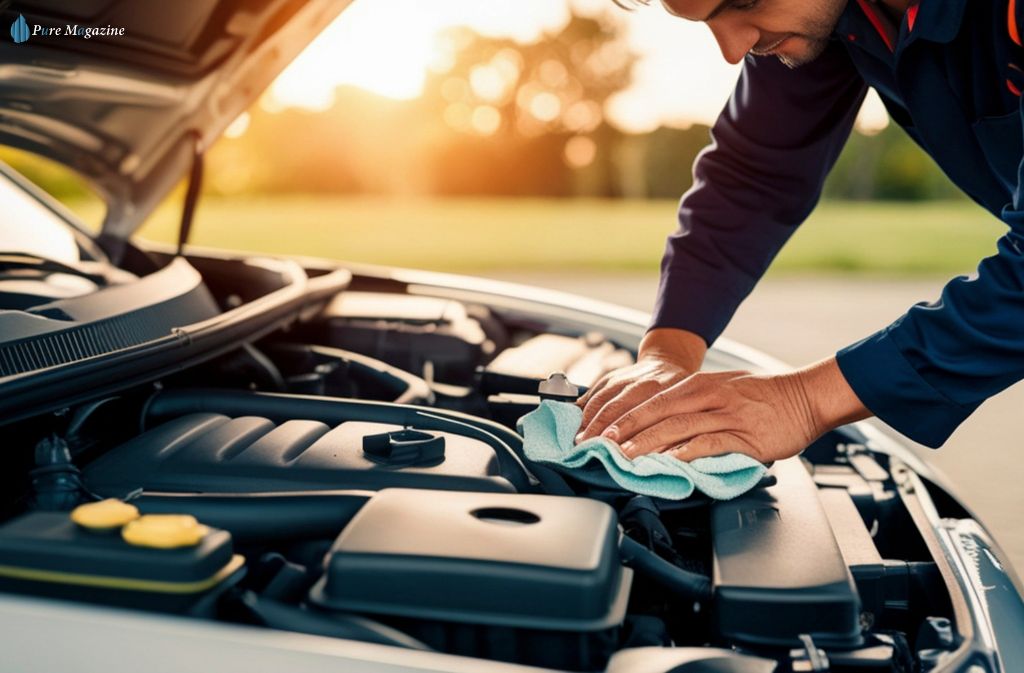
Your engine is the heart of your vehicle. And like any hardworking heart, it needs regular care to keep running strong. The good news? You don’t need to be a professional mechanic to protect it.
DIY car maintenance isn’t just about saving money. It’s about preventing costly breakdowns, improving performance, and extending the life of your engine. With a few simple upgrades and routine checks, you can dramatically reduce wear and tear while keeping your car running smoothly.
In this guide, we’ll walk through practical, beginner-friendly maintenance upgrades that truly protect your engine, no complicated tools required.
Why DIY Engine Maintenance Matters
Modern engines are built to last, but they depend on clean fluids, proper airflow, and strong ignition systems. Neglecting small components can lead to:
- Reduced fuel efficiency
- Rough idling or misfires
- Overheating
- Sludge buildup
- Expensive engine repairs
The key is prevention. Small upgrades and regular maintenance tasks can add years to your engine’s life.
Let’s break down the most effective ones.
1. Upgrade Your Spark Plugs
Spark plugs are small, but they play a massive role in engine health. They ignite the air-fuel mixture inside the combustion chamber. When they wear out, your engine struggles.
Signs Your Spark Plugs Need Replacement:
- Hard starts
- Rough idling
- Poor acceleration
- Reduced fuel economy
- Engine misfires
Replacing spark plugs is one of the simplest DIY jobs. Most vehicles require basic tools and about 30–60 minutes of your time.
If you drive a Chrysler, Dodge, Jeep, or RAM vehicle, sourcing high-quality parts is essential. Purchasing Online MOPAR Spark Plugs ensures proper fit and manufacturer specifications, helping maintain optimal engine performance and reliability. Using OEM-quality plugs protects your engine by delivering consistent combustion and reducing strain on internal components.
Pro Tip: Always check your vehicle’s owner manual for the correct spark plug type and gap specification.
2. Replace the Engine Air Filter
Your engine needs clean air to burn fuel efficiently. A clogged air filter restricts airflow, forcing your engine to work harder.
Why It Matters:
- Improves fuel efficiency
- Enhances acceleration
- Reduces carbon buildup
- Protects internal components from debris
Most air filters should be replaced every 12,000 to 15,000 miles, though dusty environments may require more frequent changes.
This is one of the easiest upgrades you can do — often taking less than 10 minutes.
3. Change Your Engine Oil (and Use Quality Oil)
Oil is your engine’s lifeline. It lubricates moving parts, reduces friction, prevents overheating, and helps remove contaminants.
Skipping oil changes is one of the fastest ways to damage an engine.
Basic Oil Change Guidelines:
- Conventional oil: Every 3,000–5,000 miles
- Synthetic oil: Every 7,500–10,000 miles
- Always replace the oil filter
Using the correct viscosity (like 5W-30 or 0W-20) as recommended by your manufacturer ensures proper lubrication.
If you want to protect your engine long-term, consider upgrading to full synthetic oil. It resists breakdown better and performs well in extreme temperatures.
4. Upgrade Your Engine Coolant
Overheating is a leading cause of engine failure. Your cooling system keeps temperatures stable, but old coolant loses effectiveness over time.
Why Coolant Maintenance Is Crucial:
- Prevents corrosion
- Protects the radiator and water pump
- Regulates engine temperature
- Prevents freezing in winter
Most manufacturers recommend a coolant flush every 30,000 to 50,000 miles, but always confirm with your vehicle’s maintenance schedule.
Flushing the system removes rust, scale, and contaminants that can damage your engine over time.
5. Replace Worn Serpentine Belts
The serpentine belt powers critical systems like:
- Alternator
- Power steering pump
- Water pump
- Air conditioning
If it fails, your engine can overheat quickly — especially if the water pump stops functioning.
Signs of Belt Wear:
- Cracks or fraying
- Squealing noises
- Glazing on the belt surface
Replacing a serpentine belt is often manageable for DIYers with moderate experience. It’s an inexpensive upgrade that prevents major engine trouble.
6. Install a High-Quality Fuel Filter
Your fuel filter prevents dirt and debris from entering your engine. Over time, it becomes clogged, restricting fuel flow.
This can lead to:
- Poor performance
- Stalling
- Increased strain on the fuel pump
Replacing the fuel filter improves combustion efficiency and protects your engine from internal damage.
Many newer vehicles have in-tank filters that last longer, so check your manual to determine service intervals.
7. Keep Your Battery and Charging System Healthy
While not technically inside the engine, your battery and alternator play a huge role in ignition and engine performance.
A weak battery can:
- Cause hard starts
- Lead to incomplete combustion
- Increase wear on starter components
Check battery terminals for corrosion and ensure tight connections. Testing voltage periodically helps prevent unexpected breakdowns.
8. Clean the Throttle Body
Over time, carbon deposits build up inside the throttle body. This restricts airflow and affects idle quality.
Symptoms of a Dirty Throttle Body:
- Rough idle
- Hesitation during acceleration
- Poor fuel economy
Using a throttle body cleaner (not carburetor cleaner) can restore smooth airflow and improve engine responsiveness.
This small upgrade often makes a noticeable difference in how your vehicle drives.
9. Monitor and Replace PCV Valves
The Positive Crankcase Ventilation (PCV) valve regulates gases inside your engine. If it fails, pressure builds up and can lead to oil leaks or sludge formation.
Replacing a PCV valve is inexpensive and typically takes minutes. Yet it protects your engine from internal contamination and long-term damage.
10. Perform Regular Visual Inspections
Sometimes the best engine protection is simply paying attention.
Make it a habit to check:
- Fluid levels
- Leaks under the car
- Unusual smells
- Warning lights
- Strange noises
Catching small issues early prevents catastrophic engine failure later.
Building a DIY Maintenance Routine
Consistency is what truly protects your engine. Create a simple maintenance log that tracks:
- Oil changes
- Filter replacements
- Spark plug intervals
- Belt inspections
- Coolant flushes
Staying organized ensures you don’t overlook critical service points.
Even basic maintenance can add 100,000+ miles to an engine’s lifespan when done properly.
Final Thoughts: Small Upgrades, Big Engine Protection
DIY car maintenance doesn’t require advanced skills or expensive equipment. It requires attention, consistency, and quality parts.
By upgrading spark plugs, replacing filters, maintaining fluids, and performing routine inspections, you reduce engine strain and improve reliability.
These small upgrades may seem minor, but they’re powerful forms of prevention. And prevention is always cheaper than repair.
If you’re serious about protecting your engine, start with one upgrade this weekend. Your car and your wallet will thank you.
For more, visit Pure Magazine