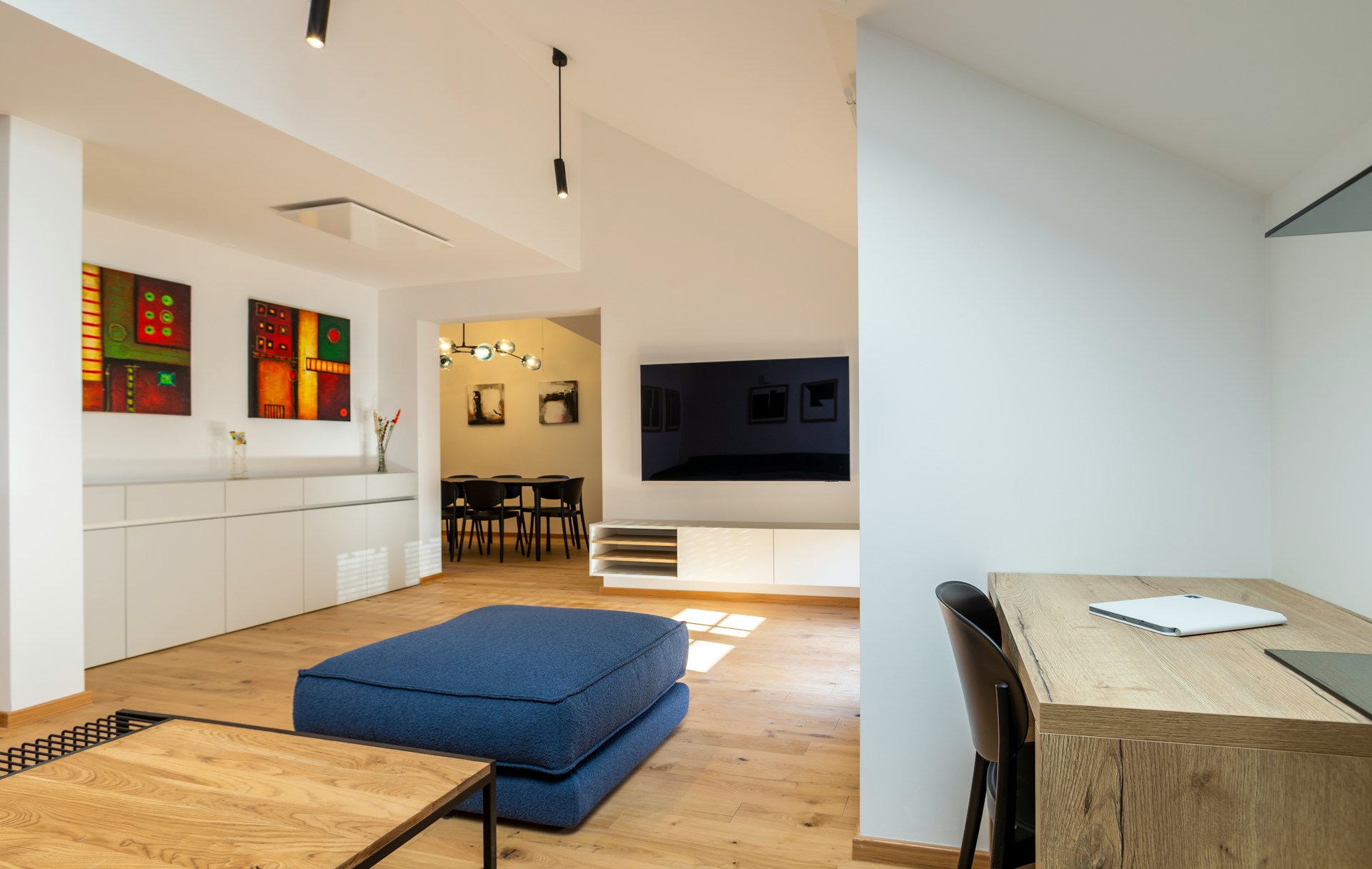
Designing an interior that feels cohesive and well-thought-out is about more than just color palettes and furniture layouts. The details—the fixtures you choose—play a pivotal role in shaping the overall look and feel of a space. From door handles to lighting, smart fixture choices can bring harmony to your home’s design narrative. In this post, we’ll explore how to curate fixtures that enhance style, function, and continuity throughout your interior.
Understand Your Design Intent
The first step in choosing fixtures is to clearly define your design intent. Are you aiming for a minimalist modern vibe, a cozy rustic feel, or an elegant classic aesthetic? Your fixtures should echo this intent. For example, sleek brushed metal finishes complement contemporary interiors, while aged brass or bronze can enhance more traditional or vintage spaces. When you have a clear vision, it becomes easier to select hardware that reinforces the theme rather than contradicts it.
Take time to gather inspiration, whether from design magazines, Pinterest boards, or showroom visits, and identify recurring elements that appeal to you. These might include shapes, finishes, or materials that you want to see repeated throughout your space. This foundation will guide your decisions as you select individual pieces.
Establish a Consistent Material Palette
One of the most effective ways to create cohesion is by establishing a consistent material palette across your fixtures. Fixtures often include door handles, drawer pulls, faucets, light fixtures, and even the finishes on electrical outlets or switch plates. When these elements share materials or finishes, the eye perceives the space as more unified.
For instance, if you choose matte black for your kitchen cabinet hardware, consider carrying that finish into your bathroom fixtures and lighting accents. Repeating a finish in multiple areas ties spaces together visually, even when the spaces themselves are functionally distinct.
It’s also perfectly fine to mix metals—just do it intentionally. A popular approach is to choose one dominant metal and use another as an accent. For example, you might have polished chrome as your primary finish, paired with subtle hints of warm brass in smaller details. What matters most is that the combination feels deliberate, not accidental.
Balance Function and Aesthetics
A cohesive interior isn’t just about looks—function plays a vital role too. Fixtures need to be both beautiful and practical. When selecting door handles, for example, consider ergonomics as well as style. A handle that looks stunning but feels awkward to use can disrupt the experience of a space. Similarly, lighting fixtures should provide adequate illumination for the tasks performed in each area, whether that’s cooking, reading, or applying makeup.
Balancing function and aesthetics also means considering scale and proportion. Oversized light fixtures in a small room can overwhelm the space, while tiny cabinet pulls on large drawers can feel out of place. Always evaluate how a fixture relates to the size of the surrounding elements to maintain visual comfort.
Choosing high-quality pieces that feel good to touch and use reinforces the design narrative while ensuring longevity. Investing in well-made fixtures can elevate not just the appearance, but the overall experience of your interiors.
Coordinate Across Spaces
Even if your home has distinct rooms with different functions, coordinating fixtures can create a thread of continuity. You don’t necessarily have to use the exact same fixtures everywhere, but they should feel like part of the same family. Think about shared elements—repeated finishes, harmonious styles, or complementary shapes.
An easy way to achieve this is by grouping fixtures into style categories. For example, geometric shapes with clean lines might be your choice for modern spaces, while more ornate, curved details could define traditional areas. By keeping these style languages consistent, you ensure that movement from one room to another feels natural rather than jarring.
Choosing fixtures from the same brand or collection can also simplify this process. Many manufacturers offer coordinated hardware lines that span different categories, so you can match door handles, cabinet pulls, and even bathroom accessories with ease. Explore options like those at tradedoorhandles.co.uk for a range of choices that help maintain stylistic unity.
Think Beyond the Obvious
While door handles and light fixtures are the most noticeable, don’t overlook the smaller details. Switch plates, thermostats, curtain rods, and even outlet covers can all contribute to a cohesive design. These subtle components often go unnoticed individually but collectively make a significant impact.
Take the time to ensure these smaller pieces align with your larger design choices. Coordinating them with your main fixture palette reinforces the feeling of intentionality and care in your space.
Final Thoughts
Cohesive interiors don’t happen by accident—they’re the result of thoughtful planning and smart fixture choices. By understanding your design intent, establishing a consistent material palette, balancing function with aesthetics, and coordinating elements across spaces, you can create interiors that feel connected and harmonious. Pay attention to even the smallest details, and your home will reflect a unified, refined design that’s both beautiful and functional.
For more, visit Pure Magazine