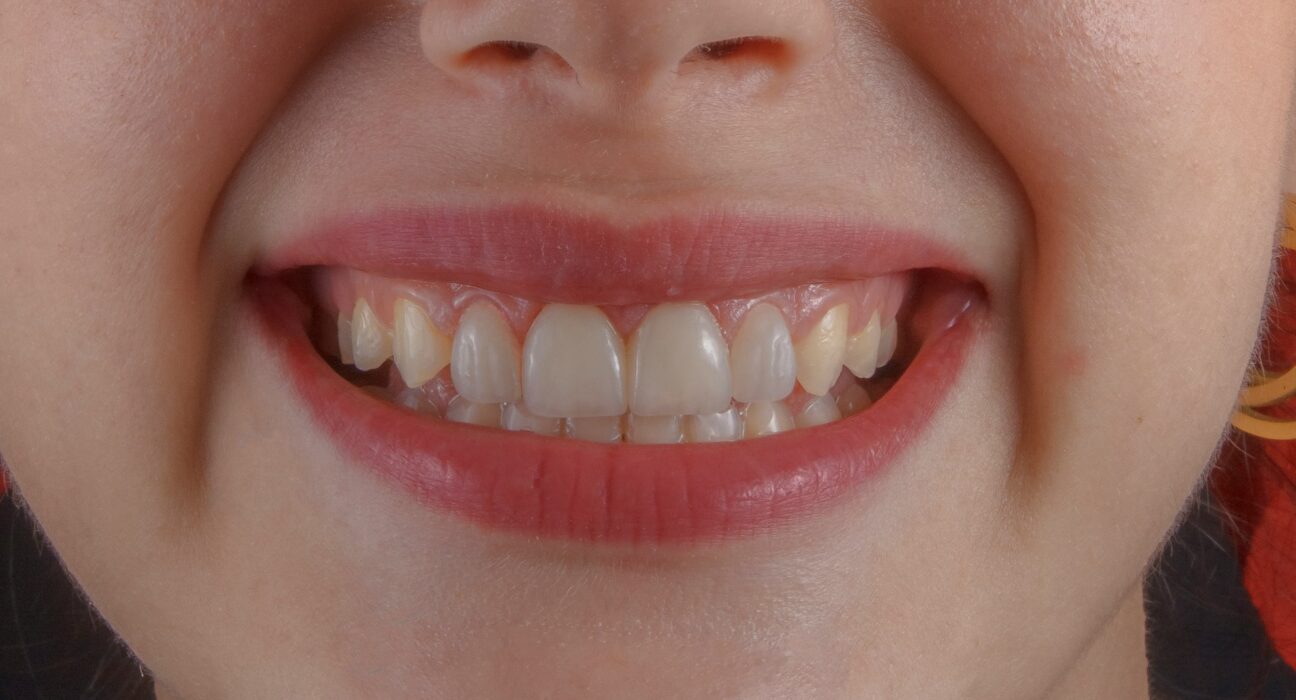
A confident smile can make a lasting impression, but minor imperfections like gaps, chips, or uneven teeth often hold people back. Fortunately, modern cosmetic dentistry offers simple and effective solutions. One of the most popular options is composite bonding—a minimally invasive treatment that can quickly enhance the appearance of your teeth without extensive procedures.
What Is Composite Bonding and How Does It Work?
Composite bonding involves applying a tooth-colored resin material to the surface of the teeth to improve their shape, size, or overall appearance. The material is carefully sculpted and polished to blend seamlessly with your natural teeth.
For those considering composite bonding London, the procedure is typically completed in a single visit, making it a convenient choice for individuals seeking fast and noticeable results. Unlike more complex treatments, it usually requires little to no removal of natural tooth structure.
Treating Gaps, Chips, and Uneven Teeth
Composite bonding is especially effective for correcting minor dental imperfections. It can:
The versatility of this treatment makes it suitable for a wide range of cosmetic concerns. Dentists can customize the resin to match the exact shade of your natural teeth, ensuring a natural-looking finish.
What to Expect During the Procedure
The process is straightforward and generally painless. It begins with a consultation, where the dentist assesses your teeth and discusses your desired outcome.
During the procedure:
Most patients can resume normal activities immediately after treatment, as no recovery time is required.
How Long Does Composite Bonding Last?
While composite bonding is durable, it is not permanent. On average, it can last several years with proper care. Factors such as oral hygiene, lifestyle habits, and regular dental check-ups all influence its longevity.
To maintain your results:
With the right care, your enhanced smile can remain bright and natural-looking for years.
Final Thoughts
Composite bonding is a simple yet highly effective solution for improving the appearance of gaps, chips, and uneven teeth. It offers quick results, minimal discomfort, and a natural finish that blends seamlessly with your existing smile. Whether you’re looking for a subtle enhancement or a noticeable transformation, this treatment offers a practical way to achieve a more confident, polished look.
For more, visit Pure Magazine