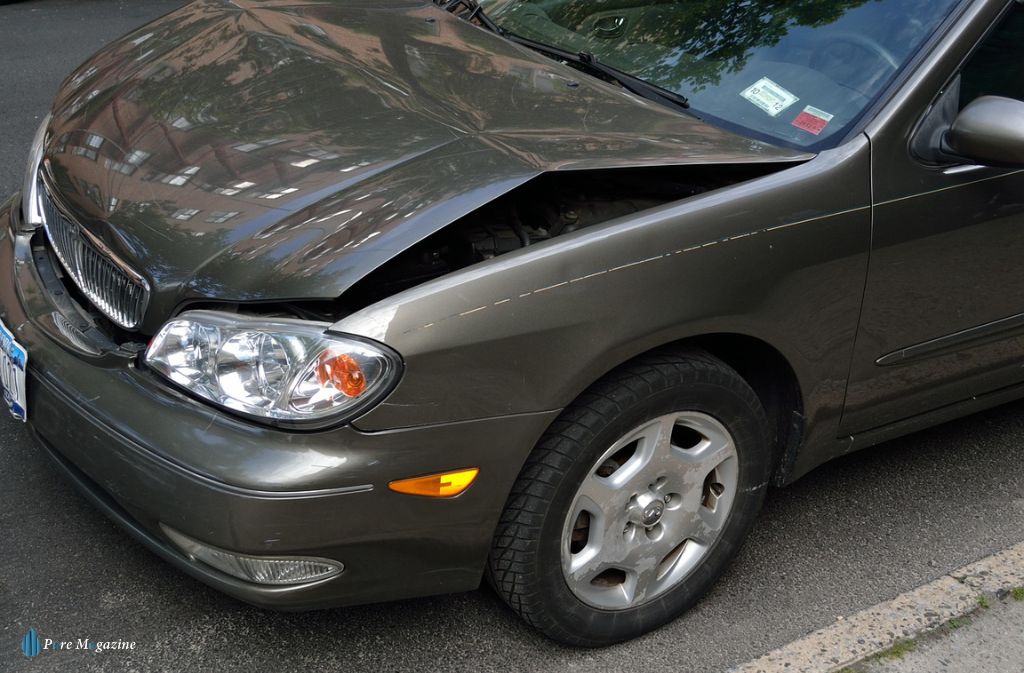
Don’t ever settle for walking away from a car accident without knowing your legal options.
When someone gets injured in a crash that they didn’t cause… They should be able to seek fair compensation from the at-fault party. Right?
What most people don’t realize is that partial fault doesn’t equal no compensation. In fact, comparative negligence laws were designed to ensure exactly that.
If you share fault for an accident, you can still file a claim to recover damages.
The issue?
Not knowing how a comparative negligence claim works could cost you thousands. Insurance companies know these laws better than anyone. Which is why they work them to their advantage daily.
Without knowing the fault rules, victims are leaving money on the table.
Everything you need to know about comparative negligence claims is covered below. If you’ve ever been involved in a crash, read on to learn how to fight for the compensation you deserve.
Let’s dive in!
What you’ll learn:
- What Is a Comparative Negligence Claim?
- How Do Fault Percentages Impact Compensation?
- Understanding Pure vs. Modified Comparative Negligence
- Why You Need a Lawyer After an Accident
What Is a Comparative Negligence Claim?
When multiple parties share fault for an accident, a comparative negligence claim may be filed.
Rather than placing 100% of the blame on one driver… A percentage of fault is placed on each at-fault party according to their actions. That percentage then reduces the amount of compensation they can recover.
For example:
A driver may be found to be 30% at fault for an accident. Let’s say the total damages in this accident equalled $100,000. Since the driver was 30% at fault…the amount they can recover from the other party would be $70,000.
Simple enough, right?
Things start to get complicated when the different rules each state has for comparative negligence claims come into play. That’s why hiring a qualified car accident attorney after a crash is one of the best decisions anyone can make to protect their legal rights.
How Do Fault Percentages Impact Compensation?
This might be one of the biggest mistakes that accident victims make…
They don’t understand how insurance companies use fault percentages to reduce compensation.
That dollar amount you’re entitled to recover is reduced by your percentage of fault. Don’t let the insurance company try and convince you otherwise.
Here’s why that’s important:
The National Highway Traffic Safety Administration (NHTSA) estimates that 39,345 people died in traffic crashes in 2024. With tens of thousands of fatal crashes alone, it’s safe to say that millions more involved shared fault.
Insurance adjusters know this and understand that they can minimize the amount of compensation they pay out by assigning fault to the victim.
If they can shift 1% of fault onto you… They save thousands on their end.
Let’s use an example:
You get into an accident and total damages equal $100,000. You would be able to recover the full amount if you were found to be 0% at fault.
However, if the insurance company can assign 25% fault to you, they only have to pay $75,000.
That’s $25,000 they don’t have to pay…Because you were unaware that your fault percentage plays such a huge role in comparative negligence claims.
That is why it is absolutely crucial to understand how fault impacts your compensation. Police reports, witness testimonies, photos from the scene… Anything can influence who the insurance company places fault on.
Understanding Pure vs. Modified Comparative Negligence
Not every state has the same rules when it comes to comparative negligence. In fact, there are two different types seen throughout the U.S. and they can drastically change a case.
Pure Comparative Negligence
Let’s start with pure comparative negligence.
In a state that practices pure comparative negligence, victims can recover damages even if found to be 99% at fault.
The Legal Information Institute states that thirteen jurisdictions follow the pure rule of comparative negligence. Some of the larger states that this applies to are California, New York, and Florida.
As you can imagine, this system is a lot more forgiving to accident victims. Unfortunately, that also means that insurance companies will fight these claims harder to ensure the victim’s percentage of fault is as high as possible.
Modified Comparative Negligence
If your state uses a modified comparative negligence rule, pay close attention.
With modified comparative negligence, most states fall into one of two categories.
- Victims cannot recover if they are 50% or more at fault. (50% bar rule)
- Victims cannot recover if they are 51% or more at fault. (51% bar rule)
Yup, you read that correctly. If you live in a state that has a modified rule, your compensation could be affected by 1% of fault.
Think about how damaging that can be to your case.
Just like with pure comparative negligence states… Collecting evidence after your accident cannot be stressed enough.
However, some states follow an older rule of contributory negligence. Meaning if you are found to be even 1% at fault, you’re unable to recover damages. Luckily for accident victims, these states are becoming less and less common.
Why You Need a Lawyer After an Accident
Here’s something else to consider…
Adjusters at insurance companies spend their entire career learning how to save their company money on claims. That’s their job.
You shouldn’t have to face them alone.
An experienced attorney will know how to:
- Secure evidence after the accident
- Fight back against inflated fault percentages
- Advocate on your behalf during negotiations
- Understand negligence laws in your state
Plus…
When a lawyer gets involved, how fault is assigned may be affected. If an attorney can gather the right evidence and present it correctly, there’s a much better chance of receiving a fair outcome.
Think about it…
Did you collect dashcam footage after your accident? Is there a witness willing to testify? Can an attorney obtain cell phone records or traffic camera footage to prove the other driver was at-fault?
An attorney can help answer these questions and much more.
Wrapping Things Up…
Now that you know how comparative negligence claims work, it’s time to apply that knowledge.
The state your accident occurred in matters when it comes to negligence laws.
If you live in a pure comparative negligence state, you can recover damages no matter your percentage of fault.
If you live in a modified comparative negligence state, make sure you fall under the bar rule otherwise you won’t be able to recover anything.
And insurance companies will do everything in their power to shift fault onto you.
Don’t fall for it.
Familiarize yourself with your state’s laws, collect any evidence you can, and reach out to a lawyer near you.
It only takes 1 second to ask for help… but it could save you thousands.
For more, visit Pure Magazine