


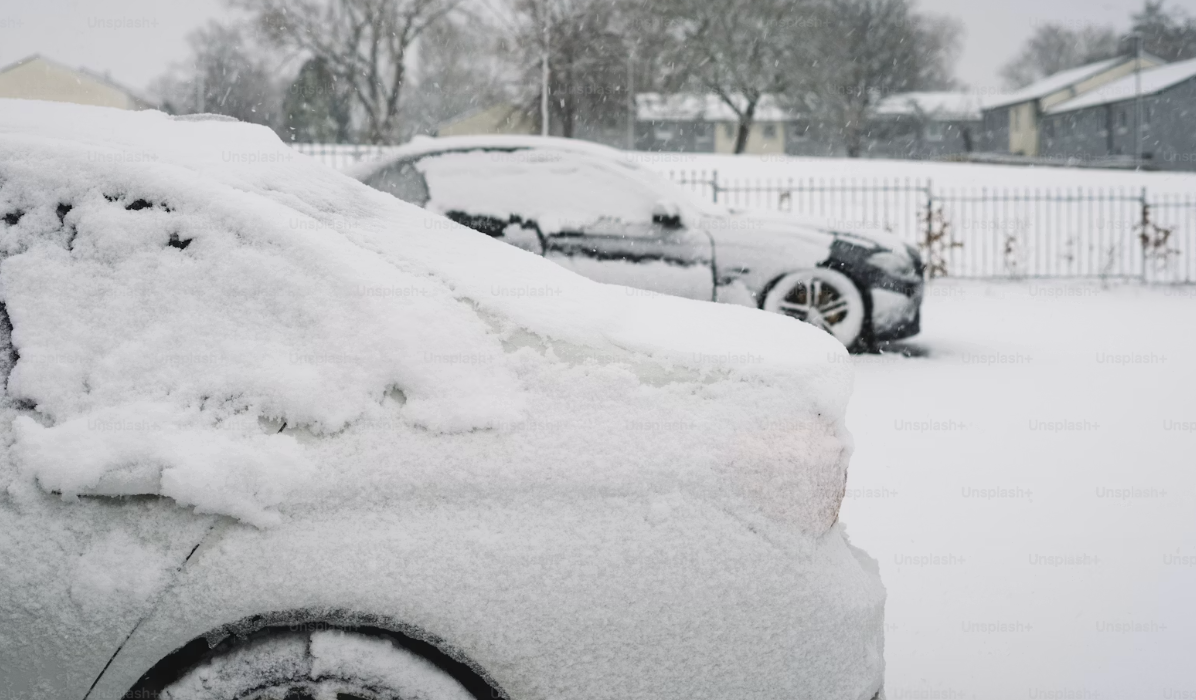
Cars often behave a little differently in winter than in summer, and almost any driver will probably agree with this statement. The main reason is not only low air temperatures but also humidity, which tends to accumulate more in cold weather. LLLParts says that cold weather is not a sentence of inevitable failure and that properly maintained cars withstand even the harshest winter conditions. So, what are the most common problems, and how can they be avoided?
EGR system problems
Although more and more new gasoline cars are on the streets every year, diesel vehicles remain a very popular choice for drivers. It is worth emphasizing right away that diesel cars work a little differently than gasoline cars, so the components under the hood differ. One of these is the EGR system, which fails a little more often during winter. LLLParts specialists say that the proper functioning of the EGR system directly depends on how often the car reaches operating temperature. Usually, this happens less often in winter because the cold outside air absorbs some of the engine’s heat, prolonging the warm-up process. When a diesel engine is not reaching operating temperature, unburned soot can accumulate, most often in the EGR system. Over time, soot accumulates to the point that the system valve can no longer perform its main function, and the system fails. Although these failures are quite simple to fix, to avoid them, diesel cars should be regularly warmed up to operating temperature and allowed to run until the soot accumulated in the system burns out.
Fuel system failures
As mentioned at the beginning, cold is not the only factor that causes failures; moisture often does the same. It is precisely this that can affect the fuel systems of many cars. Cold weather allows moisture to accumulate in the fuel tank, which can mix with the fuel over time and damage the fuel system. To avoid this, LLLParts specialists urge drivers not to drive cars with low fuel levels. This is especially important for diesel drivers, because not only can moisture accumulate in the fuel, but at low enough temperatures, the fuel can thicken, which will undoubtedly lead to problems with the fuel pump, injectors, and other car parts. According to experts, a full tank of fuel will always cost less than repairing problems caused by low fuel levels, so it is definitely worth keeping the tank full.

Chassis Problems
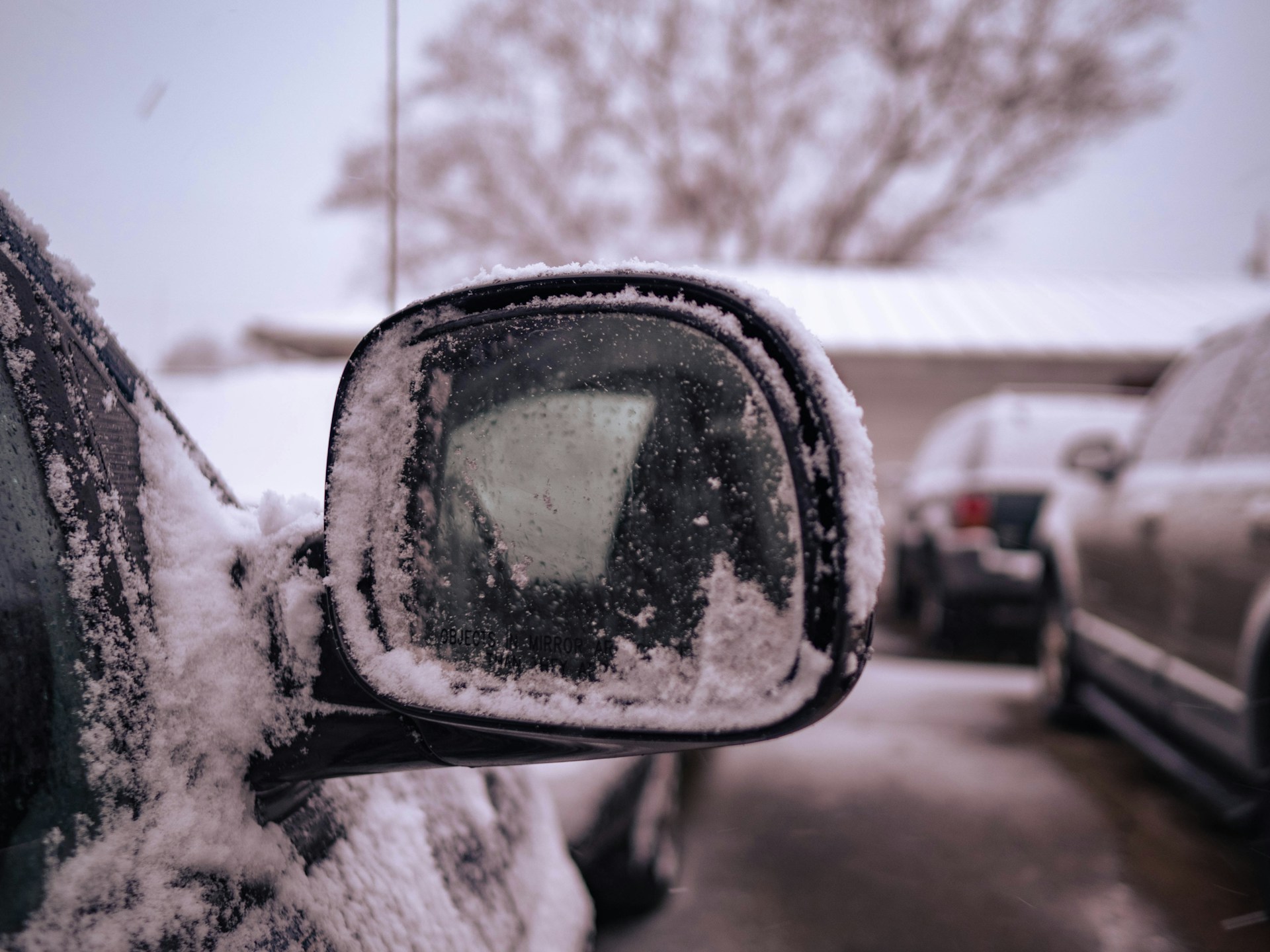
Probably every driver has noticed at least once that their car is not as easy to drive in winter as in summer. This is because the cold hardens various chassis components made of rubber. LLLParts experts note that this trend is most noticeable in rubber parts that are already somewhat worn from age. In short, cold affects older chassis parts more often and more severely. Here, a situation arises in which old rubber parts are more affected by cold, and when exposed to it, they wear out even faster. So if you feel the car is too hard on the road during winter, it may be time to proactively check the chassis and replace components such as suspension arm bushings, stabilizer bars, rubber protectors, and more.
For more, visit Pure Magazine