


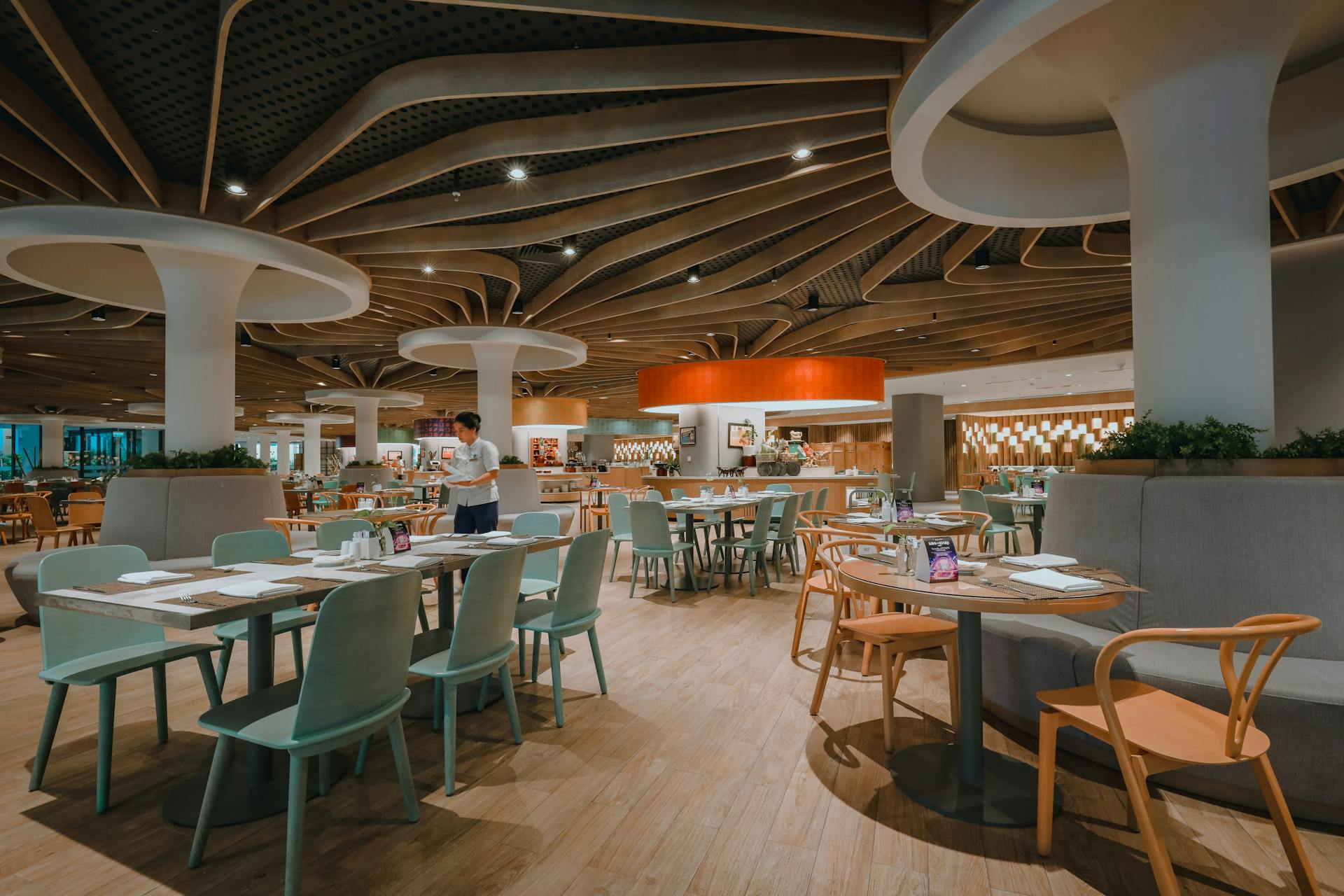
Selecting Restaurant Furniture Designed for High-Traffic Environments
Busy dining spaces demand furniture that can handle constant movement, frequent use, and occasional impact without losing stability or appearance. When choosing restaurant furniture for high-traffic environments, durability should be a primary consideration alongside design. Chairs, tables, and booths in commercial settings are used far more intensively than residential pieces, so reinforced joints, solid frames, and commercial-grade finishes matter. High-traffic areas such as main dining rooms, bar sections, and waiting zones benefit from furniture that resists wobbling and surface wear. Stackable or lightweight options can also support efficient cleaning and reconfiguration during peak hours. Beyond strength, the furniture should maintain a professional look even after extended use, as visible wear can affect customer perception. Selecting pieces specifically engineered for commercial dining ensures consistent performance while supporting smooth daily operations and guest satisfaction.
Material Choices That Improve the Lifespan of Restaurant Furniture
Material selection plays a major role in how well furniture performs over time in demanding foodservice environments. Restaurant furniture made from solid hardwood, steel, aluminum, or high-quality laminate typically offers greater longevity than low-grade alternatives. Wood provides warmth and classic appeal but must be properly sealed to resist moisture and spills. Metal frames add strength and are well suited for busy settings where stability is essential. Upholstery materials should also be chosen carefully, with vinyl and commercial-grade fabrics offering better resistance to stains and abrasion. Outdoor or patio areas require weather-resistant materials that can handle temperature changes and humidity. By matching materials to the intended use and environment, operators can significantly extend the service life of their furniture while reducing the need for frequent repairs or replacements.
Construction Features That Add Strength to Restaurant Furniture
Strong construction is what separates commercial-grade seating and tables from standard household pieces. Restaurant furniture built for daily use often includes reinforced corners, welded joints, and thicker support components that improve load-bearing capacity. Chairs with cross braces or metal stretchers provide added stability, especially in fast-paced dining rooms. Table bases designed with weighted or wide footprints help prevent tipping, even in crowded settings. Booth seating benefits from solid internal framing that supports both comfort and durability. Attention to craftsmanship, such as precision joinery and quality fasteners, ensures that furniture maintains its structure over time. These construction features may not always be visible, but they play a crucial role in ensuring that the furniture performs reliably under continuous commercial use.
Maintenance-Friendly Restaurant Furniture for Daily Commercial Use
Ease of maintenance is an often-overlooked factor when selecting furniture for restaurants. In high-use environments, surfaces must be quick to clean and resistant to stains, scratches, and moisture. Restaurant furniture with sealed wood finishes, powder-coated metal frames, or laminate tabletops simplifies daily cleaning routines. Upholstered seating should feature materials that can be wiped down easily without absorbing spills or odors. Removable seat cushions or replaceable components can further extend usability by allowing targeted repairs rather than full replacement. Furniture that requires minimal upkeep helps staff maintain cleanliness standards efficiently while reducing labor time. Over the long term, maintenance-friendly designs support a consistently polished dining space and lower overall operating costs.
How Ergonomic Design Enhances Long-Term Restaurant Furniture Performance
Comfort and durability are closely linked through ergonomic design. Restaurant furniture that supports proper posture reduces stress on structural components because guests are less likely to shift, lean, or misuse seating. Chairs with supportive backs, properly angled seats, and stable legs contribute to a better dining experience while minimizing excessive wear. Booth seating designed with appropriate seat depth and cushioning maintains comfort during longer visits without compressing prematurely. Ergonomic considerations also extend to table height and spacing, ensuring that furniture fits naturally within the dining layout. When guests feel comfortable, furniture experiences more balanced use, which can extend its lifespan and maintain appearance over time while encouraging repeat visits.
Investing in Restaurant Furniture That Reduces Replacement Costs
Long-term value should guide purchasing decisions more than upfront price alone. Investing in high-quality restaurant furniture often results in lower replacement and repair costs over time. Durable materials, strong construction, and thoughtful design reduce the likelihood of damage that requires frequent attention. While budget options may seem appealing initially, they often wear out quickly in commercial settings, leading to higher expenses in the long run. Furniture designed for daily use retains its functionality and appearance longer, supporting consistent branding and operational efficiency. By prioritizing quality and performance, restaurant owners can make purchases that align with long-term business goals, providing reliable seating and tables that serve customers well year after year.
Conclusion
Choosing the right restaurant furniture is a strategic decision that impacts daily operations, guest comfort, and long-term profitability. Furniture designed for commercial durability supports high-traffic use while maintaining visual appeal and structural integrity. By focusing on strong materials, solid construction, ergonomic design, and easy maintenance, operators can create dining spaces that function efficiently under constant demand. Thoughtful investment reduces the need for frequent replacements and helps maintain a consistent brand image over time. Whether furnishing a casual café or a full-service dining room, selecting pieces built for daily commercial use ensures reliability and value. Well-chosen furniture not only enhances the dining experience but also contributes to smoother operations and sustainable business growth.
For more, visit Pure Magazine