


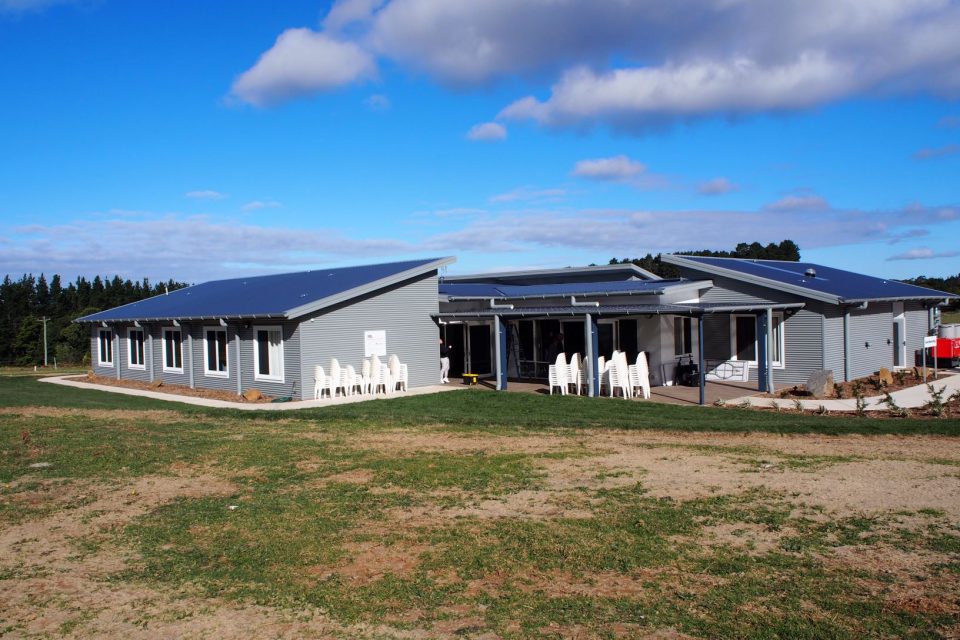
Substance use can pull a young person off track in ways they never intended, and the shift can quietly unsettle every part of their life. Relationships may change, motivation can drop, and plans that once felt achievable begin to feel distant. For many families, it becomes difficult to recognise the person they once knew beneath the stress, fear, and frustration. A dedicated treatment centre can create the breathing room needed to slow everything down and understand how life reached this point. The Triple Care Farm youth program offers participants a safe, structured setting where physical health needs, emotional support, and practical skill-building come together to support lasting change.
Early Stabilisation and Why It Matters
Many young people who arrive at Triple Care Farm carry pressures that have been building for months or even years. Some have been struggling with anxiety, depression, or trauma without consistent professional support. Others have stepped away from school, training, or work because daily responsibilities felt overwhelming. These factors often blur together until substance use becomes a coping mechanism rather than a deliberate choice.
The first stage of the program focuses on early stabilisation within a medically supervised environment. This stage is critical, as withdrawal can be physically and emotionally challenging. Qualified staff closely monitor symptoms and provide support to ease discomfort and reduce distress. This approach ensures participants don’t feel overwhelmed by the changes happening in their bodies and minds.
For many, this early phase becomes a powerful turning point. As physical symptoms begin to settle, participants often gain the mental clarity needed to reflect on what has been driving their substance use. Instead of simply reacting to discomfort, they can begin to understand the emotional patterns, stressors, and experiences that contributed to their situation. Stabilisation lays the foundation for the deeper therapeutic work that follows.
Inside the Residential Stage
The residential phase forms the core of the Triple Care Farm youth program and can last several months. This stage is designed to help participants rebuild routine, structure, and personal responsibility in a supportive setting. Days are carefully structured to balance therapy, education, physical activity, and personal time, helping young people develop healthier rhythms in their daily lives.
Counsellors work with each participant individually to explore personal triggers, past experiences, and the moments where life began to feel unmanageable. These one-on-one sessions support emotional growth and self-awareness, encouraging participants to identify patterns in their behaviour and develop healthier ways of responding to stress. Alongside individual counselling, group sessions provide space for shared learning and understanding. Listening to others’ experiences often reduces the sense of isolation that many young people feel when they first enter treatment.
Education and vocational activities are also woven into the residential stage. Some participants engage in structured training modules, while others return to subjects or skills they once enjoyed but had stepped away from. These learning opportunities help rebuild confidence through visible progress. Achieving small goals—whether completing a course module or mastering a new skill—can restore a sense of purpose and direction. It also reinforces the idea that life beyond the program still holds opportunities for growth and progress.
Practical living skills form another essential part of this phase. Participants take part in everyday tasks that support independence, such as time management, basic meal preparation, and maintaining personal spaces. These activities help ease the transition back into ordinary life. Once confidence in daily routines returns, other areas of the program often feel less overwhelming. Physical activity also plays an important role, offering an outlet for stress and helping improve mood, sleep patterns, and overall wellbeing.
The Transition Back to Community Life
Leaving residential care can feel both exciting and daunting. While participants may feel stronger and more confident, familiar environments can also reintroduce old pressures and temptations. The routines built inside the rehab program can feel fragile at first when the structure of daily support is no longer constant.
The aftercare stage is designed to bridge this gap between residential treatment and independent living. Participants receive ongoing contact with a support worker who understands their personal history and the challenges they may face once they leave the farm. This continuity of care helps individuals stay grounded as they adjust to life back in the community.
A common challenge during this transition is navigating social situations. The first event with friends after treatment, for example, can bring unexpected triggers—especially if substances are present. Aftercare sessions allow participants to talk through these scenarios in advance, so they are better prepared to respond with confidence and clarity rather than fear or impulse.
Ongoing check-ins also help maintain the momentum built during residential care. Some participants need guidance with job applications or returning to study. Others benefit from reminders to attend medical appointments, counselling sessions, or support meetings. Each point of contact reinforces accountability and prevents progress from quietly slipping away.
Support That Continues Beyond Triple Care Farm Rehab
Youth rehabilitation is most effective when it acknowledges the complexity of young people’s lives and provides the right balance of care, structure, and practical tools. Recovery is rarely a straight line, and setbacks do not cancel out progress. The strength of programs like Triple Care Farm lies in their ability to support individuals across each stage of recovery, from early stabilisation through residential care and into aftercare.
For families and loved ones, knowing that support continues beyond the initial treatment period can offer reassurance. It means young people are not expected to navigate the pressures of life alone once they leave the program. Instead, they remain connected to professionals who understand their journey and can offer guidance when challenges arise.
If someone in your life could benefit from a program that combines medical support, emotional care, and practical skill-building across every stage of recovery, encouraging them to explore Triple Care Farm rehab could be an important first step. A well-structured youth program doesn’t just address substance use—it helps restore confidence, strengthen life skills, and support young people as they rebuild direction, purpose, and hope for the future.
For more, visit Pure Magazine