


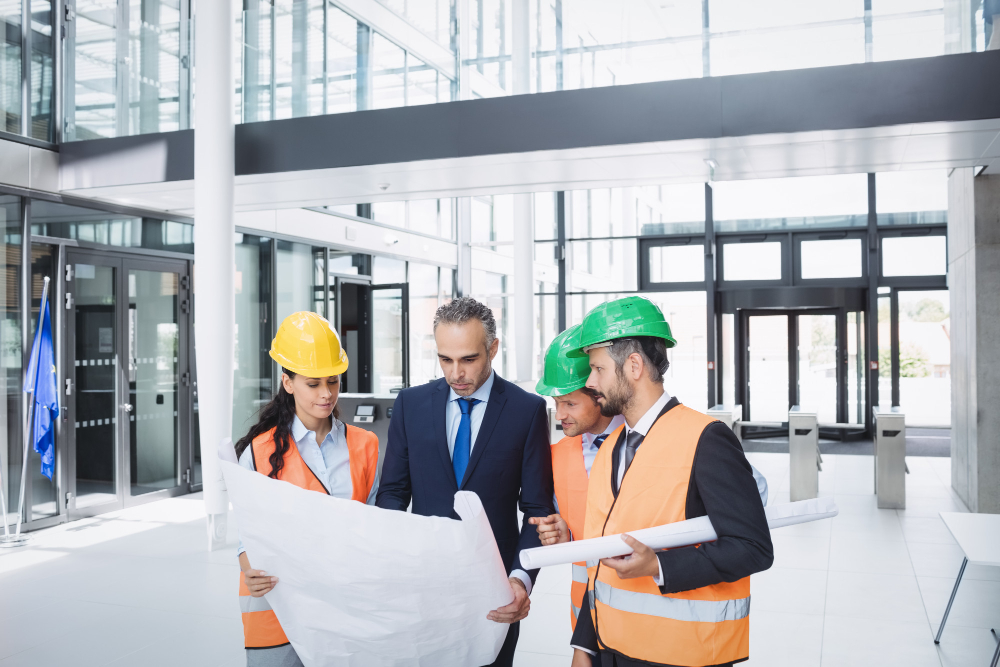
In every successful building project, from the smallest home renovation to the largest commercial development, there is one professional who stands at the center of planning, coordination, and execution the construction contractor. This expert ensures that the vision of architects, engineers, and property owners comes to life within the limits of budget, time, and quality. As modern construction continues to evolve, the responsibilities and expertise of the construction contractor have expanded to meet new challenges, technologies, and sustainability goals.
The construction industry today demands precision, innovation, and reliability. No matter how visionary a design may be, it takes a skilled and experienced team led by a capable contractor to transform blueprints into reality. Understanding what a construction contractor does, how they manage projects, and why their role is indispensable can help both clients and industry professionals appreciate their immense contribution to every stage of construction.
Understanding the Core Responsibilities
At its heart, the job of a construction contractor is about managing people, materials, time, and expectations. A construction project involves many moving parts: design adjustments, material procurement, labor coordination, compliance with regulations, and constant communication with clients and stakeholders. The contractor serves as the bridge between concept and completion.
A construction contractor oversees everything from the bidding process to final inspection. They estimate costs, prepare contracts, hire subcontractors, and ensure that every phase of work is executed according to plan. Their ability to coordinate a wide range of professionals electricians, plumbers, masons, engineers, and suppliers determines whether a project runs smoothly or faces costly delays.
Moreover, a contractor’s role isn’t limited to physical work on site. They also handle documentation, safety compliance, and financial tracking. Without their meticulous supervision, even the most well-designed project can falter due to mismanagement or unforeseen complications.
Planning and Pre-Construction
Before the first brick is laid, detailed planning takes place. A contractor must interpret architectural and engineering drawings, identify potential challenges, and prepare a realistic project schedule. This stage also includes obtaining permits, assessing risks, and estimating costs for labor and materials.
Effective planning minimizes errors during construction. A construction contractor collaborates closely with designers and clients to confirm specifications, adjust timelines, and define milestones. The pre-construction phase is the foundation for success; any oversight here can ripple through the rest of the project, leading to delays or budget overruns.
Contractors also integrate modern technologies such as Building Information Modeling (BIM) to improve planning accuracy. Digital tools help visualize projects in 3D, detect clashes between systems like plumbing and electrical layouts, and allow stakeholders to review every aspect before work begins.
Project Execution and On-Site Management
Once the project moves from paper to the field, the contractor becomes the driving force behind daily operations. Every day presents new challenges weather conditions, material deliveries, labor coordination, and unexpected design changes. The contractor’s leadership ensures that tasks are completed in the correct order, according to quality standards, and within deadlines.
Communication is essential. The contractor acts as the central communicator between the client, architects, engineers, and workers. Regular meetings, progress reports, and inspections keep everyone aligned. They must also monitor the safety of the site, ensuring that all workers follow protocols and regulations.
Another critical aspect is problem-solving. Even the most meticulously planned projects encounter issues such as supply delays or design conflicts. The best contractors handle these challenges with professionalism, proposing quick and effective solutions to keep the project moving forward.
Quality Control and Safety Standards
In the construction industry, quality and safety are inseparable. The contractor must ensure that materials meet specifications and that every process adheres to building codes. Inspections, testing, and documentation are ongoing throughout the project’s life cycle.
Safety management is equally vital. A responsible construction contractor implements safety programs, trains workers, and conducts regular audits. Accidents can cause not only injuries but also severe financial and reputational damage. By maintaining a culture of safety, contractors protect both their teams and their clients’ investments.
Furthermore, contractors today face growing expectations for sustainable and eco-friendly construction. They must understand energy efficiency, waste reduction, and green building materials. Meeting these modern standards requires continuous education and adaptation.
Financial Management and Cost Control
Every construction project revolves around one crucial factor: the budget. A skilled contractor manages finances with precision, ensuring that each expenditure aligns with project goals. This involves negotiating prices with suppliers, controlling labor costs, and forecasting potential overruns before they occur.
Accurate financial management builds trust with clients. When a contractor provides transparent cost reports and realistic estimates, clients can make informed decisions without surprises. This financial discipline separates professionals from amateurs and contributes to long-term business success.
Technology has also transformed financial control. Modern project management software enables real-time tracking of expenses, labor productivity, and resource usage. Contractors who leverage these tools gain a competitive advantage, offering clients greater efficiency and accountability.
Leadership and Team Coordination
Construction is fundamentally a team effort. From architects to site laborers, success depends on seamless collaboration. A good contractor must therefore be an exceptional leader — motivating teams, resolving conflicts, and maintaining morale even under pressure.
Leadership also means foresight. The contractor must anticipate potential problems and act proactively rather than reactively. This involves clear communication, transparency, and adaptability. In a dynamic industry where unexpected challenges arise daily, these qualities ensure stability and progress.
The best contractors cultivate a network of trusted subcontractors and suppliers. Strong professional relationships lead to consistent quality and timely deliveries, allowing the entire project to benefit from mutual reliability and respect.
Innovation and the Future of Construction
The construction sector is undergoing rapid transformation, driven by technology, sustainability, and new design approaches. Contractors now operate in an environment that demands efficiency and innovation. Automation, drones, 3D printing, and AI-driven project management are revolutionizing how buildings are designed and executed.
A forward-thinking contractor embraces these tools to enhance accuracy, reduce costs, and speed up timelines. For instance, drones allow for faster site inspections and progress tracking, while AI systems help predict potential scheduling conflicts or safety risks.
Sustainability is another defining trend. Eco-friendly materials, renewable energy systems, and water conservation techniques are becoming standard expectations. Contractors who adapt to these shifts not only stay competitive but also contribute positively to the global effort toward environmental responsibility.
Challenges Faced by Contractors
Despite their expertise, contractors face numerous challenges. Rising material costs, labor shortages, regulatory changes, and supply chain disruptions can threaten timelines and profitability. Balancing client expectations with on-site realities requires resilience and flexibility.
Moreover, communication gaps can lead to misunderstandings and costly errors. Maintaining transparency at every level is essential to prevent disputes. Skilled contractors address these challenges through proactive planning, strong negotiation skills, and effective stakeholder management.
Legal compliance also adds pressure. Contractors must stay informed about labor laws, building codes, and environmental regulations. Any lapse can result in fines, penalties, or project suspension. Hence, continuous learning and awareness are vital for long-term success.
Client-Contractor Relationship
The relationship between a contractor and a client is built on trust and communication. Clients depend on their contractor to turn a concept into a tangible structure, while contractors rely on clients for timely decisions and payments. Mutual respect and clarity in communication prevent misunderstandings and foster cooperation.
A professional construction contractor in Hoke County NC listens carefully to the client’s vision, provides honest feedback, and keeps them updated throughout the project. They value transparency and are committed to delivering quality without unnecessary costs. When clients see accountability and integrity in action, they are more likely to recommend the contractor for future work.
Conclusion: The Foundation of Every Successful Build
Behind every completed structure from elegant homes to towering skyscrapers stands the dedication, expertise, and leadership of a skilled contractor. Their role extends far beyond physical construction; they are planners, managers, problem-solvers, and innovators.
The modern construction landscape is more demanding than ever, but it is also filled with opportunity. Contractors who adapt to technological advancements, uphold safety and quality, and maintain honest relationships with clients will continue to thrive.
In essence, a construction contractor is the backbone of every successful project. They transform architectural imagination into enduring reality, shaping the built environment that defines our cities and communities for generations to come.
For more, visit Pure Magazine