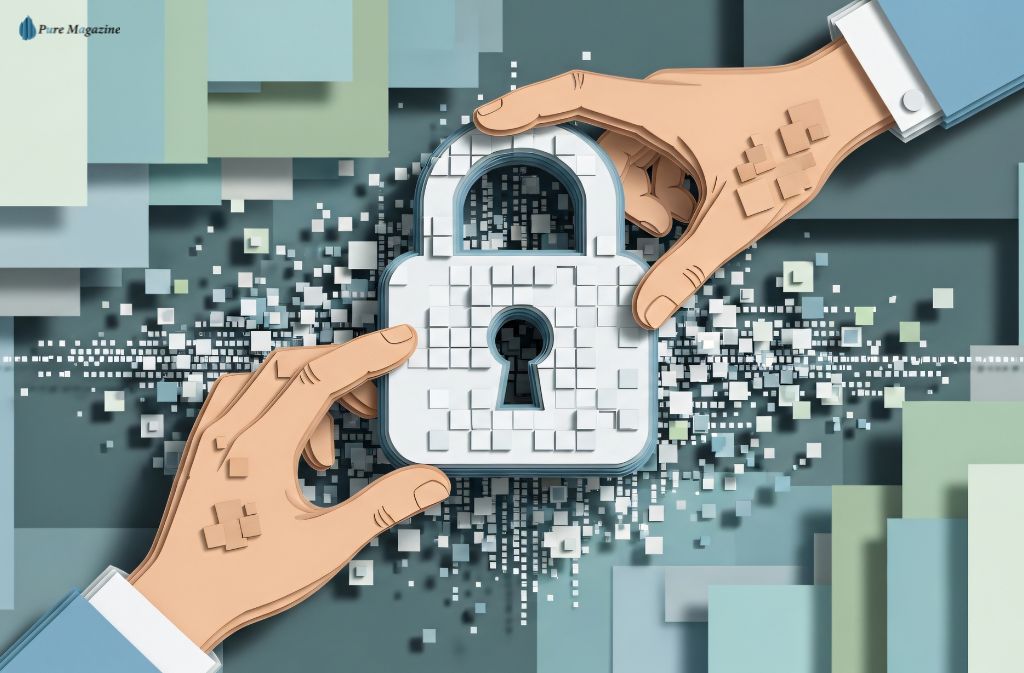
For years, “we have a firewall” was the shorthand way business leaders reassured themselves that their organisation was protected. In 2026, that mindset is dangerously outdated. Attackers no longer rely on a single path in, and the systems you’re trying to protect now live across offices, homes, mobiles, SaaS tools, and cloud platforms. A firewall is still important, but it’s only one piece of a much larger picture.
If you’re evaluating a modern cybersecurity service, the real question is simple: does it cover the full lifecycle of how attacks happen today—from initial access and lateral movement through to detection, response, and recovery—or is it just a slightly smarter gate on the front door?
To answer that, it helps to break down what “comprehensive” should actually look like.
Visibility First: Knowing What You’re Protecting
You can’t defend what you can’t see. A mature approach starts with visibility across your environment: endpoints, servers, cloud workloads, identities, networks and SaaS apps. That means asset inventories that stay up to date, telemetry from key systems and logs that don’t just disappear after a few days.
This isn’t just about tools; it’s about clarity. A good provider helps you understand where your crown jewels live, which systems are most exposed and how data flows between them. Without that map, even the most advanced controls are operating half-blind.
Strong Identity and Access Controls
Most modern attacks don’t begin with someone bashing down your perimeter—they begin with a stolen password, a reused credential or a convincing phishing email. That’s why identity is now one of the core control points in any serious security program.
Comprehensive protection includes multi-factor authentication on critical systems, conditional access policies for remote connections, sensible privilege management and regular reviews of who has access to what. It also means monitoring for unusual sign-in patterns and risky behaviour tied to specific accounts.
If a service still treats “usernames and passwords” as a solved problem, it isn’t keeping pace with how breaches actually unfold.
Endpoint Protection That Goes Beyond Antivirus
Traditional antivirus alone can’t keep up with today’s threats. Endpoints—laptops, desktops, mobiles and tablets—need behaviour-based protection, not just signature-based scanning.
A robust approach uses modern endpoint detection and response (EDR) to spot suspicious activity: unknown processes spawning, unusual network connections, credential dumping and lateral movement attempts. It also centralises telemetry so incidents can be investigated quickly rather than leaving each device as a separate island.
Importantly, endpoint controls should be deployed consistently via managed configurations, not manually installed “when someone has time.” Standardisation is a big part of real-world security.
Network Security for a Hybrid World
Firewalls still matter, but they’re only one part of network defence. As more apps move to the cloud and more staff work remotely, network security becomes about segmentation, secure remote access and intelligent inspection of traffic, not just blocking ports at a single gateway.
In practice, that means well-designed VPN or zero-trust network access, internal segmentation between critical systems and user segments, and the ability to inspect traffic for malicious patterns without breaking business-critical applications. Where possible, security policies should follow users and devices, not just offices.
A comprehensive service will talk about these patterns, not just “we’ll manage your firewall rules.”
Continuous Monitoring and Threat Detection
The most important question about your defences isn’t “are we protected?” It’s “how quickly will we know if something gets through?”
Effective services include continuous monitoring of logs and security events, correlation of signals from different tools, and human analysts who can distinguish noise from genuine threats. Alerting is tuned so your team isn’t drowning in meaningless warnings, and there’s a clear playbook for what happens when something suspicious is found.
This is where 24/7 coverage really matters. Attacks don’t wait for business hours, and the time between initial compromise and serious damage can be measured in hours—or less.
Incident Response and Recovery Plans
No control set is perfect. Even with great prevention and detection, you need a plan for when an incident occurs. Comprehensive cybersecurity includes defined incident response procedures, communication plans and recovery strategies.
That means knowing who gets called, how evidence is preserved, how affected systems are isolated, and how you’ll bring services back online safely. It also includes post-incident reviews to learn what went wrong, what worked and what needs to change.
Backups play a critical role here. They must be frequent, tested and resilient against tampering, especially in the face of ransomware. A good provider will talk as much about recovery time and integrity as they do about blocking threats.
Security Awareness That Actually Changes Behaviour
People are still one of the most common entry points into an organisation. Phishing, social engineering and credential theft often succeed not because users are careless, but because attackers are sophisticated.
A comprehensive approach doesn’t just send generic training videos once a year. It builds security awareness into everyday work: targeted training for high-risk roles, realistic phishing simulations, simple reporting channels for suspicious messages and feedback loops when incidents are avoided thanks to staff vigilance.
The goal is to turn employees into an asset, not a liability, in your security posture.
Governance, Reporting and Continuous Improvement
Finally, a complete cybersecurity offering is not just technical—it’s also about governance. Regular reporting, risk assessments and alignment with frameworks or regulatory expectations are part of the package.
You should be able to see, in plain language, how your risk is evolving, which areas have improved and where gaps remain. That transparency is what lets leadership make informed decisions about investment and priority, rather than reacting to the latest headline.
For many Australian organisations, working with a trusted partner such as Otto IT turns this from a patchwork of tools into a coherent program that integrates with broader IT operations and business goals.
The Role of the Right Partner
Most businesses don’t have the time or headcount to build all of this in-house. That’s why the choice of managed service provider matters as much as the individual tools you deploy. The right partner doesn’t just “watch the firewall”—they help you build layered defences across identity, endpoints, networks, monitoring, response and culture.
When you evaluate services, look for those layers. If the conversation never moves beyond perimeter devices and basic antivirus, you’re not hearing a comprehensive story. But if a provider can clearly explain how they’ll help you see your environment, reduce attack paths, detect threats quickly and recover when something goes wrong, you’re much closer to the kind of protection modern organisations actually need.
For more, visit Pure Magazine