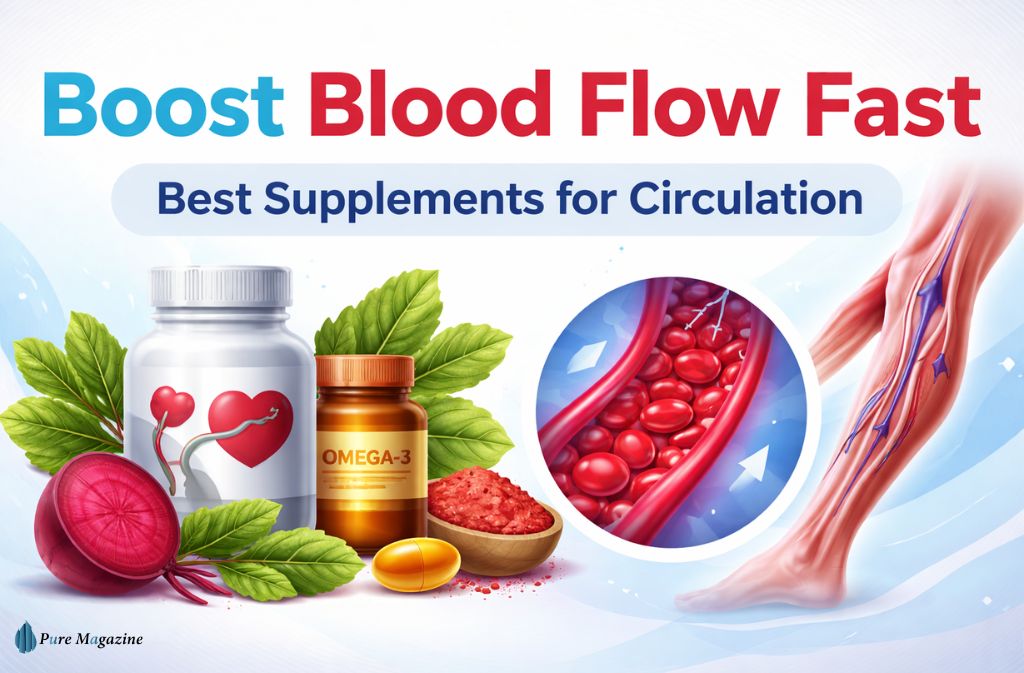
Cold hands that never seem to warm up. Heavy legs after sitting too long. That subtle “low energy” feeling you can’t quite explain.
These aren’t random — they’re often early signs of poor blood flow.
Searches for supplements for circulation are growing fast, but most guides repeat the same surface-level advice: take a vitamin, drink more water, move more. That’s not wrong — but it’s incomplete.
Here’s what most articles miss: improving circulation isn’t about “thinning your blood.” It’s about fixing how your blood vessels actually function.
What Are Supplements for Circulation?
Supplements for circulation are nutrients and plant compounds that improve blood flow by supporting blood vessel function, increasing nitric oxide production, and reducing vascular inflammation.
Effective supplements don’t just “boost flow.” They help blood vessels expand through vasodilation, improve oxygen delivery to tissues, support endothelial health — the inner lining of vessels — and reduce arterial stiffness over time.
Circulation Starts with Endothelial Health
The endothelium is the thin inner lining of every blood vessel in your body. When it isn’t functioning properly, blood vessels become less flexible, nitric oxide production drops, and circulation slows — even when your heart is working fine. This is why two people can follow the same diet and have very different circulation outcomes.
Research published in Circulation established endothelial dysfunction as an early and independent predictor of cardiovascular disease — which means it’s not just a symptom, it’s a cause. The best supplements for circulation don’t just improve blood flow temporarily. They repair endothelial function, restore vascular responsiveness, and support longer-term cardiovascular health.
Signs of Poor Circulation
Cold hands and feet, tingling or numbness, swelling in the legs, persistent fatigue or brain fog, and slow wound healing are the most common presentations. Root causes range from a sedentary lifestyle and high blood pressure to insulin resistance, smoking, and nutrient deficiencies that quietly compound over time.
Poor circulation doesn’t always feel dramatic. It often feels like low energy that won’t shift — something that gets attributed to stress or aging before the vascular connection is considered.
Best Supplements for Circulation (2026 Evidence-Based)
1. L-Citrulline
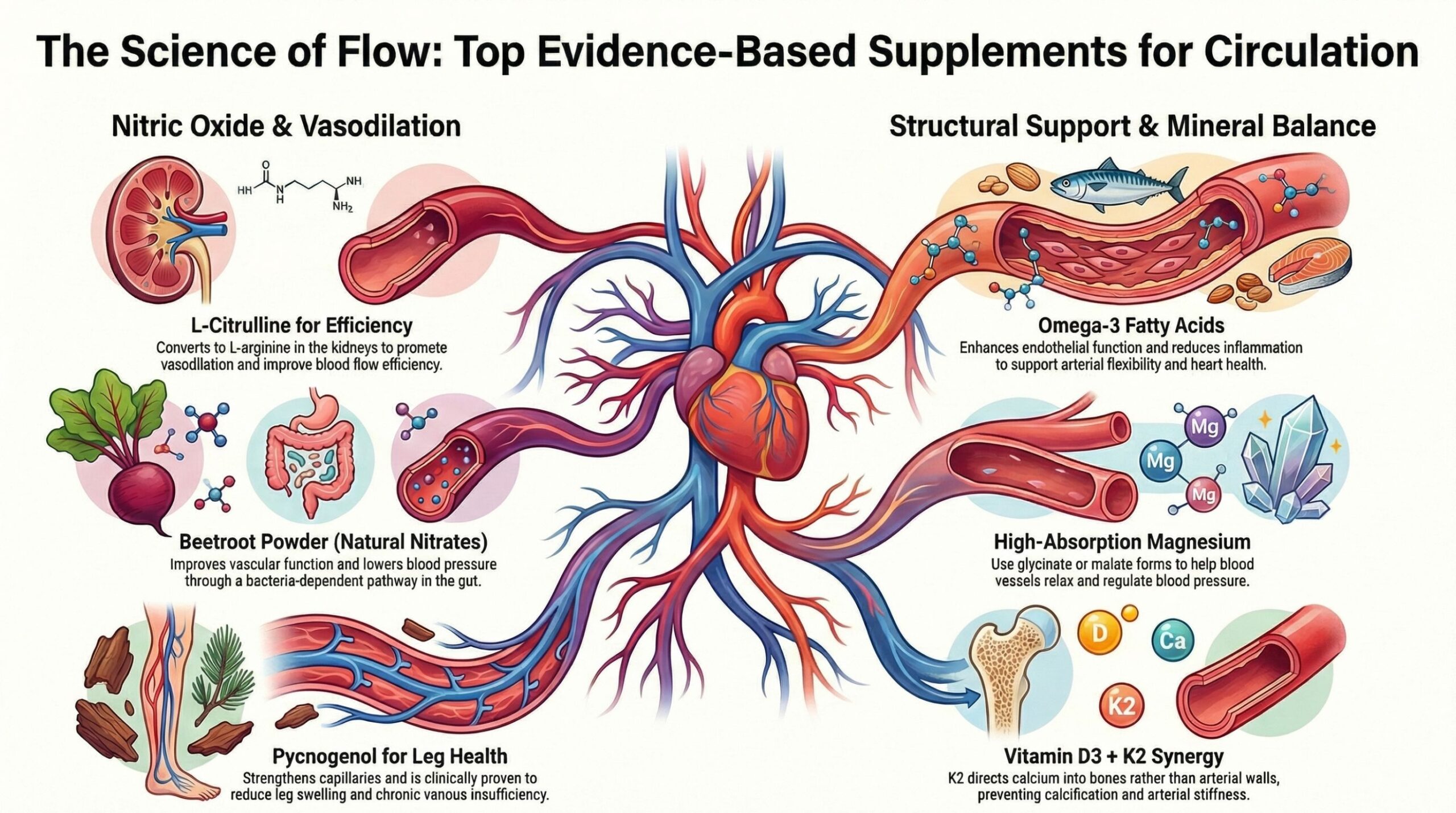
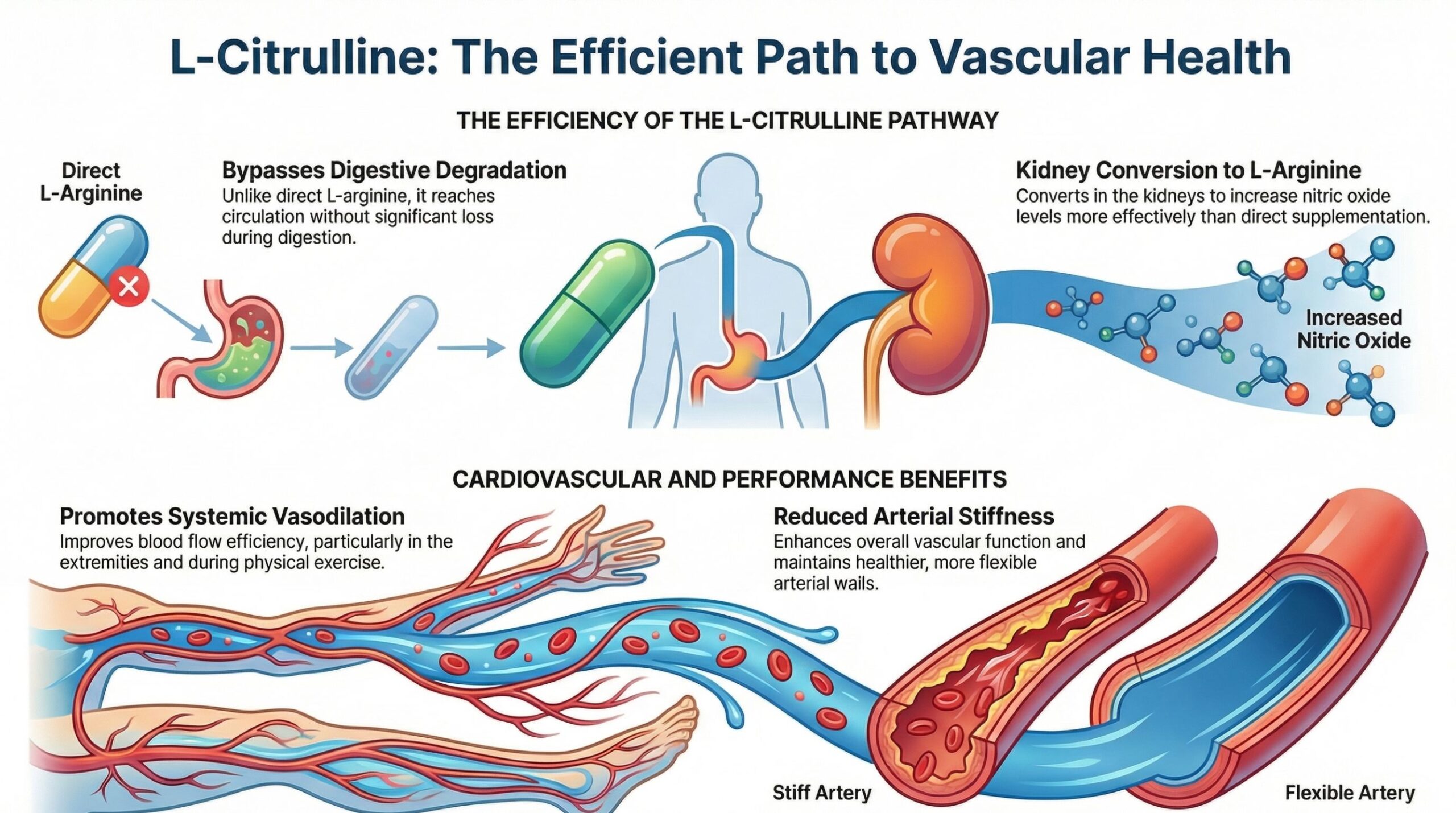
An amino acid that increases nitric oxide by converting to L-arginine in the kidneys — a more efficient route than taking arginine directly, which degrades significantly before reaching circulation. It promotes vasodilation and improves blood flow efficiency, particularly in the extremities and during exercise. A 2017 review in the Journal of Exercise Nutrition & Biochemistry confirmed its role in enhancing vascular function and reducing arterial stiffness.
2. Beetroot Powder
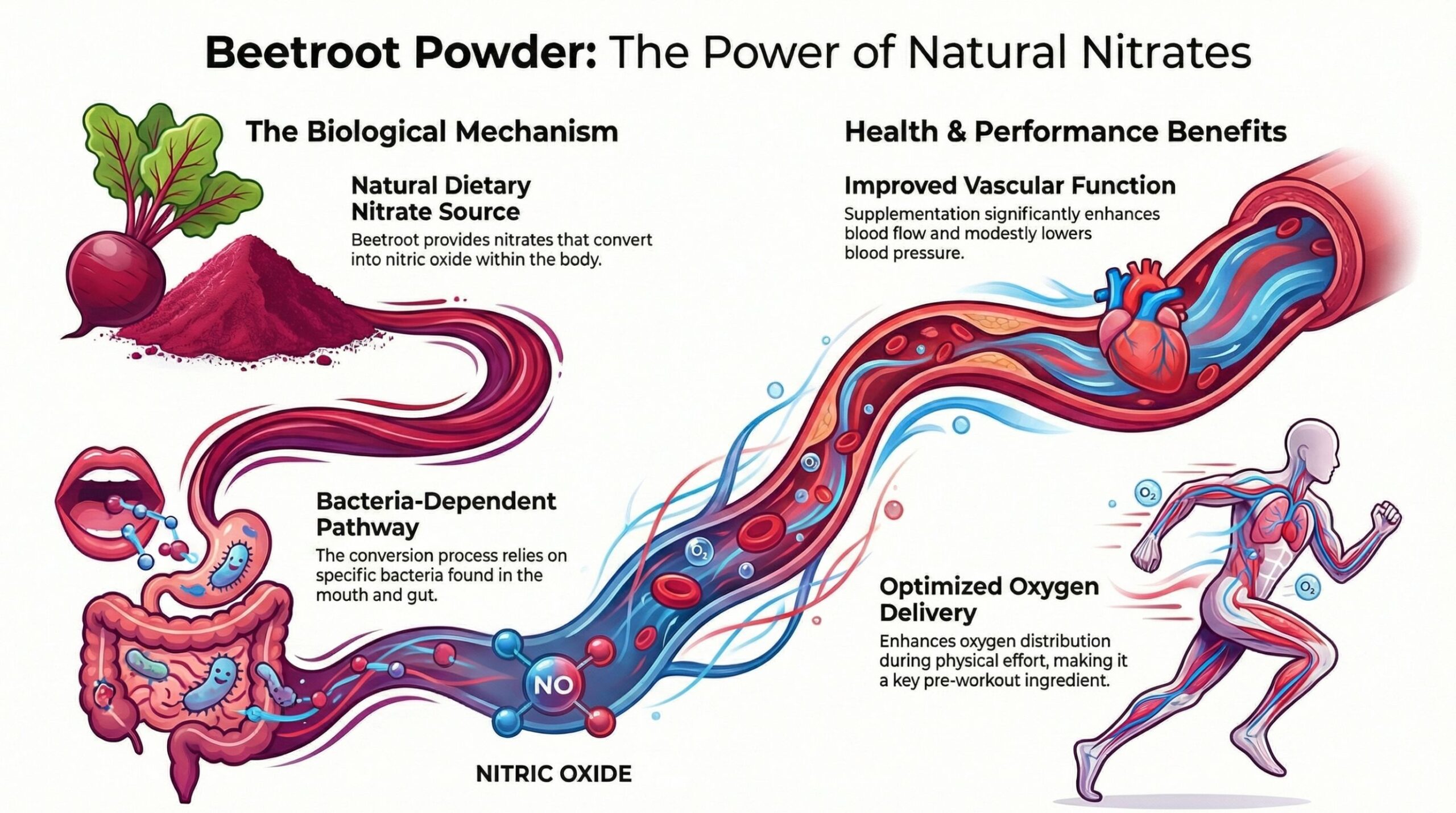
A natural dietary nitrate source that converts to nitric oxide through a bacteria-dependent pathway in the mouth and gut. A 2025 meta-analysis in the Journal of Hypertension found nitrate supplementation significantly improved vascular function across multiple populations. It also lowers blood pressure modestly and enhances oxygen delivery during physical effort, which is part of why it appears in pre-workout formulations alongside other performance compounds.
3. Omega-3 Fatty Acids
Essential fats that improve endothelial function, reduce vascular inflammation, and support overall heart health. The evidence base here is among the strongest in the supplement space. A large meta-analysis in the Journal of the American Heart Association found consistent cardiovascular benefits from EPA and DHA supplementation, particularly for triglyceride reduction and arterial flexibility.
4. Magnesium
A mineral that helps blood vessels relax and regulates pressure. The form matters significantly here — most people buy magnesium oxide because it’s cheap, but absorption is poor. For circulation specifically, magnesium glycinate or malate absorbs far better and is gentler on the digestive system. Magnesium deficiency is also more common than standard dietary surveys suggest, particularly in people who eat heavily processed diets.
5. Ginkgo Biloba
A well-studied herbal extract for microcirculation — the capillary-level blood flow that reaches the extremities and brain. Best suited for cold hands and feet, brain fog, and cognitive sluggishness tied to poor peripheral circulation. Worth noting that it has meaningful interactions with blood thinners, which is covered in the safety section below.
6. Pycnogenol (French Pine Bark Extract)
One of the more clinically substantiated circulation supplements available. It increases nitric oxide, improves capillary strength, and reduces leg swelling. The evidence for chronic venous insufficiency and leg circulation is particularly strong — a clinical trial in Angiology found significant reductions in leg oedema and heaviness with consistent use.
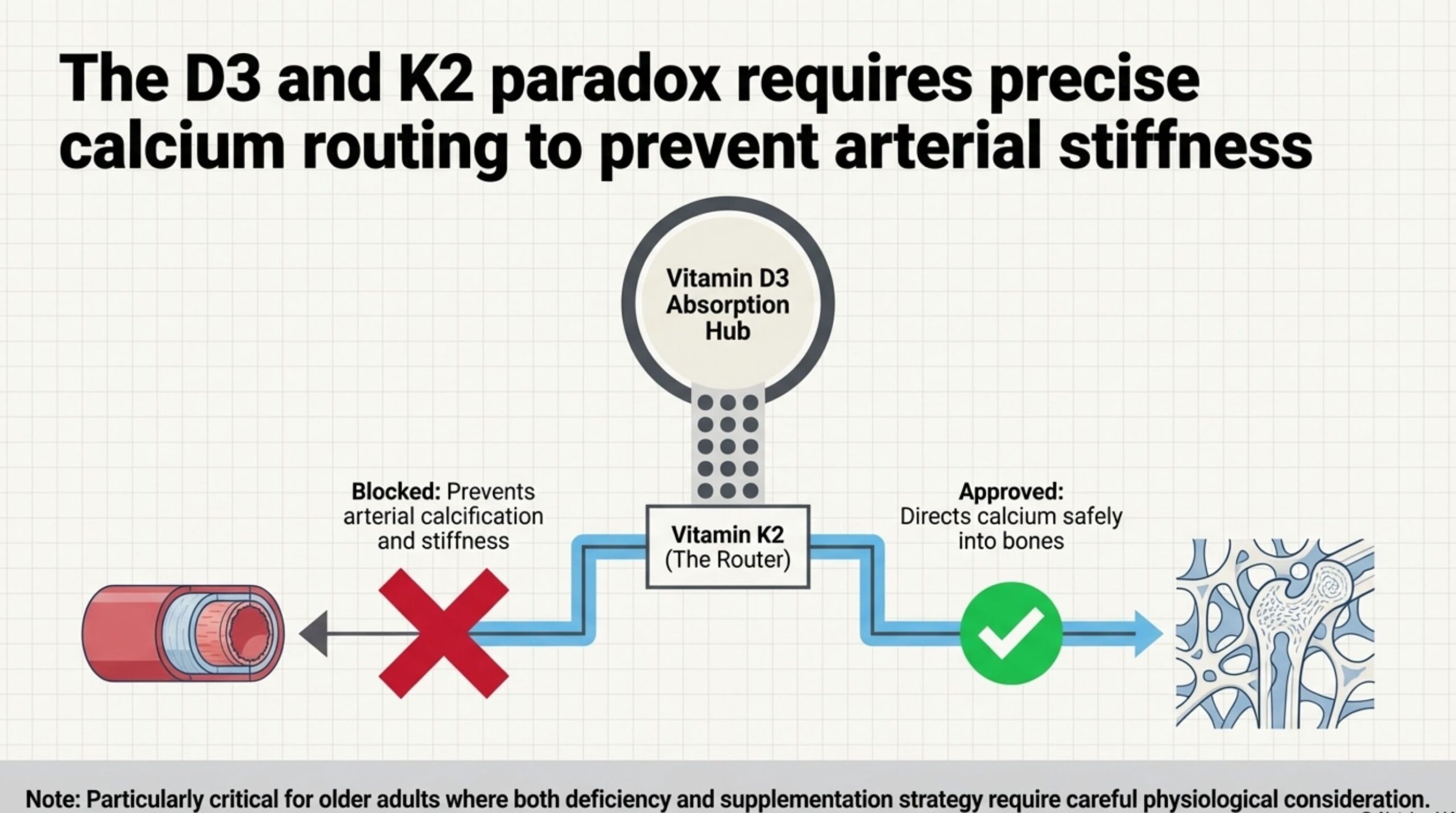
7. Vitamin D3 + K2
These two need to be taken together, and this combination is frequently misunderstood. Vitamin D supports calcium absorption; vitamin K2 directs that calcium into bones rather than arterial walls. Taking D3 without K2 over time may contribute to arterial calcification and stiffness, which is the opposite of what you’re trying to achieve. This pairing matters particularly for older adults, where both deficiency and supplementation strategy require more careful consideration than in younger people.
8. CoQ10
A compound involved in cellular energy production, particularly in the heart muscle. Most relevant for older adults, people experiencing fatigue alongside circulation issues, and anyone taking statins, which are known to deplete CoQ10 levels. Research in the European Journal of Nutrition has shown CoQ10 supplementation can improve endothelial function independently of its energy-production role.
9. Iron (Only If Deficient)
Iron is essential for oxygen transport. But supplementing iron without a confirmed deficiency is genuinely counterproductive and potentially harmful. Test first. If you’re unsure how to interpret results or how long blood test results take, that’s worth understanding before acting on a hunch.
Circulation Stack Synergy
Most people take one supplement and expect results. That rarely works because the mechanisms don’t overlap enough to produce a meaningful cumulative effect from a single agent.
A more logical approach works in three layers:
- Layer 1 — Boost Blood Flow: L-citrulline and beetroot work the nitric oxide pathway, improving vessel dilation and immediate flow efficiency.
- Layer 2 — Repair Blood Vessels: Omega-3, pycnogenol, and vitamin D address endothelial dysfunction at the structural level.
- Layer 3 — Protect Arteries: Vitamin K2 and magnesium reduce stiffness and prevent calcification over the longer term.
Combining across all three layers produces better outcomes than rotating through individual supplements without a coherent strategy. This mirrors the logic behind amino acid stacking — where the interaction between compounds matters as much as the individual doses.
Clinical Dosage Guide
| Supplement | Daily Dosage | Best Form |
|---|---|---|
| L-Citrulline | 3,000–6,000 mg | Citrulline Malate (2:1) |
| Magnesium | 300–400 mg | Glycinate / Malate |
| Omega-3 | 1,000–2,000 mg EPA/DHA | Triglyceride form |
| Beetroot | 500–1,000 mg nitrates | Standardised extract |
| Pycnogenol | 100–200 mg | 65–75% standardised |
Safety and Interactions
Several circulation supplements affect blood clotting and interact meaningfully with common medications. Ginkgo biloba, omega-3 at higher doses, and pycnogenol all carry increased bleeding risk when combined with warfarin, aspirin, or NSAIDs. This isn’t theoretical — it’s documented in clinical interaction databases and worth flagging with a prescribing doctor before starting.
If you have heart disease, diabetes, are pregnant, or take blood pressure medication, the risk-benefit calculation changes enough to warrant professional input rather than self-directed supplementation.
Common Mistakes
Taking supplements without a strategy produces weak results. Sitting for most of the day largely cancels vascular benefits regardless of what you’re taking — movement is not optional here. Choosing low-quality forms — magnesium oxide, non-standardised herbal extracts — undermines absorption before the supplement has a chance to work. And expecting results within days rather than weeks sets up unnecessary disappointment. Most circulation improvements take 4–8 weeks of consistent use to become noticeable.
The timeline issue is worth understanding more broadly. How long supplements take to produce measurable effects depends on your starting point, your deficiency level, and whether you’re supporting the supplement with the lifestyle basics that make it possible for any vascular intervention to work.
Beyond Supplements
Supplements amplify — they don’t replace. Daily walking for 20–30 minutes, consistent hydration, leafy greens that provide dietary nitrates, and stress management all contribute to vascular health in ways that no supplement can fully compensate for if they’re missing.
Women in particular sometimes find that circulation issues connect to broader hormonal and nutritional patterns — how nutrition needs vary across different life stages is a relevant context when trying to understand why the same supplement protocol produces different results in different people.
FAQs
Q. What is the best supplement for circulation?
The best supplements for circulation include L-citrulline, beetroot (nitrates), omega-3 fatty acids, magnesium, and pycnogenol. These improve blood flow by increasing nitric oxide, supporting endothelial health, and reducing inflammation. Combining supplements often works better than using just one because they target different mechanisms.
Q. What are the best supplements for blood circulation in the legs?
For leg circulation, pycnogenol and beetroot are among the most effective. They support microcirculation, improve blood flow in small vessels, and may reduce symptoms like leg swelling, heaviness, and discomfort associated with poor circulation.
Q. Do supplements really improve blood circulation?
Yes, supplements can improve blood circulation when used consistently and at the right dosage. However, they work best alongside lifestyle changes like regular movement, proper hydration, and a balanced diet. Supplements alone cannot fully offset a sedentary lifestyle.
Q. Why didn’t horse chestnut work for my circulation?
Horse chestnut often fails due to low dosage or poor standardization. Effective supplements typically require around 300 mg daily standardized to 16–20% aescin. Many over-the-counter products contain lower or inconsistent amounts, which reduces effectiveness.
Q. How long do supplements for circulation take to work?
Most people notice improvements in circulation within 4 to 8 weeks. Results depend on consistency, supplement quality, dosage, and overall health. Some may feel early changes (like warmer hands or better energy) within a few weeks.
Q. Can poor circulation be reversed naturally?
In many cases, poor circulation can be improved or partially reversed through a combination of supplements, physical activity, and diet changes. Early-stage circulation issues caused by inactivity or nutrient deficiencies are often more reversible than those linked to advanced cardiovascular disease.
Q. Which vitamins help improve blood flow naturally?
Vitamins that support blood flow include vitamin D, vitamin K2, and certain B vitamins, as they help maintain healthy blood vessels, support endothelial function, and improve overall cardiovascular health.
Q. What is the fastest way to improve circulation naturally?
The fastest way to improve circulation is to combine nitric oxide–boosting supplements (like L-citrulline or beetroot) with daily movement, hydration, and reduced sitting time. This combination enhances blood flow more effectively than any single approach.
Conclusion
Fixing circulation isn’t about finding one miracle supplement. It’s about understanding what’s actually happening inside your blood vessels — and addressing that systematically.
Nitric oxide production and endothelial health are the foundation. Stacking supplements across complementary mechanisms works better than single-supplement approaches. Quality and dosing form matter more than label claims. And lifestyle — movement, hydration, diet — remains the foundation that supplementation builds on, not the other way around.
Start with two or three targeted supplements, stay consistent, and keep the lifestyle basics in place. That’s how real improvement happens.
This article is for informational purposes only and does not constitute medical advice. Always consult a qualified healthcare professional before starting any new supplement regimen.
Explore our full library of expert-reviewed health and nutrition guides at Pure Magazine.