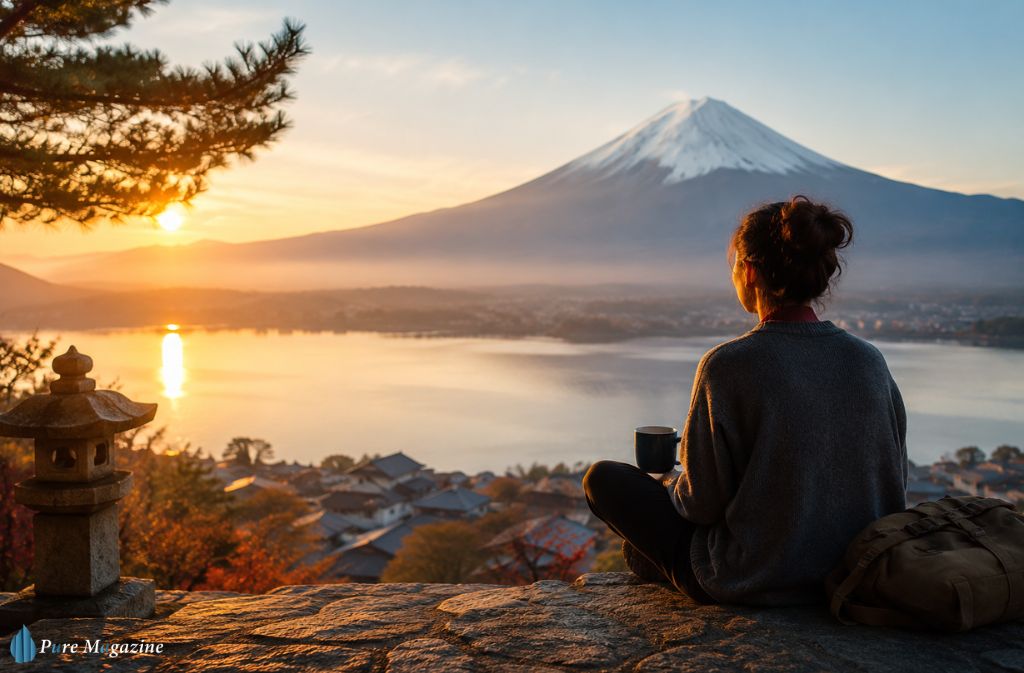
Most travel advice assumes you want to talk to strangers at every hostel bar and squeeze into a group tour by day three. If that sounds exhausting rather than exciting, you’re not alone — and you’re not broken. The best solo travel destinations for introverts aren’t about avoiding people entirely. They’re about choosing places where solitude is built into the culture, where you can move at your own pace without constantly negotiating small talk, and where a quiet afternoon isn’t something anyone expects you to fix.
This guide skips the generic “top 10 cities” listicle format. Instead, it breaks down what actually makes a destination introvert-friendly — pacing, social norms, solo-dining infrastructure, safety, and accommodation options that protect your privacy — then matches that criteria against places that consistently deliver.
What Actually Makes a Destination Good for Introverts
A destination earns its spot here for reasons that have little to do with Instagram appeal. Pace matters more than almost anything else. Cities that treat mealtimes as communal events and expect constant eye contact from strangers can drain an introvert’s social battery before lunch. Cities built around quiet rituals — solitary walks, unhurried tea, reading in cafés with zero pressure to chat — let the same traveler recharge just by existing in public.
Four pillars separate the destinations that genuinely work for introverts from the ones that only look peaceful in photos:
- Solo dining infrastructure. Places that treat eating alone as unremarkable, not places that hand you pitying looks and a table by the kitchen.
- Low-friction transit. Automated, predictable systems — apps, kiosks, tap cards — that don’t require haggling or navigating unfamiliar verbal negotiations.
- Understated social scripts. Cultures where silence carries no obligation, and minimal small talk is the baseline rather than the exception.
- Accessible solitude. A city layout that lets you step out of a high-stimulation street and straight into a quiet shrine, park, or coastal path within minutes.
The strongest destinations pair low-pressure social norms with genuine, reachable solitude — not isolation for its own sake, but the option to disappear into quiet whenever you need it.
Quick Comparison: Where Each Destination Wins
| Destination | Core Introvert Strength | Best Accommodation Style | Best Recharge Spot |
|---|---|---|---|
| Japan | Hyper-automated solo dining and near-silent transit norms | Capsule and cabin hotels (e.g., Nine Hours, First Cabin) | Early-morning temples in Kyoto or Kanazawa |
| Iceland | Vast, low-population wilderness | Campervans or isolated rural cabins | Remote hot springs in the Westfjords |
| Portugal | Warmth without social pressure | Boutique guesthouses with private rooms | Miradouros (lookout points) at dawn |
| New Zealand | Well-marked, structured trail solitude | DOC backcountry huts or quiet holiday parks | South Island glacial lakes |
Japan: The Gold Standard for Solo Travelers Who Value Quiet
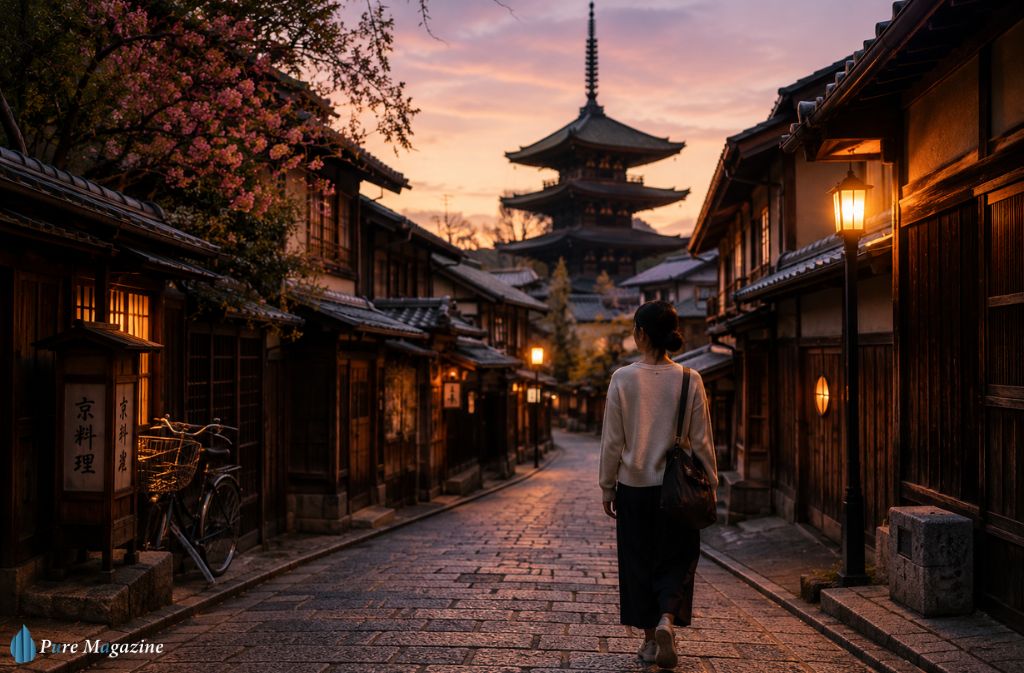
Japan shows up on almost every serious list of solo travel destinations for introverts, and the reputation is earned. Solo dining isn’t just tolerated here — it’s architecturally supported. Ramen chains like Ichiran built entire restaurant layouts around individual booths with dividers, specifically so diners never have to interact with anyone.
Public transit runs on a strict norm of near-silence. Phone calls on trains draw quiet disapproval, loud conversation is considered rude, and no one expects eye contact or chit-chat during a commute. That means the basic infrastructure of daily travel — trains, ticket machines, convenience stores — requires almost no forced social interaction.
Beyond Tokyo, Kyoto and Kanazawa reward slower exploration. Renting a bicycle and riding along the Kamo River at dusk, or wandering the preserved wooden Machiya districts, offers full immersion without ever needing to explain your presence to anyone. Japan also ranks among the safest countries in the world, which means solo night walks require none of the defensive alertness they might elsewhere.
For sleep, skip the shared-dorm hostel circuit. Capsule and cabin-style hotels — Nine Hours and First Cabin are two well-known chains — give you total privacy at a fraction of a standard hotel’s price, which solves the two biggest tensions in introvert travel at once: budget and personal space.
Iceland: Solitude as the Main Attraction
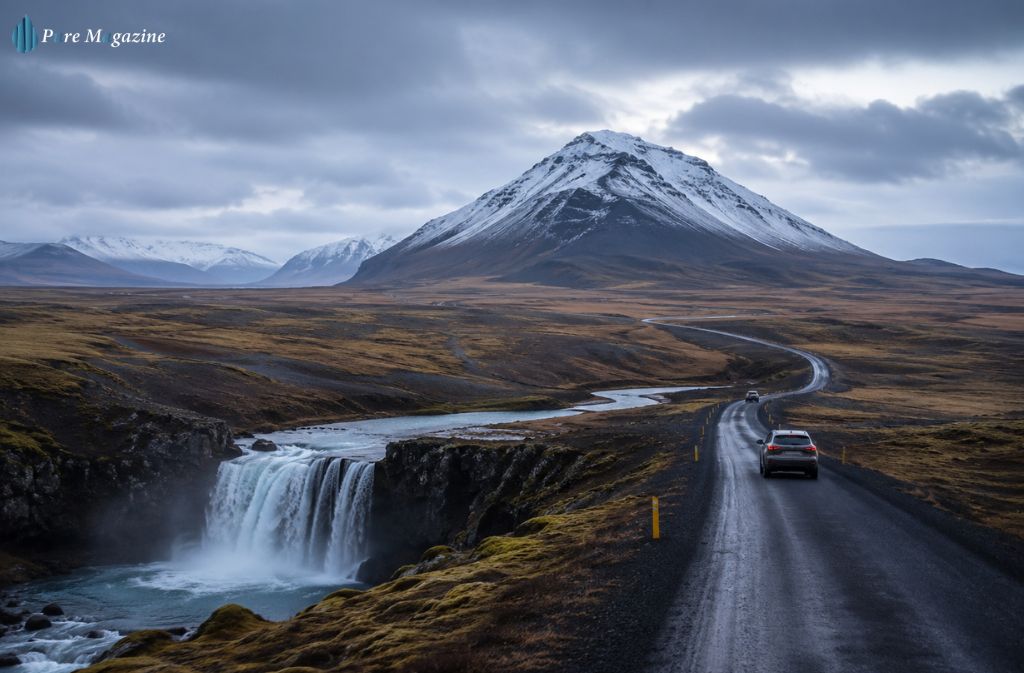
Iceland flips the usual travel equation. In most destinations, you carve solitude out despite the crowds. In Iceland, especially outside the Golden Circle in summer, solitude is often the default. Drive an hour outside Reykjavik and you can go long stretches without seeing another car, let alone another person.
This is a destination built for travelers who find restoration in landscape rather than conversation. Self-driving the Ring Road puts you in total control of pacing — stop for two hours at a waterfall, or skip a stop entirely, without negotiating anyone else’s schedule. Icelanders are also famously comfortable with silence in conversation, so there’s little cultural pressure toward relentless small talk.
Cost and weather are the honest tradeoffs. Iceland isn’t cheap, and the same isolation that makes it restorative can turn into a real problem if something goes wrong on a remote stretch of road. Treat trip prep as non-negotiable: download the SafeTravel Iceland app, check live road conditions through vedur.is before you drive, and keep an offline map saved in case you lose signal.
Portugal: Warm Without Being Overwhelming
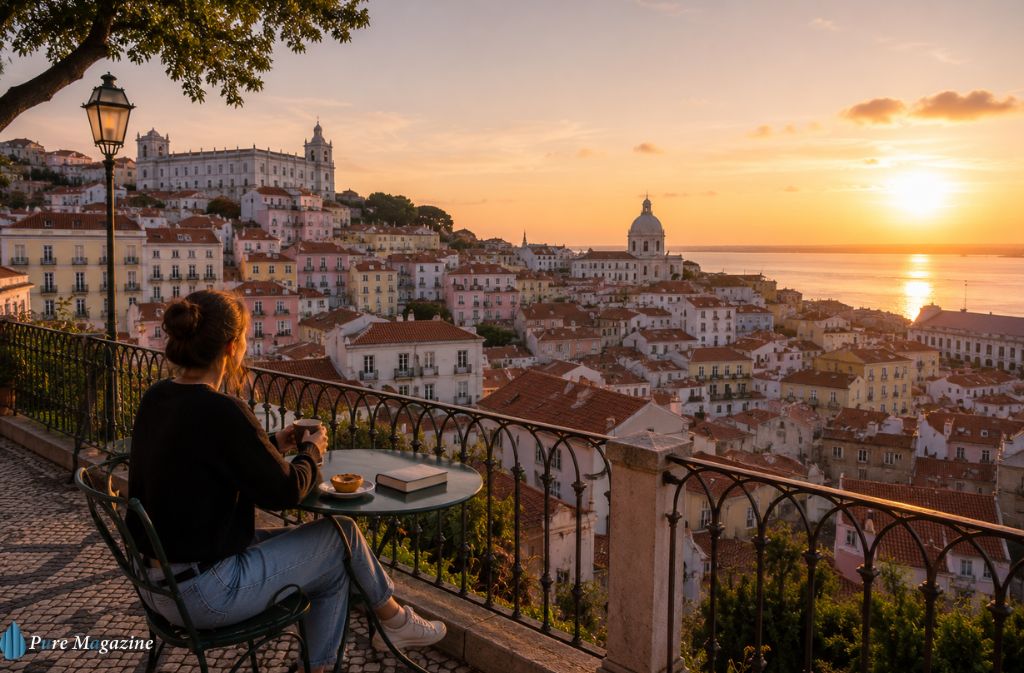
Portugal solves a problem a lot of quieter European destinations don’t. It offers genuine warmth and hospitality without the high-energy intensity of southern Spain or Italy’s more performative social culture. People are friendly if you initiate a conversation, but they won’t pull you into one if you’d rather stay anonymous.
Lisbon rewards aimless wandering. Its hilly, miradouro-dotted layout naturally produces quiet lookout points where you can sit alone with a pastel de nata and a book without anyone treating that as strange. Porto offers a smaller, slower version of the same texture, with riverside walks that ask nothing of you socially.
For deeper solitude, skip the crowded Algarve beach towns and head instead to Coimbra, a university city with quiet riverside gardens and far fewer tourists than Lisbon or Porto, or to the Ria Formosa’s barrier islands off the southern coast, where you can spend a full day on nearly empty sand. The interior Alentejo region, with its rolling cork-oak countryside, and the volcanic hiking trails of the Azores both deliver near-total quiet within a few hours of a major city — a rare combination of accessibility and genuine remoteness.
New Zealand: Nature-First Travel With Low Social Pressure
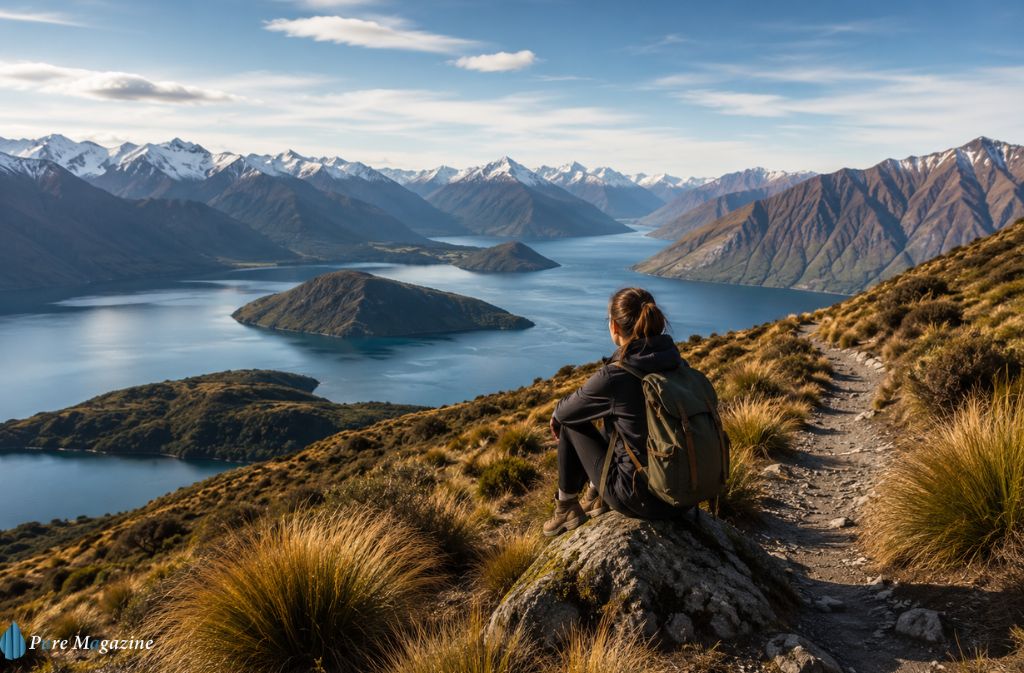
New Zealand rewards travelers who’d rather spend a day on a trail than in a crowded market. Its hiking infrastructure — the Great Walks network especially — is built for people who want structured, well-marked solitude rather than the uncertainty of true wilderness survival. You can hike for hours, encounter almost no one, and still feel completely oriented and safe.
Kiwi social culture leans toward understatement. Small talk exists, but it’s rarely pushy, and there’s little pressure to explain why you’re traveling alone. Holiday parks and many hostels carry a live-and-let-live atmosphere rather than an aggressive, mandatory-fun social scene. For overnight stops on multi-day hikes, the Department of Conservation’s backcountry huts offer basic, no-frills privacy that beats a crowded dorm room every time.
The main consideration is distance and cost — New Zealand sits far from most of the world, and moving between the North and South Islands takes real planning. Travelers who build slower, fewer-stop itineraries tend to enjoy the country far more than those trying to see everything in ten days.
Also Read: How to Pick a Travel eSIM Card
A Practical Framework for Choosing Your Own Destination
If none of the above fits your budget, timeline, or interests, you can evaluate almost any place on Earth with three quick questions:
- Does local transit require verbal negotiation — like unmetered taxis — or can you manage it entirely through apps and kiosks?
- Are there green spaces, libraries, temples, or quiet public areas accessible from the urban core, not just on the outskirts?
- Is solo dining normalized, or does the local food culture revolve around family-style sharing platters that assume a group?
It’s also worth being honest about pacing before you book anything. Introverts traveling solo almost always do better with fewer destinations and longer stays than with an ambitious multi-city itinerary. Constant relocation — a new hotel, a new train station, a new neighborhood every two days — is one of the most reliable ways to drain the exact energy a trip is supposed to restore.
Frequently Asked Questions
Q. Is solo travel harder for introverts than for extroverts?
Not inherently. It often suits introverts particularly well, since traveling solo removes the constant social negotiation that comes with group trips. The real challenge is choosing destinations and a pace that don’t force unwanted stimulation.
Q. How do I avoid loneliness without draining my social battery?
Aim for small, low-stakes interactions instead of sustained ones. A brief exchange with a barista, a nod to a fellow hiker on a trail, or a quiet museum tour all provide real human connection without the exhaustion that comes with prolonged small talk.
Q. Are big cities ever good choices for introverted travelers?
Yes, if the city has strong solo-dining norms and accessible quiet spaces. Tokyo, Taipei, and London all manage this despite their size, largely through automation, transit design, and abundant parks.
Q. What’s the biggest logistical mistake introverted travelers make?
Booking a shared hostel dorm to save money. If you can’t recharge in total privacy at the end of the day, the trip starts to feel like work. Private rooms, capsule hotels, and small studio apartments are usually worth the extra cost.
Q. Is it safe to prioritize remote, quiet destinations as a solo traveler?
Generally yes, but remoteness raises the stakes on preparation. Offline maps, emergency contacts, and basic safety planning matter more the farther you get from dense infrastructure — particularly in places like rural Iceland or New Zealand’s backcountry.
Q. How do I know if a destination will feel restful rather than isolating?
Look for balance: some structure — marked trails, reliable transit, established solo-travel norms — paired with genuine solitude. Total isolation with no support system nearby tends to tip from peaceful into stressful fast.
For more, visit Pure Magazine