


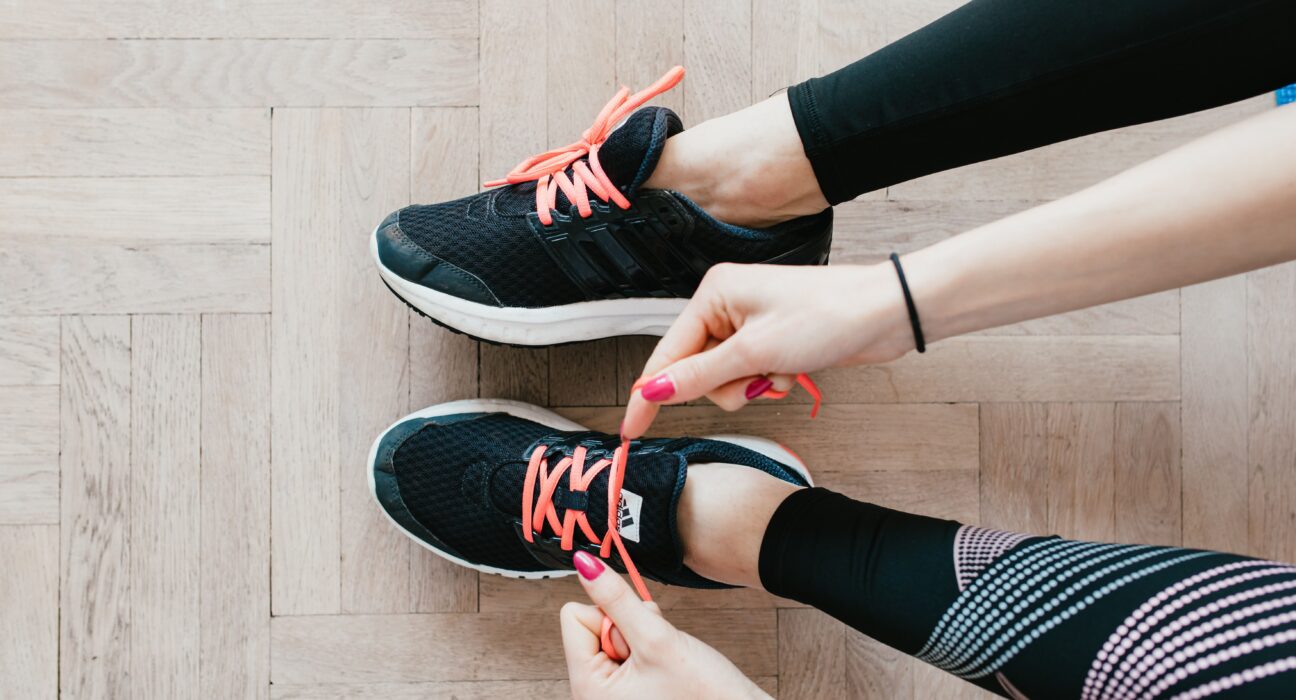
A pair of shoes can fit perfectly at 9 a.m. and feel completely different by late afternoon.
For women whose feet regularly swell, that change can make shoe shopping frustrating. The toes may begin to feel crowded, a strap that was comfortable in the morning starts pressing across the instep, or the sides of the forefoot push against the upper. Buying a larger size seems like the obvious answer, yet extra length often creates a loose heel without providing enough room where the swelling actually occurs.
The best shoes for swollen feet need to accommodate changing foot volume rather than simply being oversized. Width matters, but so do depth, toe-box shape, upper construction and adjustable fastenings.
It is also worth remembering that swelling itself is a symptom, not a footwear diagnosis. The NHS describes oedema as swelling caused by fluid collecting in body tissues. Common causes range from prolonged sitting or standing and pregnancy to certain medicines, varicose veins and some medical conditions.
Footwear cannot treat those causes. What it can do is reduce unnecessary compression and make everyday walking considerably more comfortable.
Why Do Swollen Feet Need More Than a Bigger Shoe Size?
Swelling does not necessarily make a foot longer.
It may increase the circumference around the forefoot, add volume over the instep or make the ankle fuller. In some people, the difference is mild in the morning and much more noticeable after several hours on their feet.
Sizing up in length therefore solves the wrong measurement.
Suppose a woman’s normal size is UK 6, but the front of her shoe becomes tight in the afternoon. Moving to a size 7 may give her another centimetre or so of internal length, yet her forefoot may still be squeezed by the same general shoe shape. Meanwhile, the heel can begin lifting because the shoe is now too long.
Podiatry guidance focuses instead on three dimensions. Shoes should be long enough, wide enough and deep enough for the individual foot. MyHealthLondon’s NHS-linked footwear advice also recommends trying both shoes because most people have some difference between their feet.
That is a much better framework for swollen feet than simply buying “a size bigger.”
What Makes an Extra-Wide Shoe Different?
Extra-wide footwear is designed to provide greater room across part of the foot without necessarily increasing shoe length.
Women’s width terminology varies between manufacturers. Many brands use categories such as standard, wide and extra wide, but the precise dimensions are not universal. This means a wide fitting from one company can feel different from the same label elsewhere.
Shape matters just as much as the stated width.
Guys and St Thomas’ NHS Foundation Trust explains that wide-fitting footwear provides more room across the ball of the foot, while also advising people to choose a round or square front so that the toes are not squeezed.
That distinction is important. A wide shoe can still taper too sharply at the front.
Someone searching online for extra wide women’s shoes for swollen feet near me may therefore find it more useful to compare actual width categories and shoe shapes than to focus on the nearest retailer alone. FitVille UK’s current women’s range, for example, allows shoppers to filter between Wide/2E and Extra Wide/4E fittings, with styles including walking shoes, slip-ons, Mary Janes, sandals and adjustable designs.
The goal is not to find the widest shoe available. It is to find the width that gives the swollen areas enough space while still holding the rest of the foot securely.
Toe-Box Shape Can Matter as Much as Width
The toe box is the front portion of a shoe surrounding the toes and forefoot.
For swollen feet, a rounded or more naturally shaped toe box often works better than one that narrows aggressively toward the front. This becomes especially relevant if swelling occurs around the ball of the foot or if there are existing bunions, hammertoes or other prominent areas.
A useful test is surprisingly simple.
Stand in the shoes rather than judging them while seated. Look at the widest part of the foot and see whether it appears to sit inside the outline of the shoe rather than pushing strongly against the upper.
The toes should also be able to rest naturally.
A deep and wide toe box is commonly recommended in NHS podiatry guidance for people experiencing forefoot problems because narrow or pointed footwear increases compression.
Open-looking space in front of the toes is not enough if the shoe is squeezing them from the sides.
Depth Is the Dimension Many Shoppers Forget
A shoe can be sufficiently wide and still feel tight.
This often happens when swelling occurs across the top of the foot. A fuller instep may press against the tongue, laces or upper even when the forefoot has adequate side-to-side room.
That is a depth problem.
Extra-depth footwear provides more vertical space inside the shoe. This can also help when someone wears an orthotic or thicker insole because those devices raise the foot within the upper.
Trying to solve insufficient depth with a longer shoe can again create unnecessary movement elsewhere.
When comparing footwear, loosen the fastening fully and place the foot inside without forcing it. Once fastened, there should not be a hard line of pressure over the top of the foot.
If an insole or orthotic is worn regularly, bring it when testing new shoes. The Royal College of Podiatry notes that people using insoles should try prospective shoes with the devices fitted and that afternoon shopping may be helpful because feet can swell throughout the day.
Adjustable Closures Are Particularly Useful for Changing Foot Volume
One of the most practical features for swollen feet is not hidden inside the sole at all.
It is the fastening.
Laces, hook-and-loop straps and other adjustable systems allow the amount of space over the foot to be changed during the day. A fixed slip-on has far less ability to respond when the foot becomes fuller.
This matters because the ideal shoe should fit both before and after swelling increases.
Buying a very loose shoe in the morning so that it will accommodate afternoon swelling creates its own problems. The heel can move, the foot may slide forward and friction can develop.
Adjustability provides a better compromise.
Leeds Community Healthcare recommends shoes and sandals with adjustable straps, laces or Velcro-style fastenings because they help keep the foot in position. It also warns that loose footwear can contribute to slips and falls.
Some women may find a single wide-opening strap particularly convenient. Others will prefer conventional laces because they can adjust individual sections of the shoe more precisely.
Neither system is automatically better. What matters is having enough adjustment range.
Soft Uppers Can Help, but the Shoe Still Needs Structure
When a swollen area presses against a rigid seam or decorative panel, even a technically correct shoe width may become uncomfortable.
Softer uppers can adapt more readily to small changes in foot volume. Stretch-knit fabrics, soft leather and carefully positioned panels may reduce concentrated pressure compared with stiff materials placed directly over a swollen area.
The inside matters too.
Check for thick seams, rough stitching, folded linings or anything else that presses inward. These details may be barely noticeable during a short fitting but increasingly irritating after several hours.
Softness should not extend to the point that the shoe provides no control.
The heel still needs to remain reasonably secure, and the sole should be stable enough for ordinary walking. A shoe that stretches in every direction can become loose when swelling subsides.
Good swollen-foot footwear combines accommodation with retention. It gives where the foot needs room and holds where movement would otherwise become excessive.
When Is the Best Time of Day to Buy Shoes for Swollen Feet?
For women whose feet become larger during the day, later fittings usually give a more realistic picture.
NHS Scotland footwear guidance recommends shopping later in the day when feet tend to swell because this allows shoes to be assessed when the feet are closer to their largest everyday size. It also recommends fitting footwear to the larger foot if there is a difference between the two.
That does not mean everyone should wait until their swelling is at its absolute worst.
The aim is to reproduce normal daily conditions. If your feet reliably become fuller after work, try shoes around that time. If swelling occurs mainly during hot weather or travel, consider how the footwear can be adjusted under those circumstances.
Wear your usual socks during the fitting as well.
A shoe tested with a thin hosiery sock can feel noticeably different when worn with a thicker walking sock.
Cushioning and Width Solve Different Problems
It is easy to associate comfort with softness.
A heavily cushioned shoe may feel pleasant underneath the heel, but cushioning cannot create room across a swollen forefoot. Nor can a soft midsole compensate for an upper cutting into the instep.
Think of the features separately.
Width and depth determine whether the foot fits inside the shoe. Cushioning influences how the shoe feels under load. The outsole affects traction and durability. The fastening determines how securely and flexibly the shoe can be adjusted.
The best shoes for swollen feet bring those elements together rather than relying on one standout feature.
NHS guidance for oedema specifically suggests wide, comfortable footwear with a low heel and soft sole.
For women spending long days on hard floors or pavements, some underfoot cushioning can certainly improve comfort. The shoe should still feel stable when walking rather than excessively soft or unstable.
Why Very Loose Shoes Can Be Just as Problematic
There is a temptation to treat maximum internal space as the safest choice.
It is not.
When a shoe is substantially wider than the foot requires, the foot can move inside it. The heel may lift, the toes may grip involuntarily and the foot can slide forward during walking.
This can create rubbing even though there is no obvious compression.
Footwear should therefore be roomy rather than loose.
The difference becomes easier to feel when walking around a shop. Take more than a few steps. Change direction. If possible, use a slight incline.
The front of the foot should feel unrestricted, but the shoe should travel with the foot.
A secure fastening becomes particularly valuable for women whose swelling fluctuates because it allows the shoe to be tightened modestly when the foot is smaller.
Pregnancy Can Make Footwear Needs Change Quickly
Swollen feet and ankles are common during pregnancy, especially later in the day and as pregnancy progresses.
The NHS advises wearing comfortable shoes and socks and avoiding tight straps or anything that pinches when swelling is present.
For footwear shopping, this creates a slightly unusual problem. A pair may only be needed in its roomier configuration for part of the day or part of the pregnancy.
Adjustability can be more useful than simply buying substantially oversized shoes.
A wide opening can also make shoes easier to put on when bending becomes less comfortable.
Sudden increases in swelling during pregnancy should not simply be managed by changing footwear, particularly when accompanied by other concerning symptoms. That needs medical assessment rather than a bigger shoe.
Travel and Hot Weather Can Expose a Marginal Fit
Holiday footwear often gets chosen for style and convenience, but heat and long journeys can make a close-fitting shoe much less forgiving.
Prolonged sitting may contribute to swelling, while warm weather can increase the problem for some people. Someone who normally has only mild afternoon swelling may therefore notice a much greater change after a flight followed by a day of sightseeing.
Adjustable shoes are especially practical in this setting.
The NHS also advises movement and avoiding long periods in one position as part of general self-care for swollen feet and ankles.
Packing more than one suitable pair can help too. Alternating footwear changes the locations receiving pressure and provides an alternative if one style becomes uncomfortable.
A very narrow pair saved exclusively for dinner can still create problems if the feet are at their most swollen by evening.
Fashion Does Not Have to Disappear From the Buying Decision
Extra-wide footwear has traditionally carried an unfortunate reputation for being functional first and visually considered second.
That distinction has weakened.
Modern wide-fit ranges include trainers, Mary Janes, slip-ons, sandals and casual walking shoes in different colours and upper designs. FitVille’s current women’s collection is one example, offering several footwear types alongside its 2E and 4E width categories.
Pure Magazine’s previous footwear coverage has likewise approached comfort and supportive design as something that can coexist with everyday style rather than treating foot-friendly footwear as inherently clinical.
That matters because footwear is more useful when someone actually wants to wear it.
The order of priorities should still be sensible. Start with fit, then choose among the styles that meet that requirement.
A fashionable shoe that creates a pressure mark within an hour has failed regardless of how well it matches an outfit.
How to Shop Online When You Need Extra Width
Online shopping removes the opportunity for an immediate fitting, so measurements and return policies become more important.
Start with the retailer’s own size and width information rather than assuming that your usual size will translate perfectly.
Measure both feet while standing. If swelling varies considerably, it can be useful to measure at a time when your feet are normally fuller.
Then look beyond size.
Check whether the product has adjustable fastenings, a round or broad forefoot, removable insoles and any information about extra depth. Product photographs from above can also reveal whether the front tapers sharply.
A search for extra wide women’s shoes for swollen feet near me may suggest that a local fitting is the only practical route, but UK-wide online collections can also provide dedicated width filters. The FitVille UK destination page currently lists Wide/2E and Extra Wide/4E women’s footwear and specifically identifies swollen feet among the needs its wider range is intended to accommodate.
Whichever route you choose, try the shoes indoors first so they can be returned if the fit is wrong.
When Swelling Is Not Just a Footwear Issue
Familiar swelling with an established cause is one thing. New or unusual swelling is another.
The NHS advises seeking urgent medical help when swelling is severe, painful, starts very suddenly, affects only one leg without an obvious explanation, or is associated with redness or heat. Emergency assessment is advised when swelling occurs with symptoms such as chest pain, significant breathing difficulty or coughing up blood.
Footwear should not delay that assessment.
A larger or softer shoe may make a swollen foot temporarily easier to accommodate, but it cannot explain why the swelling appeared.
Persistent swelling without a known cause also deserves medical discussion rather than indefinite self-management through footwear.
FAQs About Best Shoes for Swollen Feet
Should women with swollen feet buy shoes one size bigger?
Not automatically. Swelling often increases width or depth rather than length. Buying a longer shoe may create heel movement without solving pressure across the forefoot or instep. A wider or deeper fitting in the correct length is usually worth trying first.
Are extra-wide shoes always better for swollen feet?
No. The shoe should provide enough room without allowing the foot to slide. Some women need a wide fitting rather than the widest available option. Adjustable fastenings are particularly helpful when foot volume changes during the day.
What type of fastening works best for swollen feet?
Laces and adjustable straps are both useful because they can be loosened or tightened as foot volume changes. NHS podiatry guidance recommends adjustable fastenings because they help secure the foot and reduce excessive movement.
Should I try shoes in the morning or afternoon?
If your feet usually swell through the day, afternoon or later-day fitting is generally more representative. NHS Scotland footwear guidance recommends shopping later when swelling makes the feet larger.
Comfort Comes From Space in the Right Places
Finding footwear for swollen feet is not about buying the biggest shoe you can tolerate.
The useful space has to be in the right place.
A broad forefoot needs enough width. Swelling over the top of the foot requires depth. Toes need a front shape that does not squeeze them together. Adjustable closures then make it possible to respond when the foot is smaller in the morning and fuller several hours later.
That combination is more valuable than simply adding length.
Women dealing with recurring swelling should also resist treating footwear as an explanation for the swelling itself. Shoes can accommodate a changing foot, reduce avoidable pressure and make walking more comfortable. They cannot diagnose why the change is happening.
Once that distinction is clear, choosing shoes becomes much easier. Measure the foot you actually have at the time you normally wear the shoes, leave enough room for realistic changes in volume, and choose a design that can be secured without squeezing.
Extra width works best when it feels less like an oversized shoe and more like a shoe that was finally made in the correct shape.
For more, visit Pure Magazine