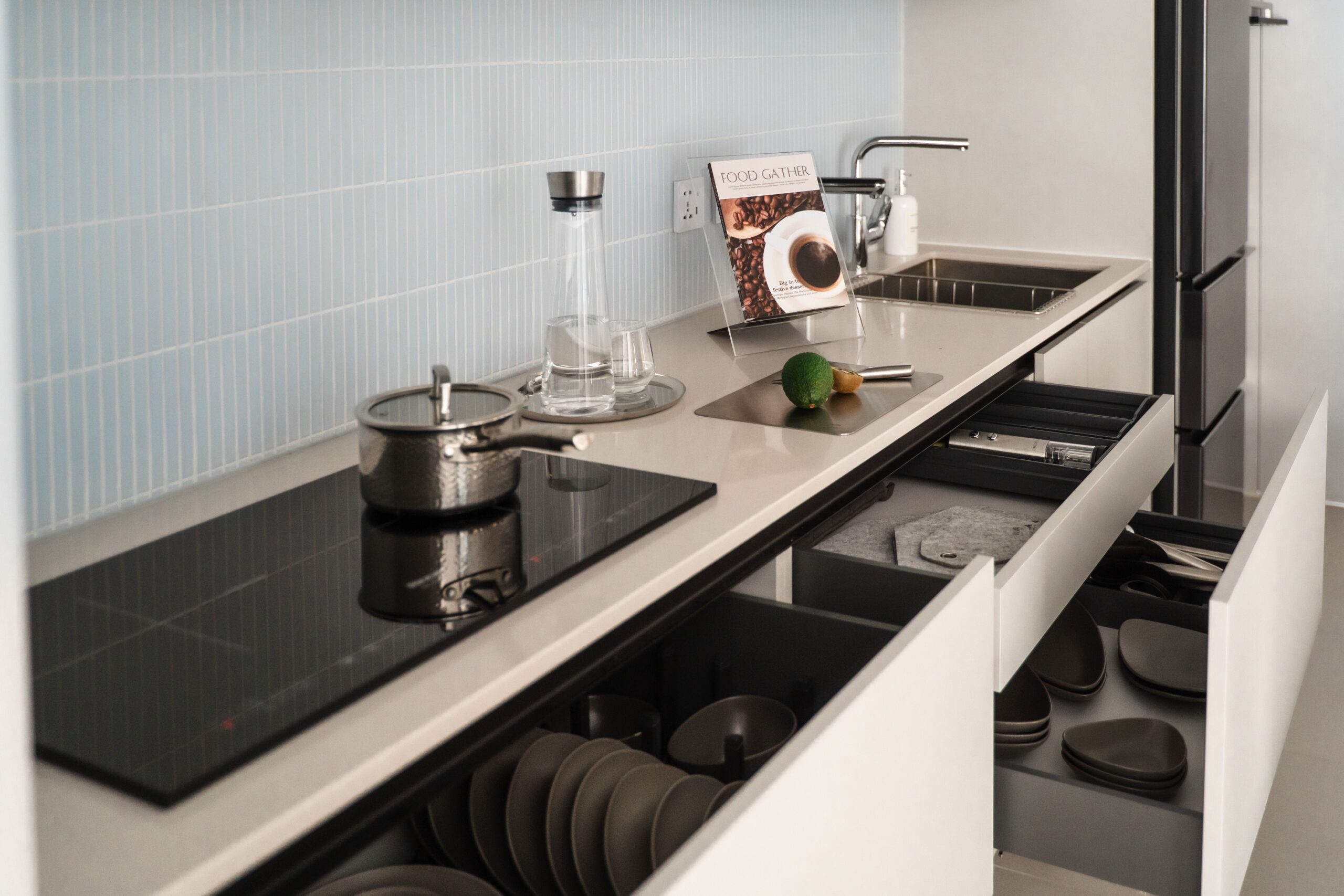
Portable induction cooktops provide a convenient way to cook in small spaces, during travel, or when you need extra cooking capacity. These units heat cookware directly through electromagnetic energy, which makes them faster and more efficient than many traditional options.
If you live in an apartment, travel in an RV, or manage a busy household, a reliable, best portable induction cooktop can simplify meal preparation without major kitchen changes. This article covers how these devices work, their main advantages, potential limitations, current options, and factors to consider before purchase.
How Portable Induction Cooktops Work
Induction cooktops generate a magnetic field beneath a flat surface. When you place compatible cookware on it, the field induces electric currents in the pan’s base, producing heat directly in the cookware. The surface itself stays relatively cool because it does not generate heat independently.
This process differs from gas stoves, which rely on open flames, or electric coils, which heat elements that then transfer warmth to the pan. Induction delivers quick response times: many models bring water to a boil faster than comparable gas or electric units while using energy more effectively.
Power levels on portable units typically range from 1000W to 1800W. Higher wattage supports faster heating for tasks like boiling or searing, while lower settings allow controlled simmering. Most include digital controls for power or temperature adjustments in increments.
Key Benefits of Using a Portable Induction Cooktop
Portable induction models offer several practical advantages for daily use.
- Speed and Efficiency: Heat transfers directly to the pan, reducing waste. Tests show some units boil water noticeably quicker than gas alternatives. Energy transfer reaches around 85% efficiency in many cases, compared to lower rates for gas.
- Safety Features: The surface does not stay hot after removing the pan. Many models include auto-shutoff if no cookware is detected within a short time, child locks, and timers. This setup lowers risks compared to open flames.
- Ease of Cleaning: A smooth glass surface wipes down easily with a damp cloth. Spills do not burn onto the cooktop as readily since the surface remains cooler.
- Portability and Space Savings: Lightweight designs (often under 5-6 pounds) and compact footprints fit on countertops or store away. They suit apartments, dorms, RVs, camping setups, or temporary extra burners during holidays.
- Kitchen Temperature Control: Less ambient heat escapes into the room, which helps keep spaces cooler during warm weather.
Users in small living areas or those testing induction before a full upgrade often find these units address real needs without permanent installation.
Ciarra Gadgets offers models designed with these benefits in mind, including compact options suitable for everyday tasks. Check their selection at ciarra gadgets for current choices.
Common Challenges and Considerations
While useful, portable induction cooktops have some limitations to note.
- Cookware Requirements: Only magnetic-base pans work well. Cast iron, certain stainless steel, and enameled options succeed. Test unknown pans with a magnet—if it sticks firmly, the pan is compatible. Non-magnetic materials like aluminum or glass require adapters or replacement.
- Power and Noise: Fans run to cool internal components, producing noticeable sound similar to a range hood. Models differ in volume and how long fans continue after use. Overheating protection may activate during extended high-power sessions.
- Learning Curve: Digital controls and preset levels take practice. Fine adjustments differ from gas knobs, especially for low-heat tasks like melting chocolate or simmering sauces.
- Limited Capacity for Heavy Use: Single-burner portables handle one pot at a time. Power output splits on dual models, and continuous high-heat cooking for hours can strain smaller fans.
- Surface Care: Glass tops resist scratches better with proper pans but still require care to avoid damage from heavy or rough cookware.
Many of these issues improve with quality models and user familiarity. Reading instructions and starting with simple recipes helps.
Current Trends in Portable Induction Cooktops
The category continues to evolve with user needs in mind.
- Improved Controls: More units feature clear digital displays, multiple power and temperature settings (often 8–20 levels), and timers up to several hours. Some include precise temperature ranges from around 140°F to 460°F.
- Focus on Quiet Operation and Durability: Manufacturers work on reducing fan noise and enhancing build quality for reliable daily use.
- Energy Awareness: Demand grows for efficient appliances amid rising energy costs and environmental considerations. Portable units align with this by minimizing waste.
- Design for Small Spaces: Compact, lightweight, and stylish options appeal to urban dwellers and mobile users. Bundles with compatible cookware simplify setup.
Popular recommendations often highlight models like those from Duxtop for consistent performance, but options vary by budget and features.
What to Look For When Buying
Consider these points to match a unit to your needs:
- Power Output: 1500W–1800W covers most home cooking. Lower settings matter for gentle tasks.
- Controls and Features: Look for intuitive touch panels, timers, safety locks, and clear displays. Temperature presets help with consistency.
- Build and Size: Sturdy construction, stable feet, and manageable dimensions support portability and safety.
- Certifications: ETL, FCC, or similar marks indicate tested safety and compliance.
- Value and Support: Compare performance reviews, warranty, and customer service. Bundles with pans can add convenience.
Test cookware compatibility before full reliance. Start with mid-range models if you cook frequently.
Ciarra Gadgets provides accessible portable options with features like multiple power levels, timers, and straightforward designs. Visit ciarra gadgets to review current models.
Practical Uses and Tips
Portable induction cooktops fit many situations:
- Extra burner during busy meal prep or gatherings.
- Backup when main appliances need repair.
- Outdoor or travel cooking where safe, flameless heat matters.
- Small-space or rental kitchens without full stove options.
Tips for best results:
- Use flat-bottomed, induction-ready pans sized to the cooking zone.
- Keep vents clear of debris for proper cooling.
- Wipe the surface after each use.
- Experiment with settings on water or simple foods first to learn responsiveness.
Many owners use them regularly alongside existing stoves for added flexibility.
Final Thoughts
A portable induction cooktop delivers speed, efficiency, and safety in a compact package suitable for various living situations. While cookware compatibility and fan noise require attention, the overall performance benefits many users who value quick, controlled cooking without permanent changes.
For more, visit Pure Magazine