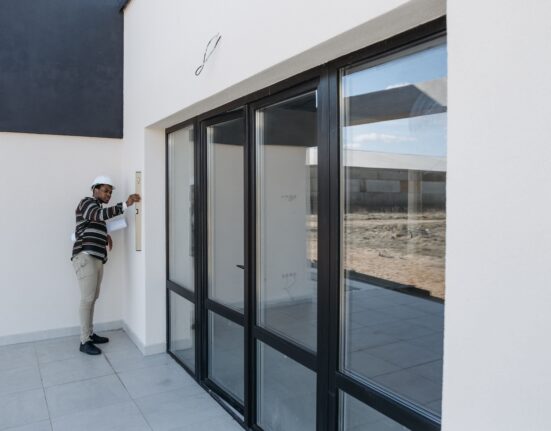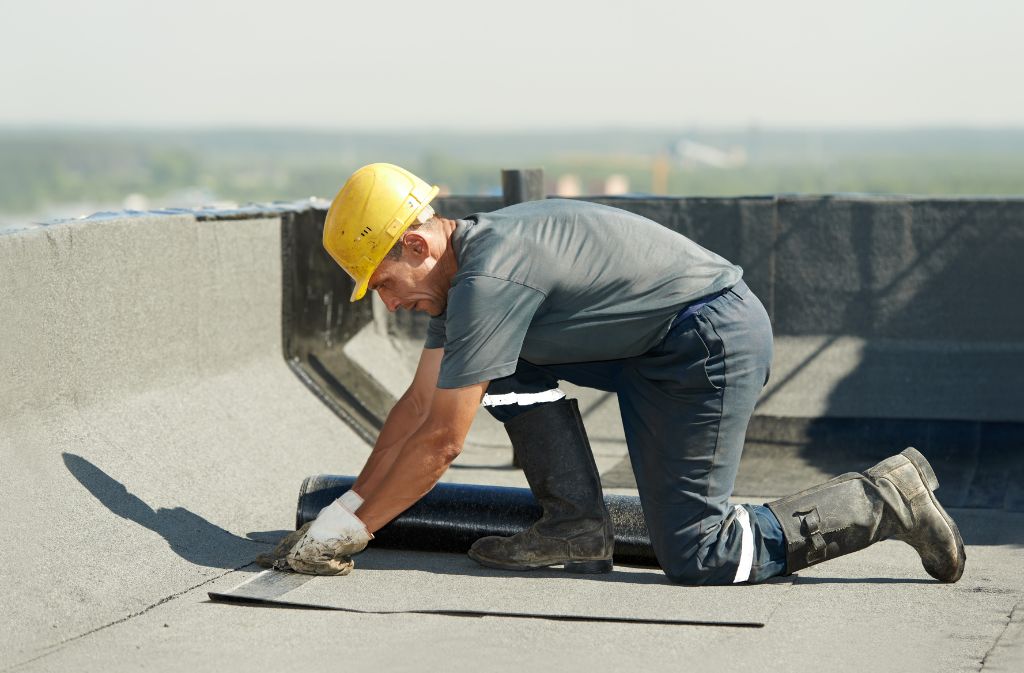
Commercial roofing in Southeast Texas is not a straightforward category of work. The region’s climate creates conditions that put roofing systems under constant stress — high humidity, extended heat, tropical storm exposure, and rainfall patterns that can shift dramatically within a single season. For facility managers, property owners, and operations directors responsible for large commercial or industrial buildings, the roof is not an aesthetic concern. It is a functional system that directly affects building integrity, interior operations, equipment protection, and long-term capital planning.
When a roof fails prematurely, or when a repair creates more problems than it solves, the consequences are rarely limited to the roof itself. They spread into lease agreements, insurance claims, operational disruptions, and capital budgets that were not designed to absorb emergency spending. The gap between contractors who perform at a high level in this environment and those who do not is significant — and it shows up not in marketing language, but in how they actually operate before, during, and after a job.
Understanding what separates the stronger contractors from the rest is useful whether you are managing your first large-scale roofing project or reevaluating a relationship with a contractor who has delivered inconsistent results.
1. They Approach Southeast Texas as a Distinct Operating Environment
The best commercial roofing contractors southeast texas has to offer do not treat the region as an extension of general Southern roofing work. Southeast Texas — particularly the corridor from Beaumont through Port Arthur and into the surrounding industrial and petrochemical zones — has specific environmental demands that require deliberate material selection, scheduling awareness, and installation methodology. Contractors who operate here successfully understand that heat retention on flat or low-slope commercial roofs, combined with the moisture load from Gulf-adjacent humidity, accelerates material degradation in ways that differ from drier climates even a few hundred miles west.
This regional knowledge shapes how qualified contractors specify systems. It also shapes how they sequence work, since substrate conditions during installation affect long-term performance just as much as the membrane or coating applied on top. When evaluating contractors, it is worth asking directly how they adjust their work for this climate — not as a test, but because the answer reveals how much hands-on experience in this region they actually carry.
Many of the same criteria used to evaluate commercial roofing firms—such as proven experience, safety practices, and reliable project delivery—are also important when selecting Glasgow roofing contractors for large-scale roofing projects and ongoing property maintenance.
Resources like the U.S. Department of Energy’s building envelope guidance outline how thermal performance and moisture management interact in high-heat, high-humidity climates, which informs why climate-aware specification matters in commercial settings.
2. They Conduct Real Assessments Before Proposing Any Work
A roofing contractor who provides a proposal after a brief visual inspection is offering an estimate based on incomplete information. Strong contractors take a different approach. They assess the existing roof system in meaningful detail before recommending repair, restoration, or replacement — because the condition of the existing substrate, insulation, drainage plane, and flashing determines which solution will actually hold up over time.
Why Assessment Depth Changes the Outcome
In commercial roofing, the visible surface often tells only part of the story. Moisture trapped within insulation layers, failed seams that appear intact from above, or drainage problems that have been masked by previous patchwork — these conditions affect whether a new system will perform as intended or fail prematurely on top of an unresolved problem. Contractors who skip detailed assessment are not just cutting corners on process; they are setting up the client for a repeat problem within a shorter timeframe than expected.
A thorough pre-project assessment protects both parties. It produces a more accurate scope of work, which supports more reliable pricing. It also creates documentation that is useful for insurance purposes, warranty compliance, and future capital planning.
3. They Understand the Difference Between a Repair and a System Solution
Not every roofing problem requires full replacement, and not every problem can be resolved with a patch. The contractors who perform consistently well in commercial environments understand where the line is — and they communicate it clearly rather than defaulting to the solution that generates more revenue.
When Repair Makes Sense, and When It Does Not
A repair that addresses a localized failure on an otherwise sound roof is a legitimate and cost-effective approach. A repair applied to a roof that has reached the end of its serviceable life creates a false sense of resolution while the underlying deterioration continues. The distinction matters enormously for budget planning. A facility manager who receives three years of patch repairs before being told the entire system needs replacement has not saved money — they have spent money on temporary measures while the replacement timeline became more urgent.
The best commercial roofing contractors in Southeast Texas are direct about what a roof’s condition actually calls for. That directness is not always comfortable, but it is what allows property owners and operations teams to make informed decisions rather than reactive ones.
4. They Maintain a Reliable Workforce, Not Just a Labor Pool
Commercial roofing is skilled labor. The quality of installation is directly connected to the experience and consistency of the crew performing the work. Contractors who rely heavily on subcontracted labor or fluctuating workforces introduce variability into installation quality that shows up in long-term performance, not just in day-to-day jobsite management.
How Workforce Stability Affects Installation Quality
When the same crews work together repeatedly, they develop consistent habits around seam treatment, flashing detail, and penetration management — the areas where most commercial roof failures originate. They also carry institutional knowledge about how different materials behave in the heat of a Southeast Texas summer versus a wet spring, which informs small decisions made throughout the installation process. Contractors who maintain stable, trained crews produce more predictable outcomes than those who staff projects from variable labor sources, even when the materials and specifications are identical.
Asking a contractor about their workforce structure — whether crews are direct employees, how long key personnel have been with the company, and whether they invest in ongoing training — provides useful insight into how consistent their field performance is likely to be.
5. They Manage Project Sequencing and Weather Risk Proactively
In Southeast Texas, weather is not a background variable — it is an active project management factor. A contractor who does not account for how rapidly conditions can change on a given day, or across a season, is transferring risk onto the building owner without acknowledging it. Competent contractors build weather awareness into their project scheduling from the start.
What Proactive Scheduling Actually Looks Like
Proactive scheduling in commercial roofing means sequencing work so that open areas of the roof are never larger than what can be secured in a reasonable emergency window. It means having materials staged appropriately so that work is not delayed by delivery timing, and it means communicating clearly with the facility’s operations team so that interior-sensitive areas are not exposed during high-risk weather periods. It also means building realistic contingency into the project timeline rather than promising completion dates that assume perfect conditions.
When a contractor speaks honestly about weather risk and how they manage it, that is a sign of operational maturity. When a contractor dismisses the question or offers vague reassurance, that risk eventually lands on the client.
6. They Support Documentation and Warranty Compliance Without Being Prompted
Commercial roofing systems often come with manufacturer warranties that require specific installation conditions, certified applicators, and documented inspection milestones. Contractors who operate at a professional level track and support this documentation as a standard part of the job, not as an afterthought requested by the client.
Why Documentation Has Operational Value Beyond the Warranty
Roof documentation serves multiple functions beyond warranty activation. It creates a clear record of what system was installed, when, under what conditions, and by whom — information that becomes critical during insurance claims, property transactions, or disputes about responsibility for future damage. For facility managers overseeing multiple properties, consistent documentation across projects creates a defensible maintenance record that supports both operational planning and financial reporting.
The best commercial roofing contractors in Southeast Texas treat documentation as part of their professional standard, not as an administrative burden to be avoided or minimized.
7. They Communicate Transparently Across the Project Lifecycle
Project communication is one of the clearest indicators of how a contractor operates. Contractors who communicate well before a project starts, during active work, and after completion demonstrate an understanding that their client’s job does not end when the job site is active — it continues through everything the roof does for the life of the building.
What Transparent Communication Prevents
In commercial settings, poor communication creates cascading problems. A facility manager who is not informed of a one-day delay may have scheduled building access or contractor coordination around an assumption that is no longer accurate. A property owner who is not told about a subsurface condition discovered mid-project cannot make an informed decision about how to address it. Contractors who communicate proactively prevent these problems from becoming disputes or trust failures.
Transparent communication also extends to post-project support. When a client calls with a question or concern after a project is complete, how a contractor responds to that contact is often more revealing than anything that happened during the job itself.
Closing Thoughts
The differences between contractors who perform consistently well in commercial roofing and those who do not are not usually dramatic at first glance. They show up in how a contractor conducts their assessment, how they structure their workforce, how they handle weather variability, and how they communicate when something does not go according to plan. These are operational characteristics, not marketing claims — which is precisely why they are worth examining carefully before any commercial roofing relationship begins.
For commercial properties in Southeast Texas specifically, where the climate creates real and persistent stress on building envelopes, the quality of the contractor matters more than it might in more forgiving environments. Finding the best commercial roofing contractors in Southeast Texas means looking past proposals and price points to understand how a contractor actually works — because that is where the long-term value of any roofing investment is either protected or eroded.
The operational standards described throughout this article are not aspirational ideals. They represent the baseline of how competent commercial roofing work should be conducted. Holding contractors to that baseline is not unreasonable. It is what responsible property management requires.
For more, visit Pure Magazine