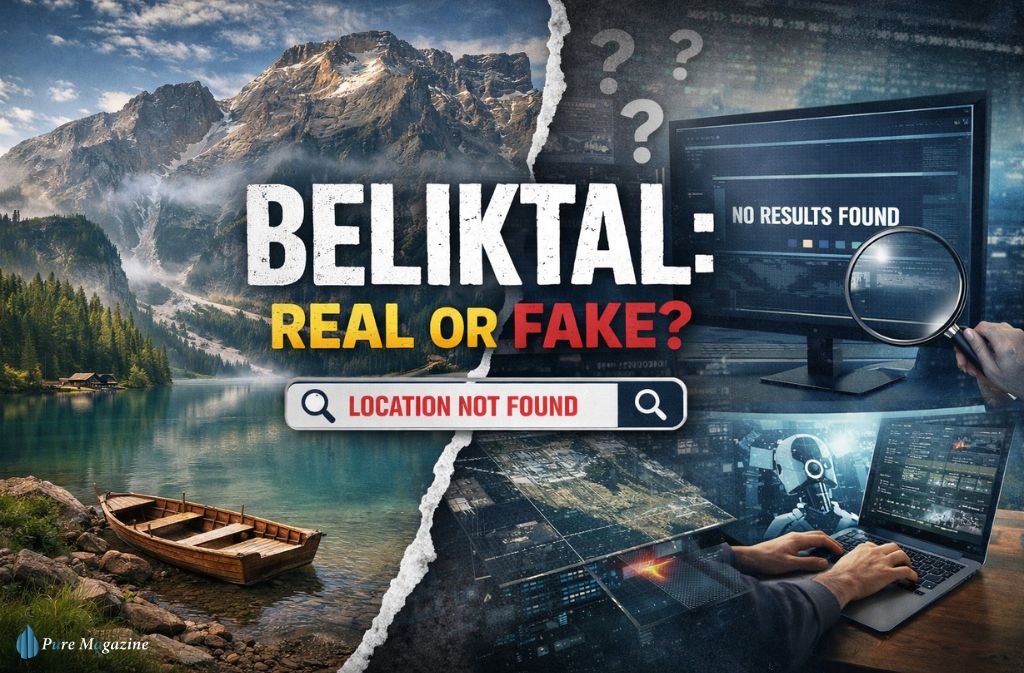
Search for beliktal, and you’ll quickly fall into a strange loop.
Dozens of websites describe it as a peaceful travel destination—some say it’s a lake surrounded by mountains and forests, others call it a hidden valley rich in culture and natural beauty. It sounds convincing. Almost too convincing.
But here’s the problem: none of those articles clearly prove it exists.
That raises a bigger question—are you discovering a hidden gem, or stepping into a modern internet illusion?
In 2026, this kind of confusion isn’t rare. With AI-generated content and SEO-driven publishing at scale, certain keywords spread faster than their meaning. Beliktal is one of the clearest examples.
This guide goes beyond surface-level explanations. You’ll learn what beliktal actually is, why it’s trending, what other sites are getting wrong, and how to verify similar terms yourself. If you want clarity—not recycled content—you’re in the right place.
What Is Beliktal?
Beliktal is an unverified term widely described as a travel destination, but there is no credible geographic or authoritative evidence confirming it exists as a real place.
In simple terms:
- It is not a confirmed location
- It appears across multiple low-authority websites
- It is likely the result of AI-generated or SEO-driven content loops
Unlike real travel destinations, beliktal has no consistent identity, coordinates, or verified presence.
My Attempt to Find Beliktal (And What Actually Happened)
This wasn’t a quick search.
I spent hours trying to verify beliktal as a real place—not just through Google, but through deeper checks:
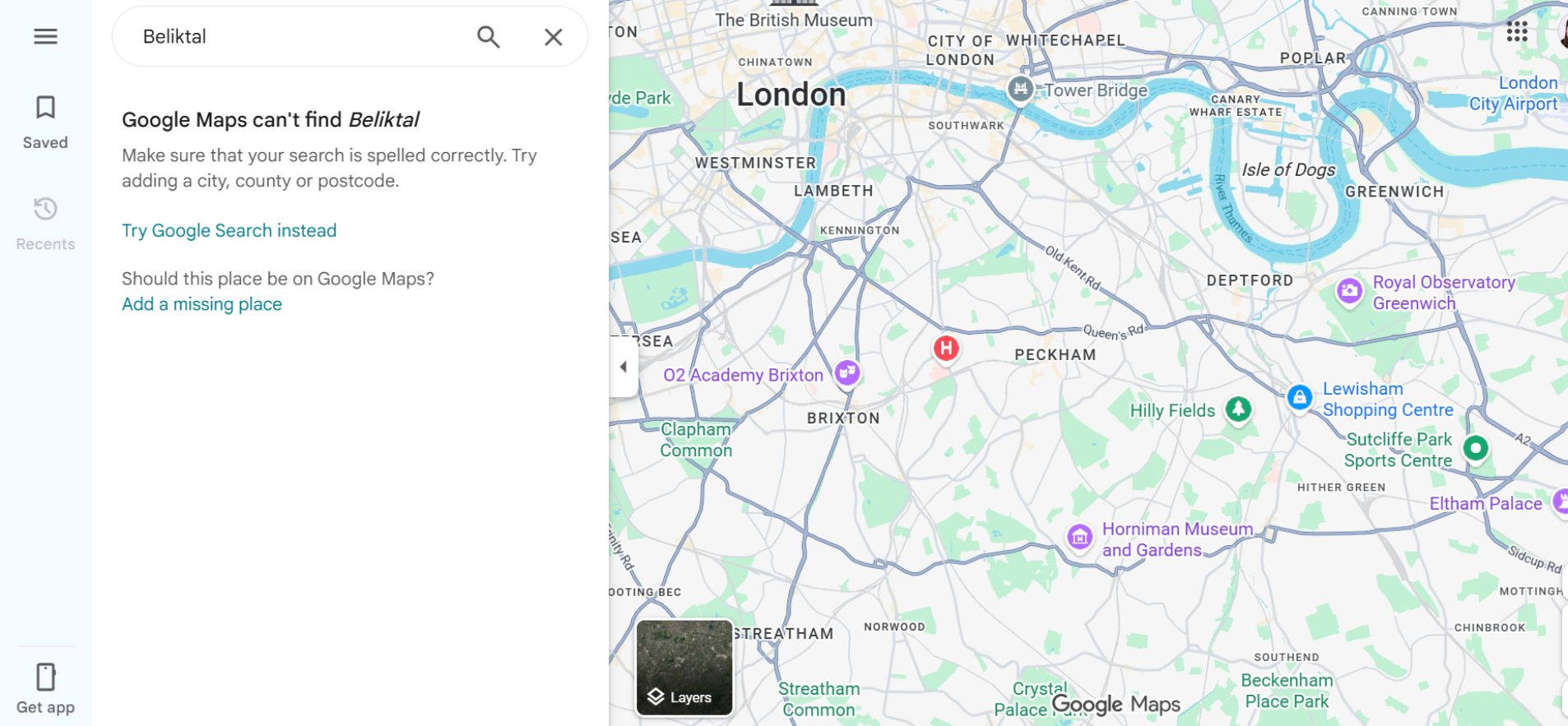

- Map searches
- Satellite imagery
- Travel forums
- Geographic databases
At one point, I followed a claim that beliktal was “a hidden lake in Europe surrounded by forests.” I zoomed into multiple regions using satellite view, expecting at least a lake, a trail, or nearby settlements.
There was nothing.
In another case, a blog suggested it was located in Asia. Same process—same result.
No overlap. No consistency and evidence.
That’s when the pattern became obvious:
These articles weren’t pointing to a place—they were pointing to each other.
Why this matters for you:
- You’re not missing a secret destination
- You’re seeing a content loop, not reality
- The confusion is created by repetition, not discovery
Why Is Beliktal Trending?
Beliktal is trending because of content replication—not real-world relevance.
Key drivers behind the trend:
- Low-competition keyword targeting
Websites publish content on easy-to-rank terms - AI-generated article loops
Tools rewrite existing vague content - No authoritative correction
No official source has clarified it - Curiosity-based searches
People search it because others already have
2026 Insight
As of 2026, SEO tools show a rise in:
- “Phantom keywords” (search terms with no origin)
- AI-amplified topics with no factual grounding
Beliktal fits both patterns.
Is Beliktal a Real Place?
No verifiable evidence supports beliktal as a real travel destination.
What’s missing:
- No Google Maps listing
- No tourism board references
- No verified travel photos
- No local guides or routes
Quick Comparison
| Factor | Real Destination | Beliktal |
|---|---|---|
| Map presence | Yes | No |
| Verified images | Yes | No |
| Travel reviews | Yes | No |
| Consistent location | Yes | No |
| Official references | Yes | No |
Conclusion: Beliktal behaves like a digital concept, not a physical place.
Common Hallucinations About Beliktal Found Online
Many sites don’t just describe beliktal—they invent details. And those details often contradict each other.
Fake Geographic Claims
- “A lake in Eastern Europe”
- “A hidden valley in Asia”
- “A remote northern destination”
→ No consistent coordinates anywhere.
Fabricated Natural Features
- “Crystal-clear beautiful lake”
- “Dense green forests”
- “Rare wildlife and biodiversity”
→ Generic descriptions reused across multiple articles.
Imaginary Cultural References
- “Local communities living nearby”
- “Traditional festivals”
- “Deep cultural heritage”
→ No evidence in real-world records.
The Pattern
These descriptions:
- Sound detailed
- Feel authentic
- But lack verification
This is a textbook example of AI content hallucination.
Where Did “Beliktal” Come From? (Technical Origin Theory)
There’s no confirmed origin, but three strong possibilities explain it:
1. Misspelling Drift
It may be a distorted version of a real name (e.g., similar to regional or place-based words). AI systems sometimes:
- Misread
- Recombine
- Mutate terms
2. SEO Honeypot Keyword
Some SEO researchers create fake keywords to:
- Track AI scraping behavior
- Observe content spread
If that’s the case, beliktal is not a destination—it’s an experiment.
3. AI Feedback Loop (Most Likely)
- One vague article is published
- AI tools rewrite it
- More sites publish variations
- Search volume increases
- The term appears “real”
→ Reality is replaced by repetition
Verification Log: How Beliktal Was Investigated
To avoid assumptions, here’s a transparent check:
| Source Checked | Result |
|---|---|
| Google Maps | No results |
| GeoNames Database | No matches |
| UNESCO listings | Not listed |
| Travel platforms | No entries |
| Tourism websites | No references |
| Real traveler content | None found |
Conclusion: Zero verified presence across authoritative sources.
The Reality Check Framework (Use This for Any Trending Term)
Before trusting any viral keyword like beliktal, use this:
1. Source Check
Is there an official or trusted source?
2. Map Verification
Does it exist on maps?
3. Image Check
Are images real or stock?
4. Consistency Check
Do sources agree?
5. Human Evidence
Are real people visiting it?
If multiple checks fail → treat it as unverified.
Common Mistakes People Make
- Assuming it’s a hidden travel gem
- Trusting multiple articles blindly
- Ignoring missing evidence
- Confusing descriptive writing with reality
The Real Story: This Isn’t Just About Travel
Beliktal reveals something bigger.
It shows how:
- AI-generated content reinforces itself
- Search trends can form without real-world basis
- Users can be pulled into information loops
In that sense, beliktal isn’t a destination—
It’s a case study in how modern search ecosystems work.
Could Beliktal Become Real One Day?
Possibly.
If:
- A location adopts the name
- Influencers popularize it
- Tourism branding uses it
But as of 2026, it remains unverified and likely artificial.
FAQs
Q. What is beliktal?
Beliktal is an unverified term often described as a travel destination, but there is no credible geographic or authoritative evidence confirming it exists as a real place. It appears to be a product of AI-generated content and repeated online descriptions rather than a genuine location.
Q. Is beliktal a real place?
No, beliktal is not a confirmed real place. There are no official records, map listings, tourism references, or verified sources that prove its existence anywhere in the world.
Q. Why is beliktal trending online?
Beliktal is trending due to AI-generated content loops and SEO-driven publishing. Multiple websites have created similar articles targeting this low-competition keyword, which increases its visibility in search results despite lacking real-world evidence.
Q. Can you visit beliktal?
No, you cannot visit beliktal. There are no directions, travel routes, maps, or verified locations associated with it, making it impossible to access as a physical destination.
Q. Is beliktal a lake or a travel destination?
Beliktal is often described as a lake or scenic travel destination, but these claims are not supported by evidence. The descriptions are typically generic and reused across multiple websites without verification.
Q. How can I verify if a place like beliktal is real?
To verify a place like beliktal, follow these steps:
- Check Google Maps or other map services
- Look for official tourism or government sources
- Search for real traveler reviews or videos
- Verify consistent location details across sources
If these checks fail, the place is likely not real.
Q. Are there other keywords like beliktal?
Yes, similar AI-amplified keywords are becoming more common in 2026. These are often low-competition terms created or spread through automated content systems, giving the appearance of legitimacy without factual backing.
Q. Why do websites publish content about places that don’t exist?
Websites may publish such content to target low-competition keywords and gain traffic. With AI tools, it’s easy to generate articles quickly, even if the topic lacks real-world accuracy.
Conclusion
Beliktal may look like a peaceful travel destination on the surface, but deeper investigation tells a different story.
Key takeaways:
- It is not a verified real-world location
- Its popularity comes from content repetition
- Many details online are fabricated or generic
- It represents a growing trend of AI-driven keyword creation
Understanding beliktal helps you do something more important:
recognize what’s real—and what only looks real—on the internet.
For more, visit Pure Magazine