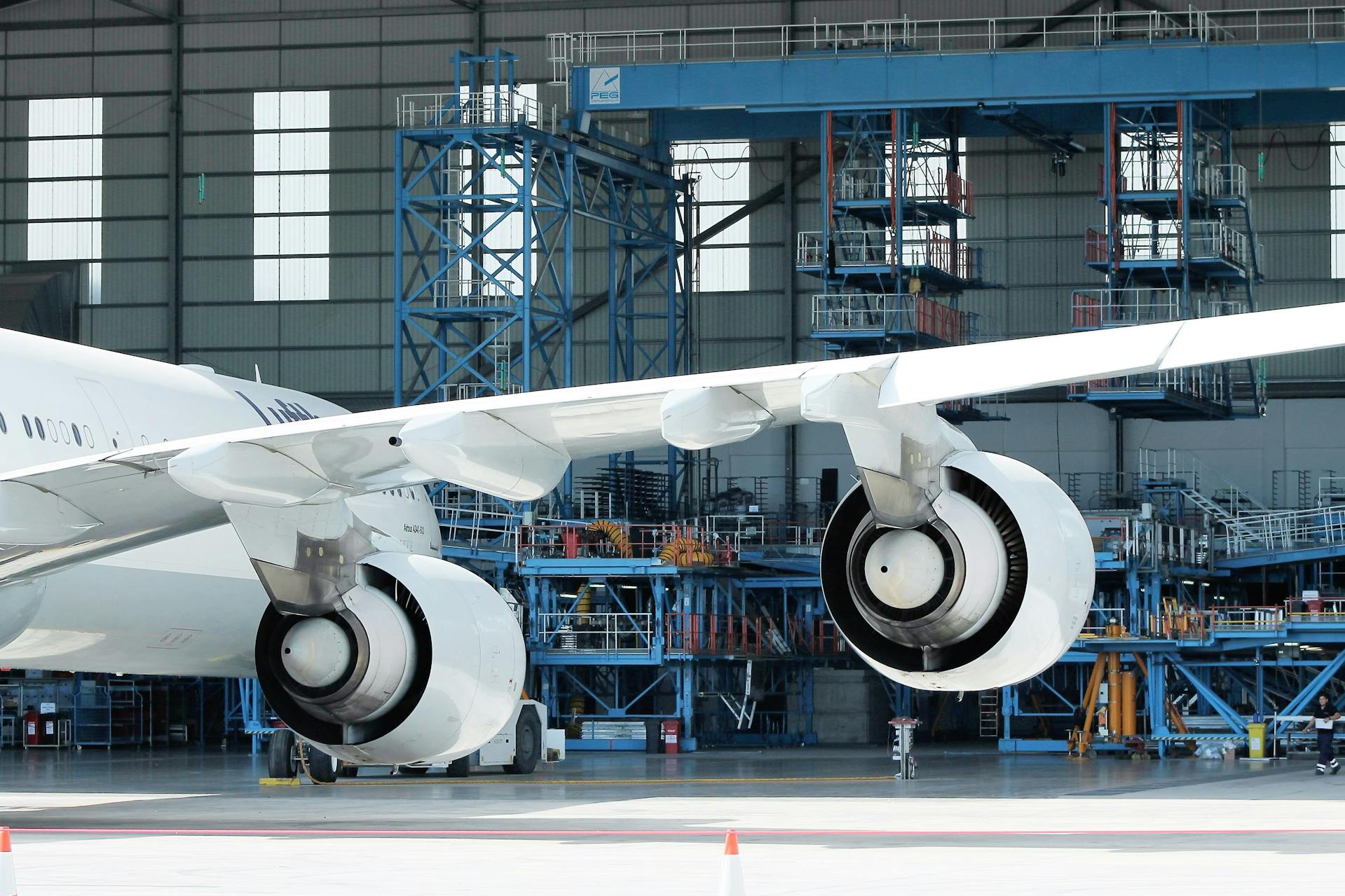
Aviation operations demand absolute precision, strict regulatory compliance, and high operational readiness. For production managers, maintenance engineers, and airline decision-makers, managing fleet capacity often hinges on the availability of adequate enclosed space. When maintenance schedules peak, or when unexpected fleet expansions occur, relying solely on traditional, permanent brick-and-mortar facilities can introduce severe bottlenecks. Building permanent infrastructure requires years of planning, massive capital allocation, and extensive regulatory approvals, none of which align with the fast-paced shifts of modern commercial and regional aviation.
To bridge this operational gap, temporary and modular structures have evolved from basic shelters into highly sophisticated engineering assets. These facilities provide the physical capacity required to handle everything from scheduled line maintenance to intensive structural overhauls. By deploying rapid-assembly structures, aviation hubs can scale their operational footprint in a matter of weeks rather than years, preserving capital while ensuring fleet uptime.
Structural Integrity and Open-Span Engineering
The primary requirement for any aircraft facility is unobstructed space. Modern modular structures utilize advanced aluminum or high-tensile steel trusses that eliminate the need for internal support pillars. This clear-span design provides the expansive, wide-open floor space required to safely maneuver airframes, position heavy maintenance tooling, and position scaffolding around the fuselage.
The engineering behind these structures rivals that of permanent buildings. Flame-retardant, heavy-duty PVC architectural fabrics are tensioned over the metal framework to create a highly durable outer shell. These materials are engineered to meet strict local building codes, including rigorous wind resistance and heavy snow load specifications. This resilience ensures that high-value assets, sensitive diagnostic electronics, and specialized maintenance crews remain fully protected from harsh environmental elements, regardless of geographic location.
Environmental Control and System Integration
Aviation maintenance cannot tolerate fluctuating environmental conditions. Humidity, extreme temperatures, and airborne dust can compromise delicate avionics systems, interfere with composite material curing, and accelerate corrosion. To address these challenges, temporary structures are designed to integrate seamlessly with industrial climate control systems.
Financial Agility and Risk Mitigation
From a strategic and financial standpoint, modular infrastructure alters how aviation enterprises manage risk. For small and medium-sized regional carriers or independent MRO providers, this capital lock-up can severely restrict competitive agility.
Leasing or purchasing modular facilities allows businesses to shift costs from capital expenditure to operational expenditure. This flexibility is particularly useful when fulfilling short-to-medium-term maintenance contracts or setting up temporary regional bases. Organizations can scale down the structure or entirely relocate it once a contract ends, preventing the financial burden of stranded assets.
Enhancing Operational Workflows
For automation and process engineers, optimizing the workflow within a hangar is crucial for minimizing turnaround times. The flexible layout of modular structures allows engineers to design lean, efficient workspaces where parts storage, component testing benches, and tool cribs are positioned logically around the aircraft.
Unobstructed Clear-Span Floor Area
├───► Optimized Tool & Parts Placement (Lean Workflow)
├───► Safe AGV & Tug Maneuvering (Zero Pillars)
└───► Integrated Climate Control (Stable Environment)
The absence of columns allows aircraft tugs and automated guided vehicles (AGVs) to navigate the floor safely, minimizing the risk of ground collisions. Additionally, the translucent properties of high-quality fabric roofs allow natural daylight to illuminate the interior during daytime operations. This reduces energy consumption and provides technicians with high-visibility working conditions, which directly improves safety during detailed inspections.
Strategic Adaptation to Market Demands
As global flight networks expand and fleet compositions evolve, the aviation sector must remain highly responsive to logistical pressures. Relying purely on traditional construction methods leaves operators vulnerable to market delays and capacity constraints. Utilizing specialized, rapidly deployable aviation hangars gives operators the agility to adjust to fluctuating maintenance schedules without compromising safety or engineering standards. These adaptive facilities ensure that maintenance managers, systems integrators, and airline owners can protect valuable assets and keep fleets operational in any economic climate.
For more, visit Pure Magazine