


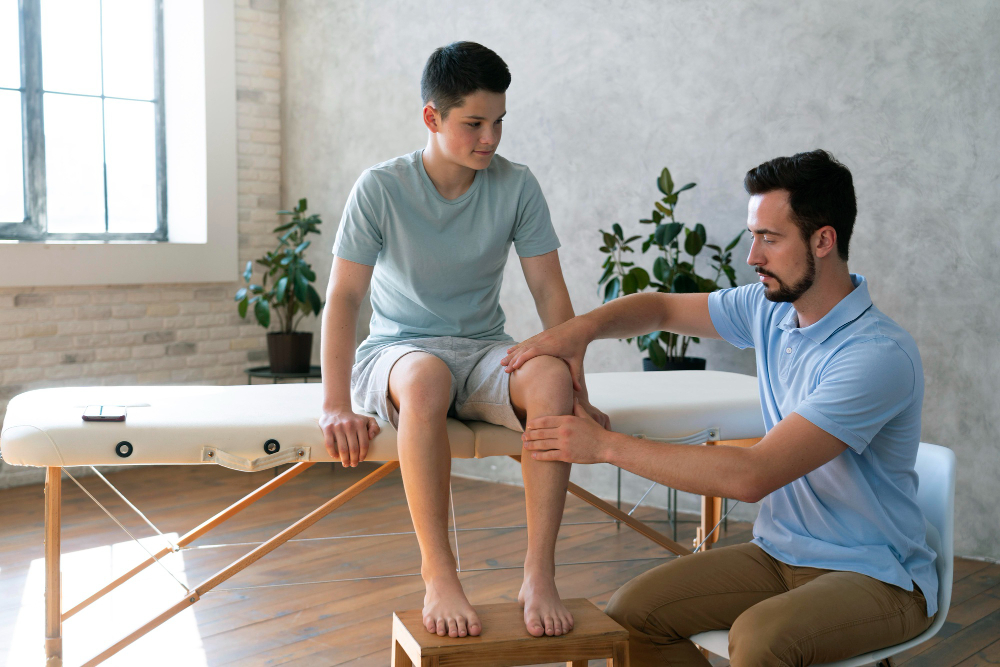
Thinking about a career where you help people recover, move better, and reclaim their lives? Physical therapy might be your calling. This field combines hands-on patient care with scientific knowledge, offering a rewarding path for those passionate about healthcare and human movement.
Understanding The Profession
Physical therapists do so much more than help people recover from injuries. You’ll work with patients across all ages and conditions—from athletes recovering from surgery to elderly patients improving their balance, from children with developmental delays to adults managing chronic pain. The work is incredibly diverse. You might spend one hour helping a stroke survivor relearn to walk and the next designing an exercise program for someone with arthritis.
The profession offers flexibility, too. You can work in hospitals, private clinics, schools, sports facilities, or even patients’ homes.
Educational Requirements
Here’s what you need to know about the academic journey to become a physical therapist:
Your undergraduate degree doesn’t have to be in a specific major, but you’ll need prerequisite courses in anatomy, physiology, biology, chemistry, and physics. Many aspiring PTs major in exercise science, kinesiology, or biology. Maintain a strong GPA—competitive programs typically look for 3.0 or higher.
After your bachelor’s degree, you must complete a Doctor of Physical Therapy (DPT) program. These programs typically take three years and combine classroom learning with clinical rotations. You’ll study biomechanics, neuroscience, pathology, and therapeutic techniques while gaining real-world experience treating patients under supervision.
Getting Licensed And Certified
You can’t practice without passing the National Physical Therapy Examination (NPTE). This comprehensive exam tests your clinical knowledge and decision-making abilities. Most states also require background checks and additional jurisprudence exams covering state-specific regulations.
Consider pursuing specialty certifications later in your career. The American Board of Physical Therapy Specialties offers credentials in areas like:
- Orthopedics
- Sports physical therapy
- Neurologic physical therapy
- Pediatrics
- Geriatrics
These certifications demonstrate expertise and can expand your career opportunities.
Gaining Practical Experience
Start building your resume early. Volunteer or work as an aide in physical therapy clinics during your undergraduate years. This experience helps you understand the daily realities of the profession and strengthens your DPT program applications.
During your DPT program, clinical rotations are essential. You’ll rotate through different settings and specialties, discovering what type of physical therapy excites you most. Take these rotations seriously—they’re often where job opportunities emerge.
Financial Considerations And Career Outlook
Let’s talk money. DPT programs are expensive, often costing $80,000 to $150,000 total. Research scholarships, assistantships, and loan repayment programs. Some employers offer loan forgiveness as a hiring incentive.
The investment typically pays off. According to recent data, physical therapists earn competitive salaries with strong job security. The field continues growing as the population ages and people seek alternatives to surgery and medications for pain management.
Starting Your First Job
Your first position shapes your career trajectory. Look for workplaces that offer mentorship, continuing education support, and reasonable caseloads. Don’t be afraid to ask about patient-to-therapist ratios during interviews—burnout is real when you’re overworked.
Consider starting in a setting that exposes you to diverse conditions. You’ll develop broad skills that serve you throughout your career, whether you eventually specialize or remain a generalist.
The journey to becoming a physical therapist demands dedication, but few careers offer such direct impact on people’s quality of life. Ready to take the first step?
For more, visit Pure Magazine
