


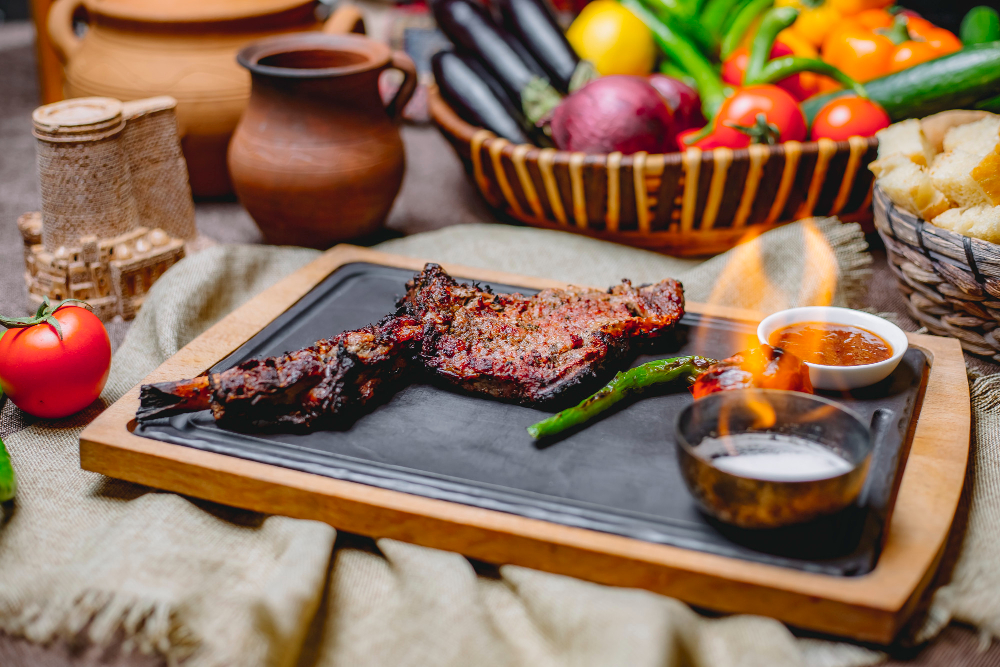
Roasting beef is a satisfying and time-honoured cooking method that delivers rich flavour and impressive presentation. Whether you’re preparing a Sunday lunch or a celebratory dinner, learning how to roast beef at home can elevate your cooking repertoire. This guide will walk you through the essential steps, from selecting the right cut to carving the finished roast, ensuring delicious results every time.
Choosing the Right Cut for Roasting
Success starts with choosing the right cut of beef. For beginners, it’s best to work with cuts that are naturally tender and easy to handle. Popular roasting cuts include sirloin, scotch fillet, rib roast, and rump. These cuts provide a balance of tenderness, marbling, and flavour, making them ideal for oven roasting.
Marbling, the fine streaks of fat running through the meat, plays a crucial role. During roasting, this fat melts and bastes the meat from within, enhancing flavour and keeping the roast juicy. Opt for beef with visible marbling and a firm, bright red appearance for the best results.
Roasting Times and Temperatures
Achieving perfect roast beef starts with understanding how oven temperature, internal temperature, and doneness all work together. While many assume roasting requires high heat, using a moderate oven (around 160–180°C fan-forced) promotes even cooking and more precise control over the meat’s internal temperature.
To take out the guesswork, a meat thermometer is a must. It ensures you reach your preferred doneness every time. For added confidence, following a clear roast beef recipe and roasting method guide can help you master the right timing, temperatures, and technique. Use the ranges below as a general reference for doneness:
- Rare: 50–55°C
- Medium-rare: 55–60°C
- Medium: 60–65°C
- Well done: 70°C+
Remember, beef continues to cook slightly once it’s out of the oven—this is called carryover cooking, and it’s key to hitting that perfect finish.
Seasoning and Room Temperature
Before roasting, proper preparation is key. First, take your beef out of the fridge at least 30 to 60 minutes before cooking to allow it to reach room temperature. This helps the roast cook more evenly and reduces the risk of a cold centre.
Seasoning should be simple but effective. A generous sprinkling of sea salt, cracked black pepper, and a light coating of olive oil create a flavourful crust. For added depth, consider incorporating herbs such as rosemary, thyme, or crushed garlic. Massage the seasoning into the meat to ensure full coverage.
Resting and Carving the Beef
Once your roast reaches the target internal temperature, remove it from the oven and let it rest. Loosely cover it with foil and allow it to sit for 15 to 20 minutes. During this time, carryover cooking occurs: heat from the outer layers moves inward, gently raising the internal temperature. This pause also lets the juices redistribute evenly, setting you up for a roast that’s tender and full of flavour.
After resting, carving becomes just as important. Slice the beef against the grain, cutting across the muscle fibres to maximise tenderness. A sharp carving knife will give you clean, even slices. For leaner joints, thinner cuts are often more enjoyable. Together, proper resting and thoughtful carving ensure your roast finishes strong — both in texture and taste.
Pairing Your Roast with the Perfect Sides
A well-cooked roast beef deserves thoughtful sides that complement rather than compete with its rich flavours. Traditional accompaniments include roast potatoes, seasonal vegetables, and Yorkshire puddings, often brought together with a rich pan gravy made from the meat’s drippings.
Alternatively, lighter options such as horseradish cream, mustard, or a fresh herb salsa can offer a zesty contrast. The goal is to balance the meal with a mix of textures and flavours that highlight the roast without overwhelming it.
Wrapping Up Your Roast Know-How
Roasting beef at home doesn’t require years of culinary training—just a solid understanding of the basics and a willingness to follow a few time-tested principles. With the right cut, proper temperature control, and attention to preparation and resting, even beginners can achieve consistently satisfying results. Once you master the method, you’ll find that roasting beef becomes a reliable and rewarding skill that’s perfect for any occasion.
For more, visit Pure Magazine
