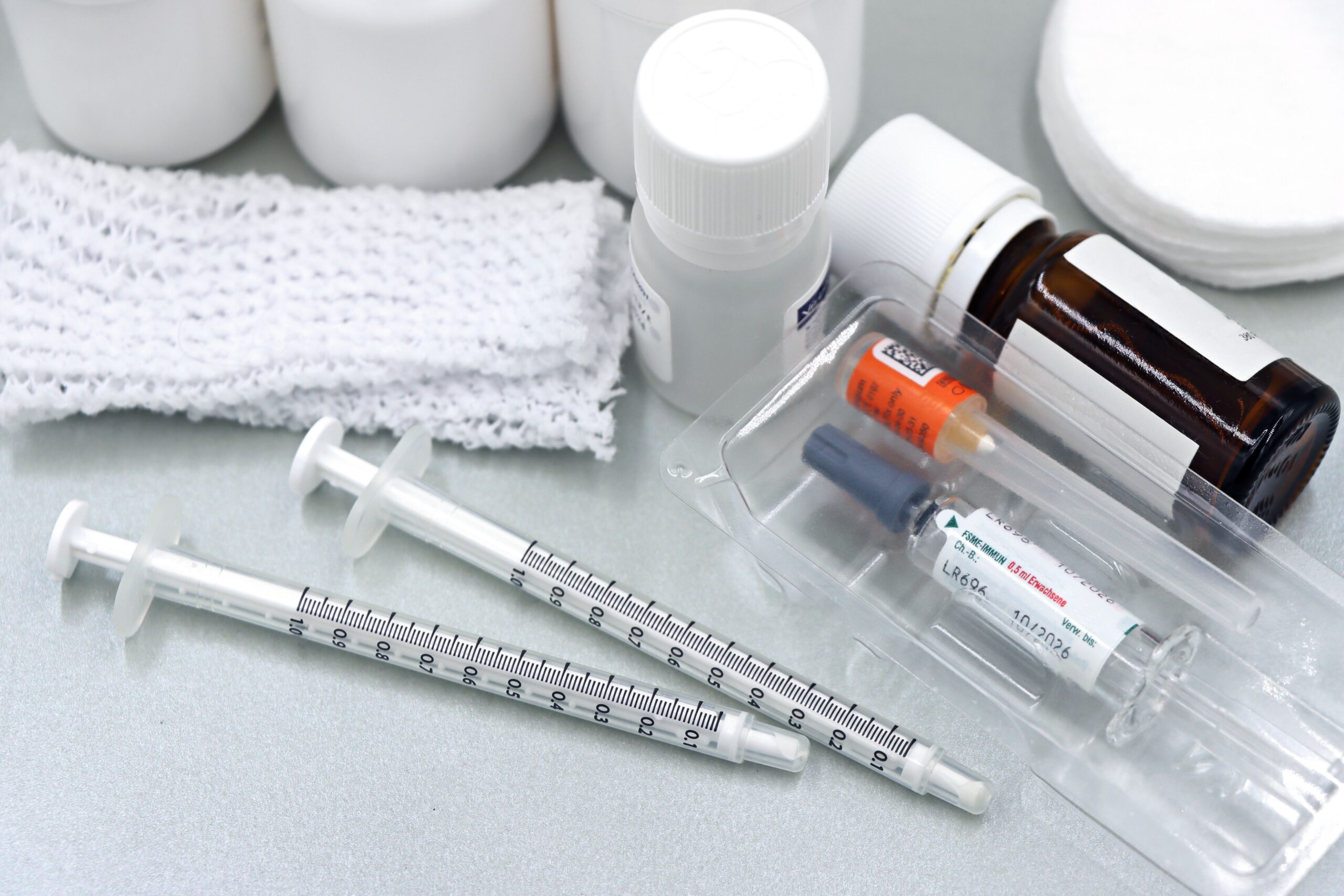
Navigating modern healthcare and treatment options for chronic conditions such as Type 2 diabetes mellitus and metabolic disorders can feel overwhelming. Over the past few years, glucagon-like peptide-1 (GLP-1) receptor agonists have transformed the management of metabolic health across the United Kingdom. Among these treatments, Ozempic (semaglutide) has become one of the most widely discussed and prescribed medications. Designed primarily to manage blood sugar levels in adults with Type 2 diabetes, Ozempic also exhibits significant secondary effects on weight management, appetite regulation, and cardiovascular risk reduction.
For individuals starting their treatment journey, understanding how the medication works, how to properly store and administer it, and how to safely source genuine prescription treatments online in the United Kingdom is crucial. This article provides an extensive overview of Ozempic, detailed guidance on administration, potential side effects, lifestyle integration, and navigating UK pharmacy services safely.
What Is Ozempic and How Does It Work?
Ozempic contains semaglutide, a long-acting GLP-1 receptor agonist. The GLP-1 hormone is naturally produced in the gut in response to food intake. It performs several key physiological functions that maintain metabolic balance:
- Insulin Secretion: It stimulates the pancreas to release insulin when blood glucose levels are elevated, helping cells absorb glucose efficiently.
- Glucagon Suppression: It reduces the liver’s release of stored glucose (glucagon), preventing blood sugar spikes after meals.
- Gastric Emptying: It slows down the speed at which the stomach empties its contents into the small intestine, leading to sustained feelings of fullness (satiety).
- Central Nervous System Effects: It acts on appetite centres in the brain to reduce cravings and overall caloric intake.
Because semaglutide closely mimics natural human GLP-1, it offers a dual advantage: robust blood sugar control for Type 2 diabetes patients and secondary reduction in body weight. In the UK, the National Institute for Health and Care Excellence (NICE) provides clear clinical guidelines on when GLP-1 therapy should be introduced into a patient’s overall diabetes care strategy.
A Step-by-Step Guide to Injecting Ozempic Safely
Proper administration technique is vital to ensure that you receive the correct dose while minimising discomfort and preventing skin complications. Ozempic is supplied in pre-filled, disposable injection pens designed for subcutaneous use (injected into the fatty tissue just beneath the skin, not into a muscle or vein).
When learning the correct method for injecting ozempic, patients should follow a structured, hygienic protocol:
- Preparation and Inspection
- Wash your hands thoroughly with soap and warm water before handling the pen.
- Inspect the pen window to check the solution. It should be clear and colourless. Do not use the pen if the liquid is cloudy, discoloured, or contains visible particles.
- Check the expiration date printed on the pen.
- Attaching a Fresh Needle
- Always use a new, sterile needle for every weekly injection to prevent contamination, infection, and blocked needles.
- Tear off the paper tab from a new disposable needle (such as NovoFine or NovoTwist).
- Push the needle straight onto the pen and twist until it is tight. Pull off the outer needle cap (save it for later) and the inner needle cap (discard it).
- Checking Flow (Priming the Pen)
- Before the very first injection with a new pen, perform a flow check. Turn the dose selector to the flow check symbol (a small drop icon).
- Hold the pen with the needle pointing upward and press the dose button all the way in. A drop of semaglutide should appear at the needle tip. If not, repeat once. This ensures air bubbles are removed and the needle is clear.
- Selecting Your Dose
- Turn the dose selector until the dose counter displays your prescribed dose (typically starting at 0.25 mg for the first four weeks, escalating to 0.5 mg, and potentially 1.0 mg or 2.0 mg based on clinical response and physician guidance).
- Choosing and Preparing the Injection Site
- Select an appropriate subcutaneous injection site: the front of your thighs, the lower abdomen (at least two inches away from your belly button), or the upper outer arm.
- Rotate your injection site each week to prevent lipodystrophy (changes or lumps in skin fat tissue). Clean the skin area if needed and allow it to air dry.
- Administering the Dose
- Pinch the skin gently if necessary. Insert the needle straight into your skin at a 90-degree angle.
- Press and hold down the dose button completely. You will hear or feel clicks as the dose is delivered.
- Once the dose counter returns to “0”, keep the needle in the skin and slowly count to 6. This ensures the full dose has been injected into the subcutaneous tissue.
- Withdraw the needle straight out. If a small drop of blood appears, press gently with a clean cotton swab or tissue. Do not rub the injection site.
- Safe Disposal
- Carefully replace the outer needle cap, unscrew the needle, and dispose of it immediately in an officially approved UK yellow sharps container. Never dispose of needles in household waste bins.
Storage and Temperature Management
Proper storage conditions preserve the stability and potency of semaglutide:
- Unused Pens: Keep in their original carton to protect from light, stored in a refrigerator between 2°C and 8°C. Do not freeze.
- In-Use Pens: Once a pen is first used, it can be kept at room temperature (below 30°C) or in the refrigerator for up to 56 days. Keep the pen cap on when not in use to protect it from light.
Managing Common Side Effects and Lifestyle Integration
Like all prescription medications, GLP-1 therapies can cause side effects, particularly during the initial dose-escalation phase. Most side effects are gastrointestinal and tend to diminish over time as the body adapts to the drug.
- Nausea and Vomiting: Eat smaller, more frequent meals rather than large portions. Avoid greasy, fried, or highly spiced foods.
- Diarrhea or Constipation: Stay well-hydrated by drinking plenty of water throughout the day. Increase dietary fibre gradually if experiencing sluggish digestion.
- Acid Reflux and Indigestion: Avoid lying down immediately after eating and limit carbonated beverages.
To maximise therapeutic outcomes, Ozempic should always be paired with a balanced, nutrient-dense diet and routine physical activity. Consult your GP or a qualified registered dietitian in the UK to create a meal plan that supports steady glycemic control.
Sourcing Prescription Medications Safely in the UK
When ordering prescription treatments online, verifying legitimacy is vital. In the UK, digital healthcare platforms and online pharmacies must strictly adhere to regulations established by the General Pharmaceutical Council (GPhC) and the Medicines and Healthcare products Regulatory Agency (MHRA).
Using registered platforms like medsforless.co.uk provides patients with access to qualified healthcare professionals who review medical history questionnaires, verify eligibility, and ensure that prescribed treatments are appropriate and safe. Always look for registered pharmacy credentials and avoid unlicensed websites offering prescription medications without a formal medical consultation.
Conclusion
Injecting Ozempic is a straightforward process once you master the step-by-step technique, flow checks, and needle disposal procedures. When combined with routine blood sugar monitoring, a healthy lifestyle, and oversight from registered UK healthcare providers, GLP-1 therapy offers a highly effective pathway toward improved metabolic health and long-term diabetes management.
“In 2026, we continue to see growing adoption of digital services for straightforward primary care needs. Patients are increasingly comfortable navigating a blended healthcare environment in which online services sit alongside traditional GP care. Compounding this shift are sustained pressures within primary care – Longer wait times for routine appointments have led digital providers to fill access gaps for appropriate conditions.
The post-COVID on-demand economy has also accelerated behavioural change. For many patients, accessing healthcare through a secure digital platform feels no different to managing banking, travel or retail online. Expectations around convenience, transparency and speed have risen across all sectors, and healthcare is no exception. At the same time, individuals value the autonomy to make informed decisions about their own health and to access care at a time that suits them.
Looking ahead, the future of primary care in the United Kingdom is unlikely to be purely digital or purely traditional. Instead, it will continue to evolve into an integrated ecosystem in which online services manage appropriate routine conditions, while complex or urgent cases are escalated seamlessly into in-person care. As one of the world’s most advanced digital economies, the UK is well placed to harness this shift, leveraging technology to expand access, improve efficiency and empower patients within a modernised primary care framework.
For more, visit Pure Magazine