


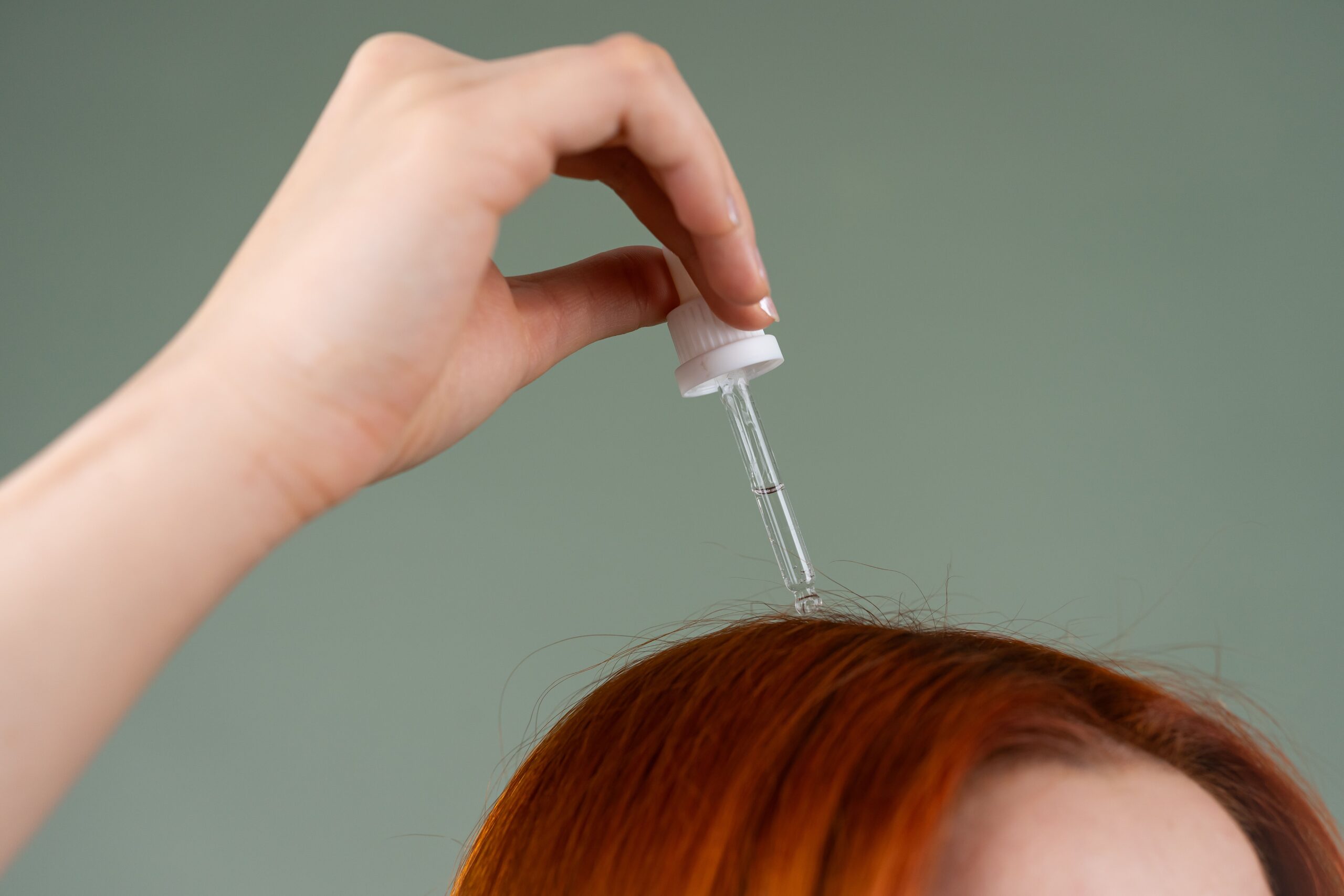
Folks talk about the importance of skincare…but what about your scalp?
All too often, we ignore the health of our scalp. Instead, we focus strictly on our skincare regimens. While healthy skincare is certainly beneficial, if you find yourself struggling to grow your hair, or improve your hair’s quality, it’s time to focus on your scalp’s health. For example, you can consider scalp treatment Birmingham to address scalp density and hair shedding issues.
To help you better understand scalp health, let’s answer some frequently asked questions.
Why is scalp health important?
Do you apply leave-in treatments to your strands? Great! Leave-in conditioners and oils help soften rough strands, while adding shine.
However, treating your strands alone does not result in actual hair growth. True hair growth results from a healthy scalp.
Hair actually grows from out of your scalp–not your ends, as many people still believe. This makes your scalp the “soil” or “foundation” for your strands. A strong foundation equals healthier hair growth. And the healthier your scalp, the healthier your hair can be.
What are the signs of a healthy scalp?
Signs of a healthy scalp include:
- Clear skin: no redness, acne, flaking, or scabbing
- No irritation: no redness, pain, or tightness
- Balanced sebum (oil) levels: scalp is neither overly greasy or dry
- Normal shedding: hair goes through several growth stages. The exogen phase is the final stage, where old hair strands naturally fall out and are replaced by newer strands. A healthy scalp goes through normal hair shedding.
Can genetics and age affect overall scalp condition?
Yes. Genetics and age can affect how much oil your scalp produces, and how sensitive your scalp is to hormonal changes. For example, women experiencing menopause may experience changes in hair growth and scalp density, due to hormonal shifts.
Are there different scalp types?
Yes. Too much oil production, or lack of sebum, produces different scalp conditions. This in turn can affect your hair’s texture and overall appearance. Different scalp types include:
- Oily Scalp: does your hair become greasy within a day, even after washing it? You may be dealing with an oily scalp type. As your scalp overproduces sebum, your strands grease up faster.
- Flaky Scalp: the opposite of a greasy scalp, a flaky scalp indicates a dry scalp. Your scalp produces little sebum, which may result in crispy, dull strands.
- Sensitive Scalp: your scalp experiences itchiness, soreness, tingling, etc.
- Scalp Psoriasis: an autoimmune condition that causes scaliness and intense itching on your scalp.
- Dandruff: excess oil causes large, greasy flakes of skin to shed from your scalp.
- Scalp Eczema: an inflammatory skin condition that causes redness, dandruff, and dry scalp.
How many times a week should I wash my hair?
The answer: it depends. Your hair type and scalp type will determine how often you should wash your hair. For example, normal, dry, and sensitive scalps benefit from washing several times a week.
If you deal with greasy scalp or dandruff, you may need to wash your hair more often.
Is hot water or cold water better for washing my hair and scalp?
Both hot water and cold water have their benefits for your hair and scalp.
- Hot water: best for removing oil buildup and dirt. The downside: rinsing with hot water too frequently strips away sebum, resulting in a drier scalp and possible flaking.
- Cold water: best for sealing the cuticle, or the outside layer of your hair. The result? Shinier hair. The downside: cold water is not as effective as hot water in removing grease and buildup on your scalp.
The best approach? Use lukewarm water to remove buildup, without irritating your scalp. This is especially true if you deal with dry and/ or flaky scalp.
What are natural ways to improve my scalp health?
Eat a healthier diet. For example, foods rich in Vitamin E, such as fish, avocado, nuts, and seeds, can benefit your scalp, as well as overall skin health.
Stay hydrated. Healthy hydration levels nourish your overall health. Your scalp depends on healthy blood flow and nutrients, so drinking plenty of water ensures your scalp stays “hydrated” as well.
Also avoid harmful substances, such as tobacco products and alcohol. Both tobacco and alcohol inhibit blood flow and cause dehydration. As a result, long-term use of either substance can indirectly cause hair thinning and affect overall hair quality.
Scalp Health: Key to Hair Health
Now that you know how scalp health and hair health are interconnected, you can start taking better care of your scalp. Patience is key with hair growth and scalp health, so practice healthy hair and scalp care every day for best results.
This article was written by Leah Campbell for Third Loft Marketing.
For more, visit Pure Magazine