


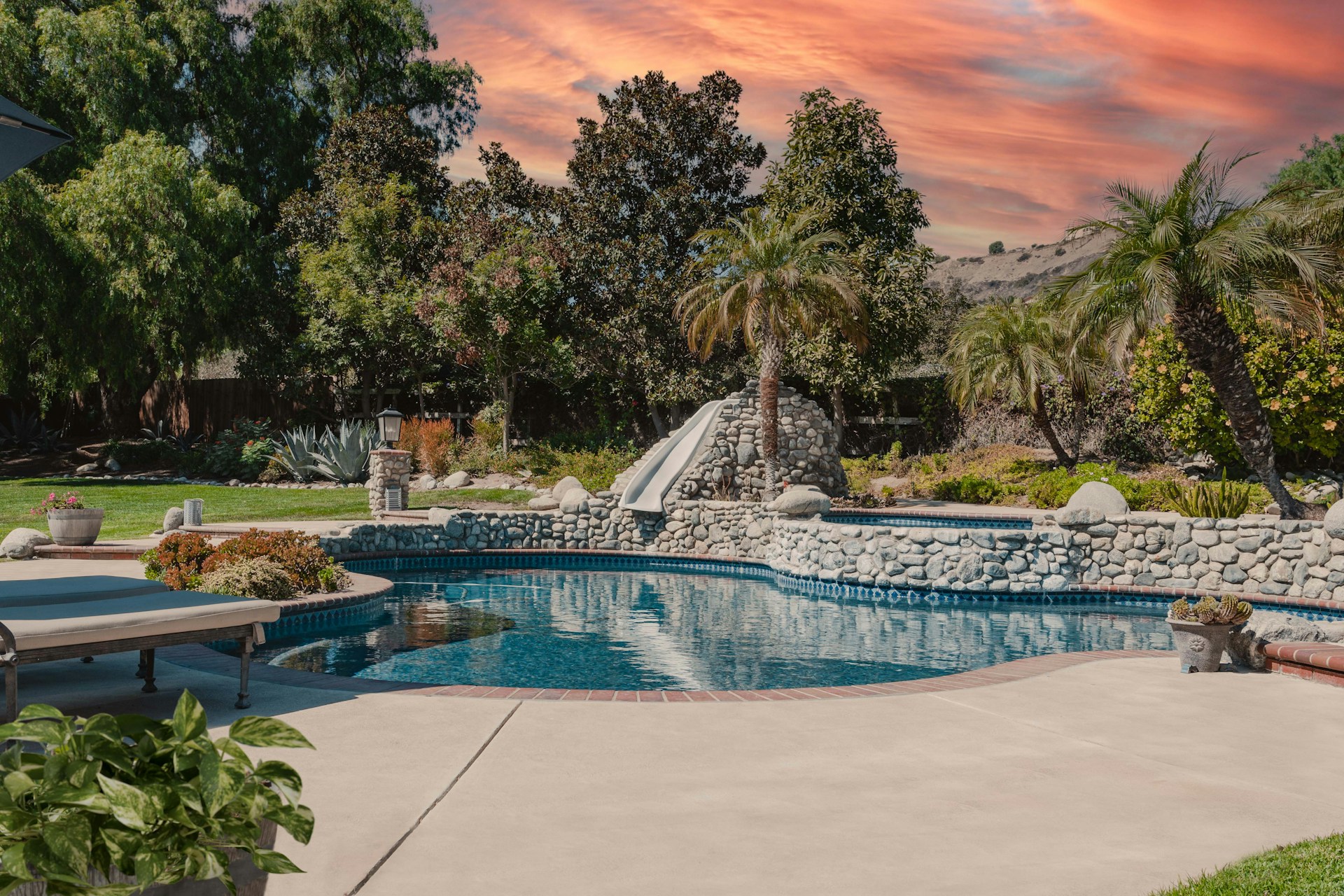
A Strong Foundation Sets Everything Up
When people picture a great pool, they often think about how it looks once it’s finished. Clear water, clean lines, maybe a few lounge chairs nearby. What usually gets overlooked is what sits beneath the surface. A high-quality pool starts with a solid foundation, and that begins long before any water is added.
Excavation, soil preparation, and structural support all play a role in how well a pool holds up over time. If these steps are rushed or handled poorly, issues can appear months or years later. Cracking, shifting, or uneven settling are often tied back to early construction decisions rather than surface materials.
A well-built pool is stable. It is designed to handle pressure, weather changes, and daily use without constant adjustment. Homeowners may not see this part, but they will feel the difference in how the pool performs over time.
Durable Materials That Hold Their Appearance
Materials are another defining factor in pool quality. It is easy to be drawn to finishes that look impressive at first glance, but durability matters just as much as appearance. A quality pool uses materials that can handle exposure to sun, chemicals, and changing temperatures without fading or deteriorating quickly.
The interior finish, whether plaster, pebble, or tile, should be smooth and consistent. It should also resist staining and wear. Surrounding materials, such as decking and coping, need to provide both stability and comfort underfoot.
High-quality materials do not necessarily mean the most expensive options. Instead, they are chosen based on how well they perform in the specific environment. A thoughtful selection process ensures that the pool continues to look good and function properly long after installation.
Efficient Filtration and Circulation Systems
A pool’s appearance is closely tied to how well its systems operate. Clear water is not just about aesthetics. It is a sign that filtration and circulation are working as they should.
A quality pool includes a system that moves water effectively, preventing stagnation and reducing the buildup of debris or bacteria. Pumps, filters, and plumbing all need to be properly sized and installed to match the pool’s design.
Energy efficiency is also becoming more important. Modern systems often use variable-speed pumps that adjust based on need rather than running at full capacity all the time. This not only reduces energy costs but also extends the life of the equipment.
When these systems are designed correctly, maintenance becomes easier. The pool stays cleaner with less effort, which is something homeowners appreciate over time.
Thoughtful Design That Matches Lifestyle
A good pool is not just built well. It is designed with purpose. The layout should reflect how the space will actually be used. Some people want a place for exercise. Others are more interested in relaxation or entertaining guests.
Depth, shape, and features all play a role here. A pool that is too deep for casual use might not get used as often. One that lacks seating or shallow areas may feel less inviting for social gatherings. These details shape the overall experience in ways that are easy to overlook during planning.
Good design also considers how the pool fits into the yard. It should feel connected to the home rather than placed as an afterthought. Walkways, landscaping, and surrounding structures all contribute to that sense of integration.
When the design aligns with daily life, the pool becomes a natural extension of the home rather than a separate feature.
Safety Features That Blend Into the Design
Safety is an essential part of any high-quality pool, though it does not always need to be obvious. Features like proper lighting, secure entry points, and non-slip surfaces can be incorporated in ways that do not disrupt the overall look.
Fencing and covers provide additional protection, especially for families with children or pets. These elements should meet local requirements while still fitting into the design of the space.
Steps, ledges, and handholds also improve usability. They make it easier for people of different ages and abilities to enjoy the pool comfortably. A well-designed pool considers these needs from the beginning rather than adding them later.
Safety, when done correctly, enhances the experience instead of limiting it.
Custom Pools in Opelika and Local Considerations
In regions with long, warm seasons, outdoor living becomes a central part of daily life. This is one reason why interest in custom pools in Opelika continues to grow. Homeowners are looking for ways to create spaces that feel comfortable, functional, and tailored to their environment.
Local conditions influence many design choices. Sun exposure, soil type, and drainage patterns all play a role in how a pool should be built. Builders who understand these factors can make adjustments that improve both performance and longevity.
At the same time, customization allows homeowners to reflect their personal style. Whether that means adding shaded areas, incorporating seating, or adjusting the layout to fit the yard, the goal is to create something that feels intentional rather than generic.
Finishing Details That Elevate the Experience
The final stage of a pool build often comes down to details. Lighting, for example, can change how the space feels at night. Subtle illumination can make the water appear more inviting and extend the usability of the pool into the evening.
Water features, such as fountains or small waterfalls, add movement and sound. They create a more dynamic environment without overwhelming the design. Even small touches, like the placement of return jets or the choice of tile accents, contribute to the overall feel.
These finishing elements are where personality often shows through. They turn a well-built pool into a space that feels unique to the homeowner.
Maintenance and Long-Term Usability
A high-quality pool is not just about how it looks on day one. It is about how easy it is to maintain over time. Systems should be accessible, and components should be chosen with longevity in mind.
Automation has become more common in this area. Many pools now include controls for lighting, temperature, and filtration that can be managed remotely. This simplifies routine tasks and allows homeowners to adjust settings without extra effort.
Regular maintenance will always be part of pool ownership, but a well-designed system reduces the time and complexity involved. That makes it more likely that the pool will continue to be used and enjoyed.
Conclusion: Quality Shows in the Details
A good pool is the result of many decisions coming together. Structure, materials, systems, and design all play a role in shaping the final outcome. While some aspects are visible and others are not, each one contributes to how the pool performs and how it feels to use.
For homeowners, the goal is not just to build a pool but to create a space that adds value to daily life. When quality is prioritized at every stage, the result is something that remains enjoyable, functional, and reliable for years to come.
For more, visit Pure Magazine