Home upgrades often start with a vision. A brighter kitchen, a more modern finish, a space that feels like it belongs in a magazine. Very quickly, that vision meets reality: budgets, timelines, and unexpected costs.
The challenge isn’t choosing between style and cost. It’s learning how to balance them so you don’t sacrifice one for the other.
The True Cost of “Starting From Scratch”
A full renovation can be tempting. It promises a completely fresh start, where everything is designed exactly as you want it. But that level of transformation comes at a price.
In the UK, a typical kitchen renovation can range from around £12,000 to £25,000 for a mid-range project, with high-end designs climbing significantly higher. That’s before factoring in hidden costs like plumbing adjustments, electrical work, or structural changes, which can quickly push budgets beyond expectations.
What often surprises homeowners is that much of the cost isn’t visible. It’s behind-the-scenes work that doesn’t necessarily improve how the space looks, but is essential to making it function.
That’s where the balance starts to shift. Not every upgrade needs a full reset.
Where Style Actually Comes From
There’s a common misconception that style comes from replacing everything. In reality, it often comes from the surfaces and finishes people interact with most.
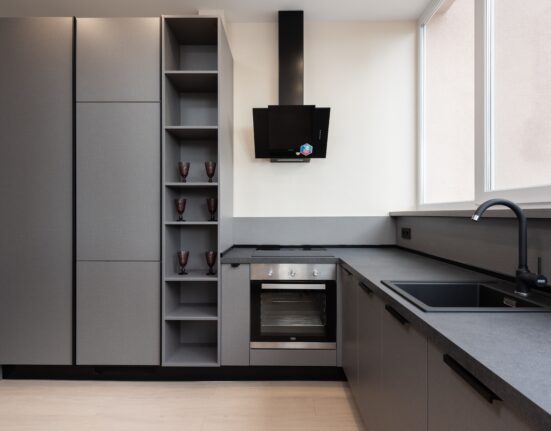
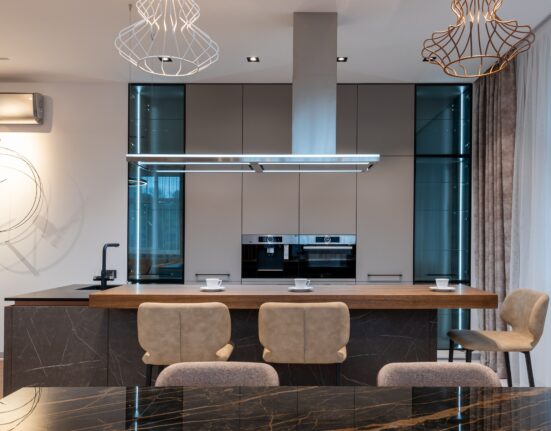
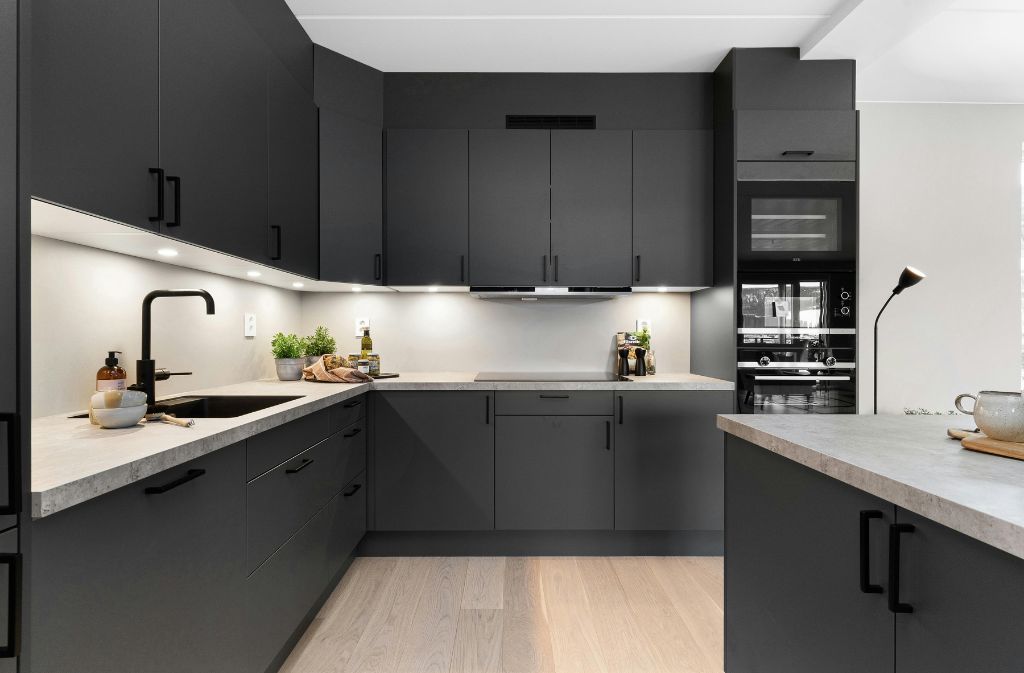
Worktops, cabinet doors, splashbacks, and lighting all have a huge visual impact. Changing these elements can completely transform how a space feels, even if the underlying structure stays the same.
This is why more homeowners are exploring smarter alternatives, like kitchen overlays Warrington, which allow you to refresh key features without removing the entire kitchen.
It’s not about cutting corners. It’s about focusing investment where it’s seen and felt.
The Rise of Smarter Upgrades
Overlay solutions have grown in popularity because they strike a practical middle ground. Instead of removing existing units, new surfaces are fitted over them, delivering a modern finish with far less disruption.
This approach offers several advantages:
- Reduced labour and installation time
- Lower overall cost compared to full renovations
- Minimal disruption to daily life
In many cases, a kitchen overlay can be completed in just a few days rather than weeks. That difference isn’t just about convenience. It also reduces costs tied to labour, waste removal, and unexpected delays.
For homeowners trying to balance style and budget, that efficiency makes a real difference.
Understanding Where Your Budget Goes
One of the most effective ways to find balance is understanding how your budget is actually being used.
In a full renovation, large portions of the budget go towards:
- Removing and disposing of existing materials
- Structural adjustments and preparation work
- Labour over extended timelines
By comparison, targeted upgrades like overlays reduce or eliminate many of these costs. The existing kitchen becomes a foundation rather than something to replace entirely.
That shift allows more of your budget to go into visible improvements such as materials, finishes, and design details.
When It Makes Sense to Spend More
Of course, not every situation suits a partial upgrade. If your kitchen layout doesn’t work, or if the structure is damaged, a full renovation may be the better long-term choice.
Spending more makes sense when:
- The layout needs reconfiguring
- Storage is insufficient or poorly designed
- Structural issues are present
In these cases, investing in a full upgrade can improve both functionality and value.
The key is knowing when you’re paying for meaningful change, and when you’re paying for unnecessary replacement.
The Emotional Side of Home Upgrades
There’s also a psychological factor at play. Many homeowners associate higher spending with better results. That isn’t always true.
A well-planned upgrade that focuses on the right elements can feel just as transformative as a full renovation. In some cases, it can feel better because it avoids the stress, disruption, and uncertainty that come with major building work.
A space that looks great and doesn’t take over your life to achieve often feels more satisfying.
A Smarter Way to Think About Upgrades
When you step back, the question changes. It’s no longer “How much should I spend?” but “Where will my spend have the most impact?”
That shift in thinking is what helps homeowners avoid over-investing in areas that don’t add real value.
Style doesn’t have to come with a huge price tag. Cost doesn’t have to limit creativity.
When the two are balanced thoughtfully, you end up with something far more valuable than either on its own: a space that looks right, feels right, and works for the way you live.
For more, visit Pure Magazine