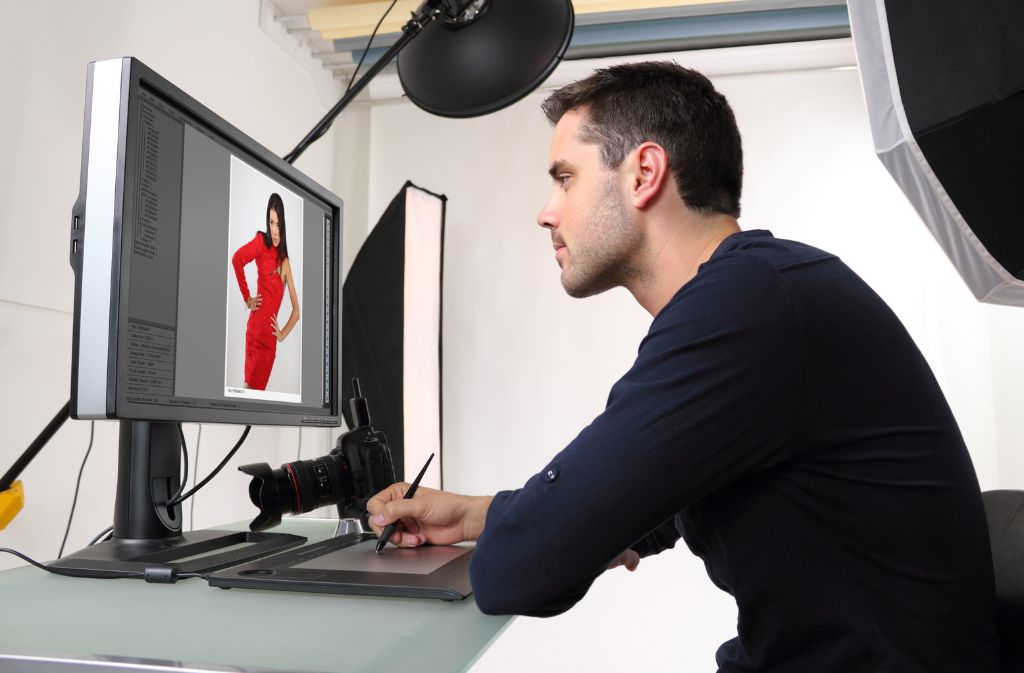
Fashion photography has always operated under high production pressure. A single campaign can involve hundreds of images that need to meet strict visual standards before they reach a retailer’s website, a print catalog, or a social feed. What has changed significantly over the past few years is not the standard itself, but the infrastructure required to meet it. Post-production teams that once worked through images manually are now managing larger volumes with tighter turnaround times, and the margin for inconsistency has narrowed considerably.
The challenge is not simply about making images look good. It is about making them look consistent across every product, every colorway, and every platform where they will appear. A blouse photographed on a Tuesday and a pair of trousers photographed the following week need to feel as though they belong to the same visual world. That kind of consistency does not happen in the camera. It happens in post-production, and it requires a disciplined, well-structured editing workflow to sustain.
This guide covers the core techniques, the tools currently in use across the industry, and the role that AI is now playing in reshaping how fashion image post-production is planned and executed.
What Fashion Image Editing Actually Involves
Fashion image editing is the process of refining, correcting, and standardizing photography after it leaves the studio. It covers a broad set of tasks that vary depending on the content type, the intended platform, and the brand’s visual requirements. For anyone working in fashion retail, e-commerce, or brand content, understanding this process in operational terms is more useful than treating it as a creative afterthought.
At its most practical level, fashion image editing includes background removal, color correction, shadow and highlight adjustment, skin retouching, garment smoothing, and image resizing for platform-specific output. Each of these tasks carries its own quality threshold, and each contributes to how a product is perceived by a consumer who cannot physically interact with it.
Background Removal and Replacement
Removing the background from a product or model image is one of the most common tasks in fashion post-production, and one of the most technically demanding. Clean edges around hair, fabric fringe, or layered garments require careful masking that cannot always be automated without a quality review. Errors at this stage create a visible disconnect when the product is placed against a clean white background or a lifestyle scene, and those errors are immediately noticeable to the end consumer.
Background replacement goes a step further, allowing teams to apply a consistent visual environment across an entire product range. This is particularly valuable for e-commerce catalogs where hundreds of SKUs need to appear on identical backgrounds without any variation in tone or shadow behavior. The consistency of the background directly influences how the product itself is perceived, because the eye reads contrast and context simultaneously.
Color Accuracy and Tone Matching
Color is where fashion image editing intersects most directly with commercial risk. A garment photographed under studio lighting may render differently than the same item photographed outdoors or on a different day with different equipment settings. When both images appear in the same catalog or on the same product page, the inconsistency signals poor quality control, even if the garment itself is identical.
Color grading in fashion post-production is not about applying a creative filter. It is about ensuring that a navy blue reads as navy blue across every image, every device, and every format. This requires calibrated monitor environments, standardized color profiles, and editing decisions made against a reference rather than by intuition alone. According to the International Color Consortium, consistent application of ICC color profiles across production workflows is one of the foundational steps in maintaining predictable output across different display environments.
Retouching Standards in Fashion Photography
Retouching is the area of fashion image editing that generates the most internal debate within production teams, particularly as consumer expectations shift and brand guidelines become more specific about what is and is not acceptable. The question is not whether retouching should happen, but what it should accomplish and where it should stop.
Garment and Texture Retouching
Garments frequently pick up wrinkles, lint, misaligned seams, or unwanted shadows during a shoot. Correcting these in post is a standard part of production, and it rarely raises any ethical questions. The goal is to present the product as it would appear when properly worn and styled, which is what the consumer needs to make a purchase decision. What matters operationally is that these corrections are applied uniformly. A shirt that has been smoothed in one image but left wrinkled in another creates a visual inconsistency that affects how the brand is read across the catalog.
Model and Skin Retouching
Skin retouching in fashion photography has become a regulated area in some markets, and brands operating across multiple regions need to be aware of the relevant guidelines in each. France and the United Kingdom, for example, have introduced disclosure requirements for images that have been digitally altered to change a model’s body shape. This does not prohibit retouching, but it does require transparency, and it shifts the operational responsibility to the post-production team to document what changes were made.
Within those boundaries, standard retouching includes skin tone evening, blemish removal, and lighting correction on the face and body. The risk in over-retouching is not just regulatory. It is commercial. Consumers who receive a product that does not match an overly processed image lose trust in the brand, and that trust is not easily rebuilt.
Workflow Design and Volume Management
The technical quality of individual edits means very little if the workflow itself is not structured to handle volume without introducing inconsistency. Fashion production cycles are fast, seasonal deadlines are rigid, and the number of images processed in a single campaign can run into the thousands. Without a documented, repeatable workflow, quality degrades as volume increases.
Batch Processing and Template-Based Editing
Batch processing allows editors to apply a standardized set of corrections across a group of images that share the same shooting conditions. This is most effective for product-on-white photography, where the background, lighting setup, and product category remain constant across a large number of shots. Templates reduce decision fatigue, shorten per-image processing time, and ensure that the output meets a consistent standard without requiring senior editors to review every single file.
The limitation of batch processing is that it assumes consistency in the input. If the raw images vary significantly in exposure, color temperature, or framing, automated batch corrections will produce uneven results that still require individual review. This is why the connection between photography and post-production workflows needs to be planned together rather than treated as separate stages.
Quality Control at Scale
Quality control in high-volume fashion image editing is a structural problem, not a judgment problem. When thousands of images are moving through a pipeline, individual editors cannot maintain consistent standards across every file without a defined review process. This typically involves tiered review stages, where automated checks flag obvious errors and human review focuses on edge cases, brand-sensitive content, and final approval before delivery.
Establishing clear acceptance criteria before production begins reduces the number of revision cycles and prevents disagreements about what constitutes a finished image. Brand teams that communicate visual standards in documented form, rather than relying on verbal direction or example images alone, tend to experience fewer post-production delays and lower rejection rates.
AI in Fashion Image Post-Production
Artificial intelligence has moved from an experimental tool to a standard component of fashion image editing workflows. The change has been gradual rather than sudden, and the most effective deployments tend to be those that use AI to handle repetitive, rules-based tasks while keeping human oversight in place for brand-sensitive decisions.
Automated Background Removal and Segmentation
AI-powered segmentation tools have significantly improved the speed and accuracy of background removal, particularly for complex edge cases involving hair, fur, sheer fabrics, and layered clothing. What previously required skilled manual masking can now be completed in seconds at a quality level that requires only light correction rather than full rework. For high-volume e-commerce operations, this reduction in per-image processing time has a direct impact on production capacity and cost.
Generative Editing and Virtual Try-On
Generative AI tools now allow post-production teams to recolor garments digitally, swap backgrounds, adjust lighting conditions, and even place clothing onto virtual models without a physical shoot. This capability is particularly relevant for brands managing large product ranges across multiple colorways, where photographing every variant is cost-prohibitive. Virtual fitting and model generation are also being used to increase visual diversity in catalogs without extending shoot schedules.
These tools introduce new quality considerations. Generative outputs need to be reviewed carefully for texture accuracy, color fidelity, and realistic drape behavior. A digitally recolored jacket that looks plausible on screen may not accurately represent how the garment behaves in the physical colorway, and that gap between image and product is a source of return risk for retailers.
Consistency Engines and Style Matching
One of the more operationally significant AI applications in fashion image editing is consistency enforcement. AI systems trained on a brand’s existing approved imagery can flag edits that fall outside established visual parameters, catching tone inconsistencies, color drift, and compositional deviations before they reach the delivery stage. This reduces reliance on human memory and individual judgment for maintaining brand standards across large teams and long production cycles.
Choosing the Right Editing Infrastructure
The tools available for fashion image editing range from desktop software used by individual retouchers to cloud-based platforms designed for enterprise-scale production pipelines. The right infrastructure depends on the volume of images being processed, the number of people involved in review and approval, and the level of integration required with existing DAM systems, e-commerce platforms, and agency partners.
Smaller brands and independent photographers often work within established software environments that handle the full post-production process in a single application. Larger operations typically require a more modular approach, where specialist tools handle specific tasks and a central asset management system governs file movement and version control. Neither approach is inherently superior. What matters is that the chosen infrastructure matches the actual production cadence and does not introduce bottlenecks at high-volume points in the cycle.
Conclusion
Fashion image editing in 2026 is a production discipline with real commercial consequences. It affects how products are perceived, how efficiently campaigns are delivered, and how consistently a brand presents itself across every surface where its imagery appears. The arrival of AI tools has changed the economics of certain tasks and expanded what is technically possible, but it has not changed the underlying requirement for structured workflows, clear standards, and disciplined quality control.
For teams managing fashion image post-production, the priority should be building repeatable processes before adopting new tools, and understanding what a tool is actually solving before integrating it into an existing pipeline. The best outcomes come from workflows where technology handles volume and human judgment handles nuance. That balance is not automatic. It requires deliberate design, and it requires ongoing review as both production demands and available tools continue to evolve.
For more, visit Pure Magazine