There is a moment that surprises many people. They reach for their glasses, blink a few times, and realise the words on the page still look blurry. It is easy to brush it off as just getting older, something people joke about when they start holding menus farther away. But sometimes, that blur is a sign that something deeper is affecting your eye health, which is why some people choose advanced full body scans to detect potential health risks before symptoms become more serious.
Vision changes are a normal part of life, but they are often early signs that something deeper is happening. The eyes can reflect changes in overall health long before other symptoms show up. Knowing when blurred vision is more than tired or dry eyes can make a real difference over time.
Among the many causes of vision problems, one condition stands out for its subtle start and long term effects, AMD Eye Condition. It usually does not cause pain or obvious symptoms, yet over time it can slowly affect the central vision that people depend on every day.
Hidden Changes Behind the Blur
The early signs of vision loss are not always obvious. Blurry vision may come and go, especially when someone is tired or in dim light. But behind these small changes, the eye is working harder than it should. The nerves, blood vessels, and light sensing cells may slowly begin to struggle.
The Tiny Spot That Does So Much
At the centre of the retina is the macula, a very small area with a big job. It helps with clear vision, like reading small words, recognising faces, or noticing fine details in pictures. When the macula starts to weaken, simple daily tasks can become frustrating. Straight lines may look bent, and colours may lose their brightness.
As people get older, small deposits can build up under the retina, which affects how light signals reach the brain. This change happens slowly, so many people do not notice it right away. That is why spotting the problem early matters. When found before serious damage occurs, simple lifestyle changes and medical care can help slow things down.
When Light Becomes Less Clear
Another reason vision becomes blurry is poor blood flow to the retina. The eye relies on tiny blood vessels to bring oxygen and nutrients. When these vessels weaken or become blocked, the macula does not get the support it needs. Over time, cells begin to break down, which can lead to hazy or cloudy spots in the centre of vision.
This is not only caused by getting older. Habits like smoking, eating poorly, or spending too much time in strong sunlight can speed up the damage. Simple steps such as wearing sunglasses outdoors, eating more leafy green vegetables, and avoiding tobacco can make a real difference in keeping vision healthier for longer.
Why Ignoring the Blur Isn’t Harmless
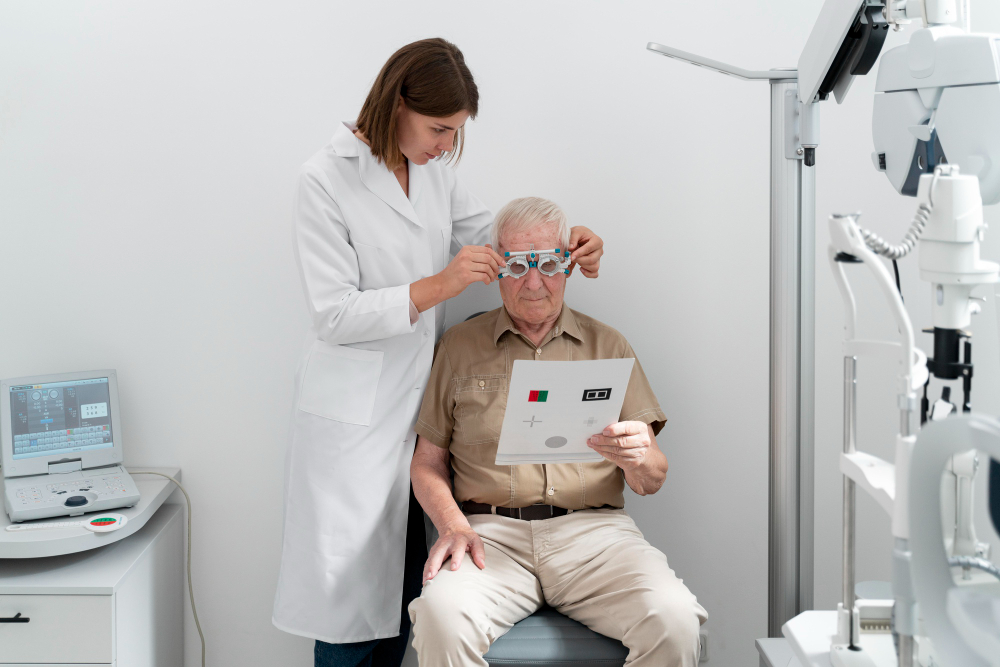
Many adults delay eye checks until vision problems feel serious, but early screening can spot issues long before they become obvious. Eye care professionals use modern tools to find tiny changes in the retina, sometimes years before vision is clearly affected.
Even small signs, like slight distortion or colours looking less bright, are worth checking. When these changes are noticed early, there are more options to protect vision, including treatment or simple lifestyle changes. Protecting eyesight starts with awareness and acting early.
More Than Just an Inconvenience
Blurry vision does not only affect eyesight. It can influence confidence, independence, and daily comfort. When reading becomes harder or recognizing faces feels uncertain, a person may quietly lose confidence. Understanding what is happening and knowing help is available can restore a sense of control and reassurance.
The Role of Modern Eye Care
Today’s technology lets eye specialists look deep inside the eye in just seconds. Regular eye scans can spot early signs of damage long before vision feels different. For conditions like macular degeneration, these checks are especially important.
Treatment depends on how advanced the condition is. Options may include diet changes, supplements, or targeted injections that help protect the blood vessels in the eye. The goal is not just to slow damage, but to help people continue enjoying everyday moments, like reading comfortably, driving safely, or seeing loved ones clearly.
Daily Choices That Protect Vision
While not all causes of blurry vision can be prevented, small daily habits can make a real difference over time. Eating foods rich in omega 3 fatty acids, colourful fruits, and leafy greens helps support the health of the retina. Keeping blood pressure in a healthy range and staying active also improves blood flow to the eyes.
Protecting the eyes from strong sunlight by wearing sunglasses or a hat can reduce stress on the macula. Just as important is making regular eye checks part of yearly health care, so small changes can be noticed before they become serious.
Seeing the Bigger Picture
Blurry vision is often brushed off as a normal part of getting older, but sometimes it is a sign worth paying attention to. Whether it comes from tired eyes, dryness, or a condition like age related macular degeneration, any lasting change in vision deserves care.
Vision connects people to the world in powerful ways, through reading, faces, art, and shared moments. Listening to early warning signs, taking action early, and caring for the eyes every day can help keep that connection strong for many years ahead.
For more, visit Pure Magazine