


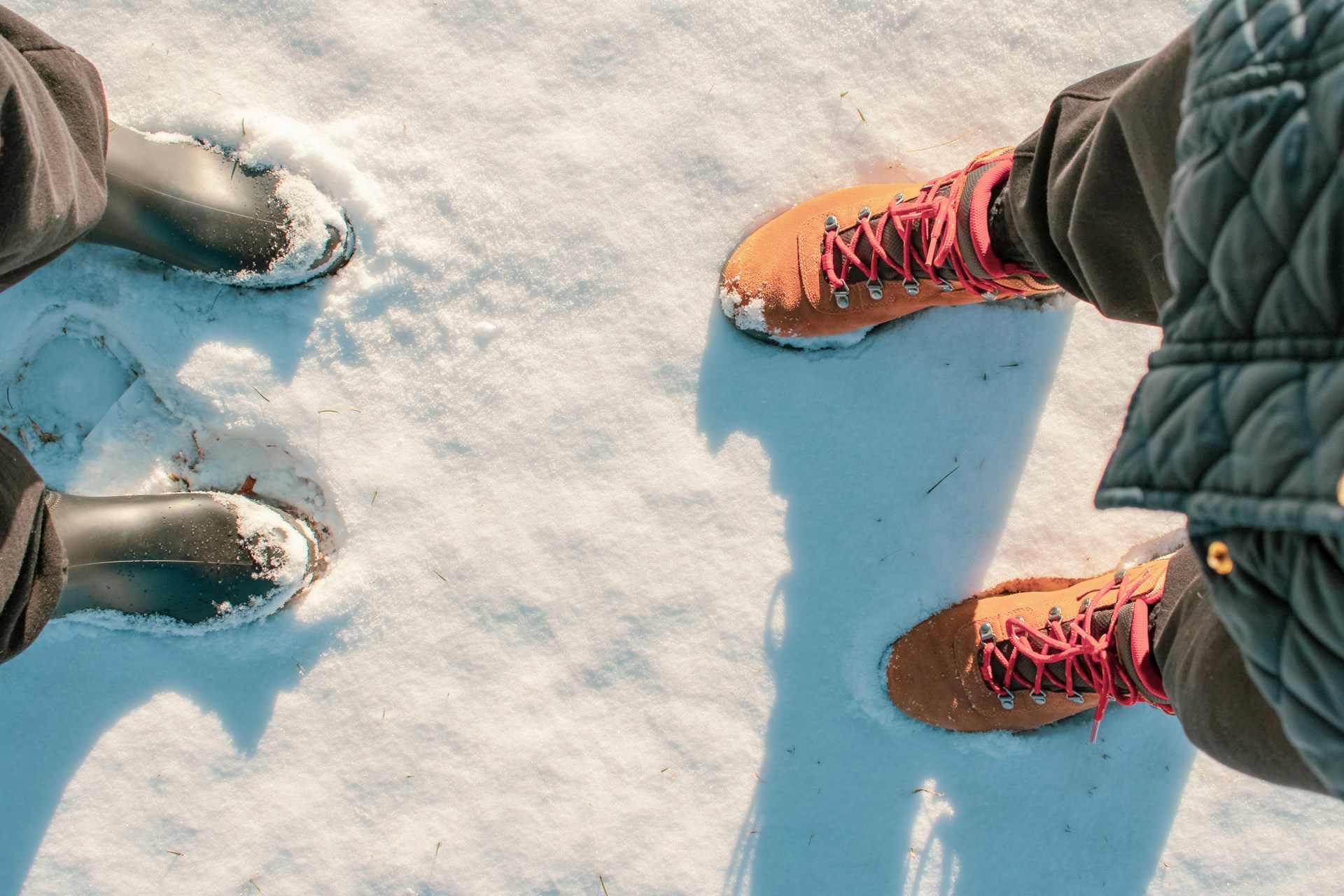
Walking comfort can disappear just as quickly as temperatures fall during winter. The combination of the cold ground, the wet, muddy paths and the cold air will put a whole new set of challenges on your feet compared to any other time of the year. As a result, it becomes essential to choose the right footwear for the cold weather rather than just an option. Cold-weather walking boots are designed to meet the demands of your feet while walking in the cold. They provide warmth, traction, and structure to keep your foot stable and comfortable for every step you take. So, understand how insulation, grip, and fit all work together in these shoes so that you can enjoyably walk in winter.
Why Cold Weather Walking Demands Specialised Boots
When it gets cold outside, cold air will affect the body’s temperature, especially the feet and the lower extremities. As the temperature drops, the muscles become stiffer, your balance becomes worse, and fatigue will set in more quickly. In addition, the cold and wet ground, along with frost, will increase the chance of slipping. Standard walking boots do not provide the extra protection necessary for prolonged outdoor exposure in the winter. Therefore, you need a good pair of cold-weather walking boots with a proper amount of warmth, stability, and moisture control for walking on cold, wet and uneven surfaces. A well-designed pair of cold-weather boots will provide the necessary support to your feet and legs so that you can continue to maintain the same level of activity as you had prior to the temperature dropping.
Understanding Insulation: Staying Warm Without Overheating
Insulation is critical to keep your feet warm when you are in cold air or on frozen ground. However, you must also maintain a proper balance of warmth while you are moving so you do not overheat. Most cold-weather boots are made of synthetic material designed to trap heat and maintain the correct amount of heat within the boot without overheating you. Also, the amount of energy an individual exerts when walking has a huge impact on internal warming as well.
Grip and Outsole Design: Staying Stable on Cold Terrain
Walking on ice, wet leaves, compacted snow, and cold rocks demands reliable traction in the winter. To accomplish this, outsoles on cold-weather boots use rubber compounds that retain their flexibility even at low temperatures. The pliable nature of these materials enhances ground contact and maintains grip on slick surfaces. Moreover, their deeper tread patterns provide enough biting action for soft snow and muddy hiking trails. It is also important to have heel braking zones for maximum control while going downhill.
Fit Matters More in Cold Weather
Cold weather can cause our feet to swell or create a feeling of a tighter fit in the shoe. Similarly, the use of thicker socks changes the overall feel of boots over long distances. Providing ample room in the toe box for foot movement helps to reduce pressure points and numbness in the toes due to the cold. Proper blood flow provides natural distribution of heat throughout your entire foot, while providing additional ankle support enhances stability during walking. This enhances the overall feel of your cold-weather boots.
Materials and Construction Built for Winter Conditions
In order to successfully operate in winter weather, these types of footwear were developed with durable materials to provide a degree of durability against moisture (rain and snow), as well as from abrasion (rubbing against surfaces). Their waterproof membrane material serves as a barrier for water while allowing inside moisture vapour to escape. Upper parts of the shoe have been manufactured with strong textile materials to protect from both wind and snow. To help provide additional protection on mountainous hiking trails, most cold-weather footwear has additional reinforcement at the toe section and along the perimeter of the outer soles.
Matching Boots to Your Winter Walking Style
Different types of footwear are designed to be worn while doing different types of cold-weather outdoor activities. Urban environments typically require less aggressive traction than mountainous paths or wild areas with rugged terrain. Mountain areas typically require more insulation and rugged soles than what would typically be needed in most urban environments. Understanding the environment in which you walk can help streamline the search for the right pair of boots to meet your cold-weather needs. There are not many pairs of cold-weather walking boots that can fit all of your cold-weather boot needs.
Winter Performance You Can Trust
If insulation, fit, and traction are combined properly, cold-weather walking will be safer and more enjoyable. Walking in cold-weather is made easier and safer with thoughtful footwear design. Lowa footwears are manufactured with precise craftsmanship, high-quality materials, and state-of-the-art sole technology. They create footwear that provides the balance among insulation, waterproofing and supportive fit. They will consistently provide you with the type of performance you expect from your ideal cold-weather footwear collection.
For more, visit Pure Magazine