


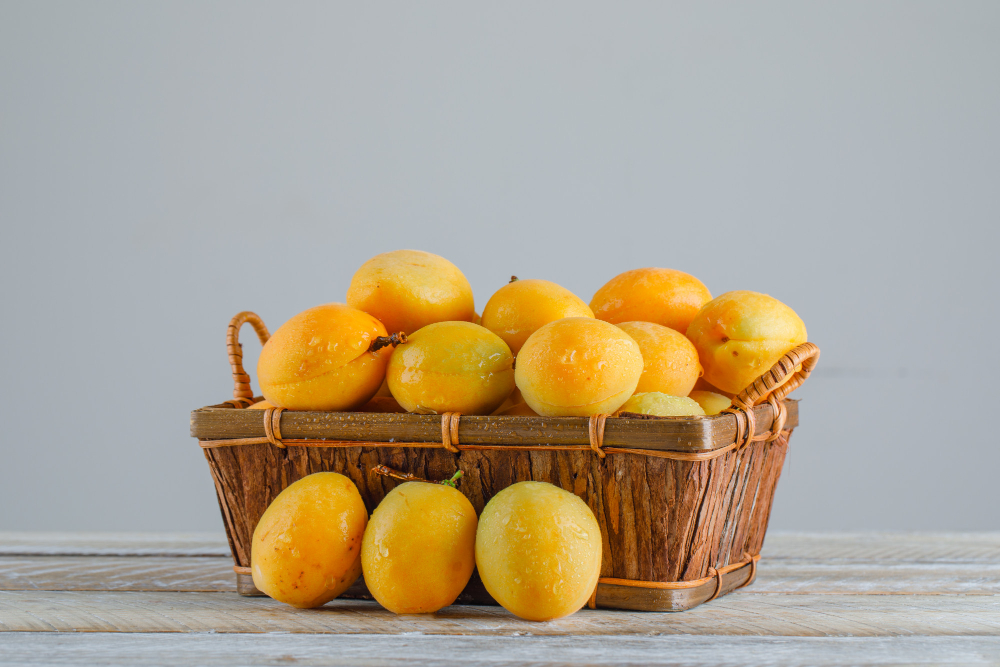
Indian mangoes are known around the world for their rich taste and strong aroma. They are often called the most flavourful mangoes available. What was once a fruit enjoyed mainly in India is now loved far beyond its borders. India exports around 120,000 metric tonnes of mangoes every year to global markets. The United Kingdom is now one of the most important destinations for Indian mangoes.
The journey of Indian mangoes from the sunny orchards to British homes is dictated by flavour, tradition and evolving food habits. These mangoes have built up a cult following in the UK over time. This blog is about how Indian mangoes conquered British hearts.
A Fruit Deeply Rooted in Indian Culture
In India, mangoes are not just a summer fruit. They hold deep cultural meaning. They symbolise prosperity, happiness and togetherness. Mango leaves are used in festivals and religious ceremonies. Ripe mangoes are shared with friends and family during the hottest months of the year.
For many Indians, mangoes bring back childhood memories. There are memories of climbing trees, slicing fruit by hand, and enjoying mangoes straight from the skin. These emotions travel with the fruit.
Flavour That Stands Apart
Indian mangoes are celebrated for their unique balance of sweetness, aroma, and texture. Unlike many commercial mangoes grown mainly for long shelf life, Indian mangoes focus on taste. Their flesh is usually soft and fibreless.
The aroma is inviting, and the sweetness feels natural. British consumers, who are used to milder fruit flavours, often find Indian mangoes richer and more satisfying.
Several Indian mango varieties are exported to the UK. Each has its own loyal following. Among them, Alphonso mangoes are the most famous. These fruits first reached England from Mumbai in 1953. Its smooth texture and intense flavour earned it a premium reputation over the years. The market value of Alphonso mangoes reached nearly £7 million by 2022.
Kesar and Dasheri mangoes are two other popular variants exported to the UK.
Changing British Food Preferences
British eating patterns have changed dramatically in the past two decades. Indian cuisine has been a significant influence in this shift.
As Indian food became more common, the ingredients behind the dishes also gained attention. Mango-based desserts, chutneys, drinks, and sauces became familiar. With time, people wanted to try the fruit itself. This curiosity helped Indian mangoes move from speciality stores into wider circulation.
Improved Supply Chains and Quality Control
Another key reason for the rise of Indian mangoes in the UK is better export systems. Harvesting methods have improved. Fruits are picked at the right stage. Storage and transportation are now better regulated. Maintaining temperature is also a priority.
All mangoes go through hard quality control to ensure they meet UK import criteria. This keeps flavours in and reduces waste. These improvements help retain flavours and prevent waste. Retailers feel more confident stocking Indian mangoes. Customers trust the quality they get. That trust has sown long-term demand.
Influence of the Indian Diaspora
The Indian expat community has been instrumental in familiarising the UK with mangoes from India. In many families, mangoes are a flavour of home. It’s an annual ritual to purchase them. This consistent demand led retailers to import authentic varieties.
These mangoes were then introduced to friends, neighbours and colleagues over the years. Word was spread through shared meals and recommendations. Gradually, Indian mangoes spread outside the diaspora and into the broader British market.
Social Media and Food Culture
Social media has also helped boost popularity. Bright yellow mango slices, thick mango shakes, and traditional desserts appear often online. These visuals are eye-catching and inviting.
Short videos and recipes show how rich and versatile mangoes can be. Many first-time buyers are influenced by what they see online. This digital exposure has helped Indian mangoes shift from niche produce to a seasonal favourite.
Availability of Indian Mangoes in the UK
You can find different varieties of Indian mangoes in the UK now during the Mango season. They have gained popularity, and many supermarkets now stock them in response to the growing demand. You can also buy them from different online stores.
Online availability offers clear benefits. Consumers have more types to choose from. Home delivery adds convenience. Seasonal stock is usually easier to get hold of. Comprehensive product details also enable buyers to make an informed decision.
Beyond fresh fruit, retailers sell products like canned mango pulp. This allows people to enjoy the taste of Indian mangoes in desserts and drinks even after the season ends.
Conclusion
Indian mangoes have become a favourite in the UK through a blend of flavour, culture, and accessibility. Their rich taste, emotional value, and seasonal charm resonate with modern British consumers. Better supply chains and changing food habits have supported this growth. Today, Indian mangoes are more than imported fruit. They are a seasonal celebration, and their journey shows how tradition and taste can cross borders and truly find a home.
For more, visit Pure Magazine