


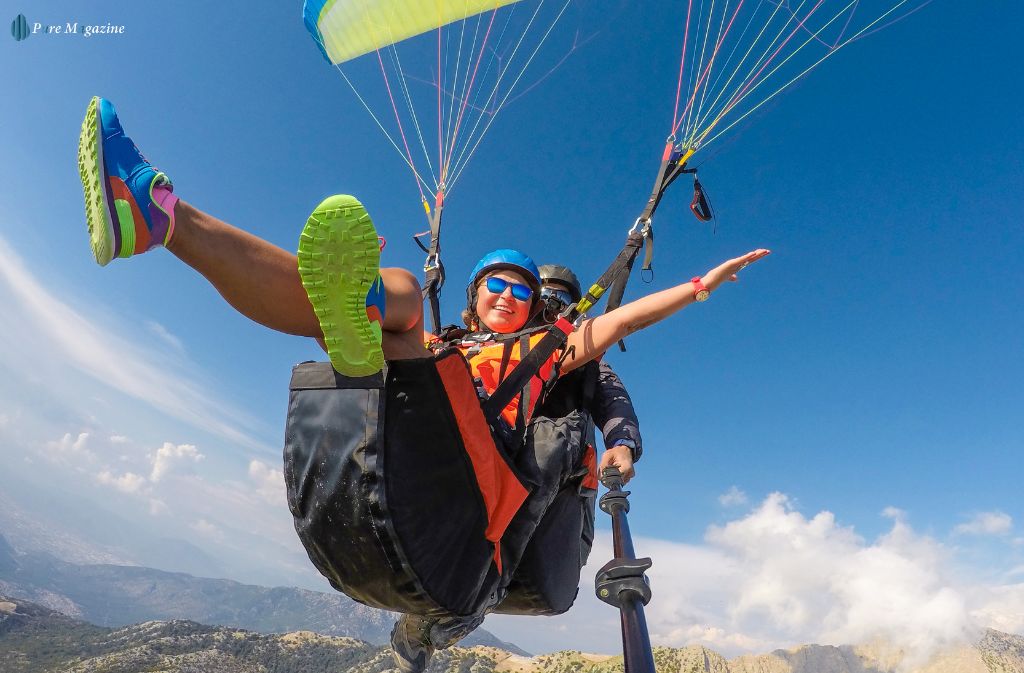
Imagine floating above hills and rivers with the wind in your face. No need for a big airport or fancy license. A paratrike lets you chase that feeling right from a field. This powered paratrike setup combines a parachute wing with a small engine on wheels. It differs from regular paragliding because the trike frame gives you steady takeoff power. If you dream of flight, this guide covers everything from basics to tips for safe rides. You’ll learn why paratrikes open up the sky for beginners and pros alike.
Understanding the Paratrike: Anatomy and Function
Paratrike blend simple design with smart engineering. They make powered paragliding easy and fun. Let’s break down what makes a paratrike work.
What is a Paratrike? Core Components Explained
A paratrike starts with the wing. This parachute-like fabric catches air to lift you up. It folds small for travel but spreads wide in flight, often 20 to 30 feet across.
Next comes the harness and frame. The harness straps you in tight. The frame, like a lightweight cart, holds the seat and controls. Single-seat models suit solo pilots. Tandem ones let you take a friend along, with extra space for two. The engine unit powers it all. Mounted on the frame, it pushes you forward. Wheels help on the ground, like a mini go-kart that flies.
Engine Power and Propulsion Systems
Engines drive the paratrike forward. Most use two-stroke motors for quick starts. Four-stroke ones run smoother and last longer, though they weigh more. Propellers vary, too. A two-blade setup spins fast for light loads. Three blades add thrust for heavier pilots or wind. Power matters for safety. Look for engines around 15 to 25 horsepower. That gives a good weight ratio, say 1 hp per 20 pounds. It ensures you climb without strain.
Safety Features Integrated into Modern Paratrikes
Good paratrikes include built-in protections. A roll cage wraps the frame to shield you in rough terrain. It bends but doesn’t break easily. Landing gear helps too. Big wheels absorb bumps on grass or dirt. Some have brakes for quick stops. Don’t forget the kill switch. Pull it to cut the engine fast in emergencies. These parts keep flights calm and secure.
Choosing Your Paratrike: Selection Criteria and Budgeting
Picking the right paratrike fits your style and wallet. Think about how often you’ll fly and where. This helps avoid buyer’s regret.
New vs. Used Paratrike Acquisition
New paratrikes come with warranties. They shine bright from the factory. Expect to pay $5,000 to $10,000 for a solid starter model. Used ones save cash, often half the price. Check the frame for cracks first. Look at engine hours; under 100 is best. Test the wing for tears or weak lines. Inspect everything hands-on. Take a pro mechanic if you can. That way, you spot hidden issues early.
Matching the Trike to Your Flying Goals
Recreational paratrikes focus on short joy rides. They have comfy seats and basic power for calm days. For cross-country trips, pick long-range models. Brands like Miniplane offer tanks that hold more fuel. You can cover 50 miles easily. High-performance ones handle tricks and speed. Look at setups from BlackHawk for agile turns. Match it to your skill level.
Essential Budgeting: Beyond the Purchase Price
The sticker price isn’t all. Insurance runs $200 a year for basic coverage. Fuel? A gallon lasts hours, costing pennies per flight. Maintenance adds up. Change oil every 25 hours. Wings need checks yearly, around $100. Storage matters too. A trailer costs $1,000 upfront. Factor in club fees if you join one.
Mastering Flight: Training and Certification for Paratrike Pilots
Flight skills come from practice, not guesswork. Proper training keeps you safe up there. Start with experts who know the ropes.
Necessary Pilot Training and Licensing Requirements
In the US, the FAA sets rules for powered paragliding. You need a sport pilot certificate for most paratriking. It takes about 20 hours of lessons. International spots have similar needs. Check your local aviation authority. Many require a medical check too.
Pick a school with certified instructors. Look for ones near open fields. They should use modern gear and teach weather basics. Aim for hands-on sessions, not just books.
Pre-Flight Checks: The Non-Negotiable Routine
Always start with a walk-around. Check fuel levels first; fill to three-quarters for safety. Look at the wing lines for knots or frays. Test controls next. Pull the brakes to see a smooth response. Start the engine dry—no prop spin yet. Listen for odd noises.
Secure your helmet and gear. Double-check weather apps for wind under 10 mph. This routine takes five minutes but saves headaches.
- Inspect the wing for damage.
- Verify engine oil and fuel.
- Test all controls and switches.
- Clear the area behind the prop.
Takeoff and Landing Techniques Specific to Trikes
Paratriking takeoff beats foot launches. Roll forward slowly, then add throttle. You lift off at 15 mph, much less than gliders. In the wind, face into it for the best climb. Keep your hands light on the controls. Practice in open spots first.
Landings need care. Flare the wing early to slow down. Wheels touch gently; steer with feet. Gusty days? Circle high and wait for calm. Trikes forgive small errors better than bare harnesses.
The Paratrike Community and Lifestyle
Flying solo is great, but the paratrike world buzzes with friends. Clubs turn hobbies into bonds. You gain tips and stories that stick.
Connecting with Local and National Paratrike Clubs
Join a club for quick advice. Local groups meet weekly for fly-ins. They share spots and watch each other’s backs. National ones host big events. Think gatherings with 100 pilots. Find them online or at airports. Seek mentors early. An experienced flyer shows you safe habits. It’s like having a flying buddy from day one.
Recommended Gear Upgrades for Enhanced Experience
Start basic, then add fun stuff. A radio lets you chat mid-air. Handheld models cost $150 and link to others. GPS units track routes. Models like Garmin show altitude and maps. Great for new paths.
Luggage racks hold snacks or cameras. They mount easily on the frame. These tweaks make long flights comfy.
- Radio for team talks.
- GPS for navigation.
- Racks for extra gear.
- Better seats for all-day rides.
Responsible Flying: Airspace Awareness and Etiquette
Know your sky limits. Apps like ForeFlight mark no-fly zones. Stay below 400 feet near people. Talk to the planes if busy. Use standard calls on the radio. Keep noise low; throttle back over homes. Respect land owners. Ask before landing. Clean up sites. This keeps doors open for all pilots.
Conclusion: Launch Your Paratrike Adventure
Paratrikes bring flight to everyday folks. They’re affordable, portable, and packed with excitement. From parts to practice, you’ve got the full picture now. No huge runways needed—just open space and a bit of wind. Training builds confidence fast. Compared to planes, paratriking feels free and close to nature.
Ready to rise? Find a local school today. Book that first lesson. Grab your paratrike dreams and go fly. The sky waits.
For more, visit Pure Magazine